Pendant Necklaces Return as Solo Statement Pieces, Fueled by Maximalism
Pendant necklaces are stepping out of the layering pile and back into the spotlight, with lockets, charms and talismans turning outfits into one-point statements.
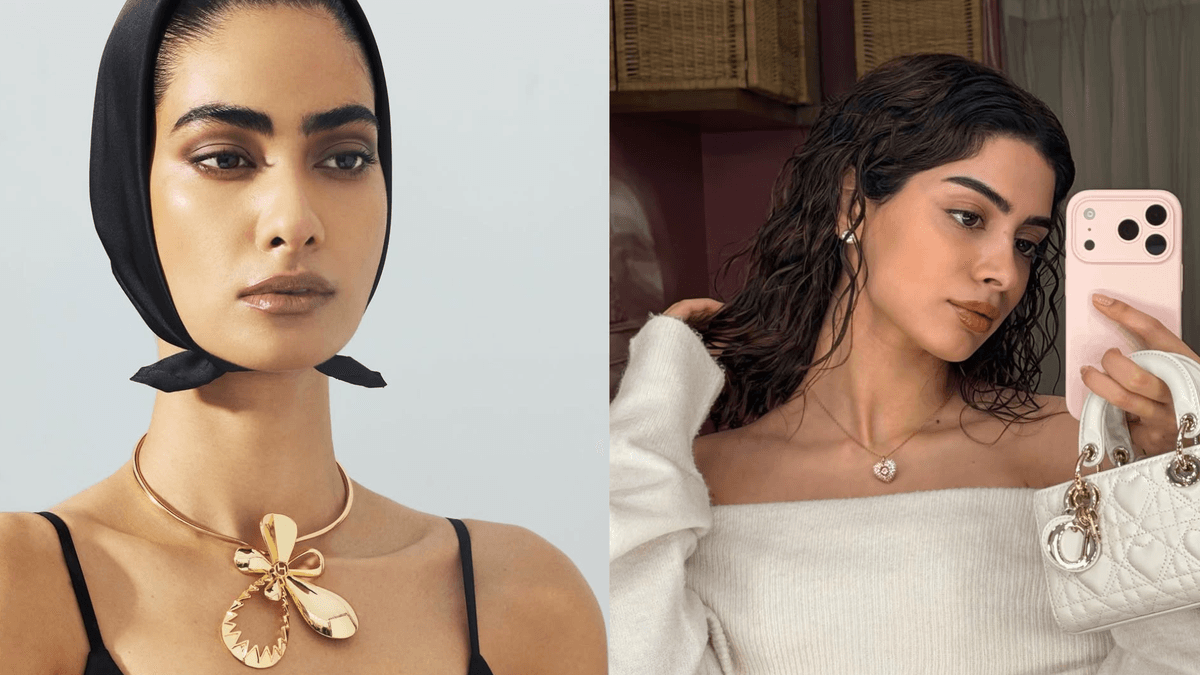
The pendant is back in charge
After years of chain-stacking and metal-mixing, the pendant necklace has returned with a clearer sense of purpose: one piece, one focal point, no distraction. The shift feels less like a revival of a dainty accessory and more like a reset in how jewelry is worn, with larger, more tactile pendants reclaiming the center of an outfit. Lockets, sculptural charms and object-like designs are doing the work that layered chains once did, only with more conviction.
That change matters because it reflects a broader mood in fashion. The pendant comeback is tied to maximalism, nostalgia and a craving for jewelry that reads as personal rather than purely decorative. Instead of piling on strands to build interest, the new instinct is to let a single piece carry the look and the story.
Why this silhouette feels different now
The strongest pendants now are not delicate afterthoughts. They are chunky heart lockets, oversized spirals, talisman-like charms and even resin-dipped orchids preserved mid-bloom, pieces that feel as if they were meant to be noticed before the rest of the outfit has even registered. ELLE India captured the shift well: these pendants are designed to sit at the center, not to drift quietly in the background.
That object-like quality is the key. A pendant with volume, texture or a sentimental shape behaves almost like a brooch worn around the neck, pulling the eye to the sternum and giving a look a point of gravity. In a season where so much styling has leaned into abundance, the single pendant offers a cleaner kind of drama.
Runway proof and the rise of the “power pendant”
The fashion signal arrived on the runway first. JCK identified statement pendants as a fall 2024 trend seen at Bottega Veneta, Christian Dior, Tom Ford, Rick Owens and Ann Demeulemeester, a spread that tells you this is not a narrow niche but a silhouette moving across very different fashion vocabularies. At one end, the pendant reads polished and house-driven; at the other, it lands with a more raw, avant-garde edge.
That breadth is why the category has such staying power. It is not locked to one aesthetic, and it can tilt romantic, gothic, bohemian or sensual depending on scale and material. JCK has described the trend as carrying into 2025, and the market now reads it less as a novelty than as a renewed category with room to evolve.
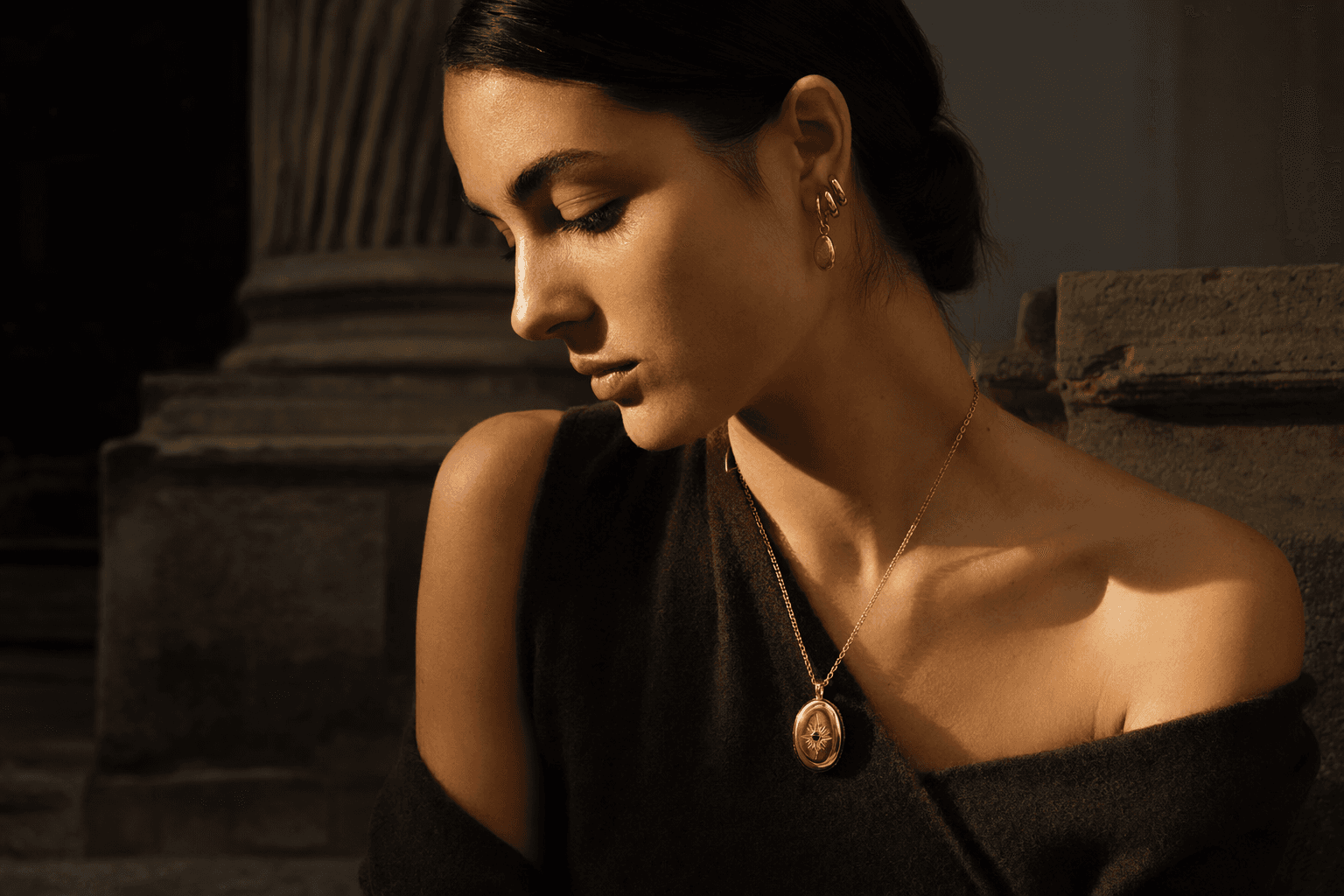
The bohemian thread and the return of long lines
Long pendant necklaces are also riding a broader comeback of bohemian style. That matters because the boho mood changes the whole proportion of the necklace: it invites length, movement and a more relaxed line against the body. The result is a pendant that feels less precious in the stiff, formal sense and more fluid, more lived-in, more anchored to the wearer’s movement.
Long leather or silk cords are especially relevant here. Rising gold prices have made the economics of jewelry design more visible, and those cords reduce the amount of gold used while still allowing the pendant itself to carry weight and presence. In other words, the trend is not just aesthetic. It is also a smart material response to a changing market.
Customization is the commercial engine
At Las Vegas Jewelry Week 2025, the styling direction was clear: necklaces were polished enough to wear alone, but many were shown with one or more charms. That small detail says a lot about where the category is headed. The pendant is not simply returning as a finished object; it is becoming a platform for customization.
That shift lines up neatly with what Gen Z wants from jewelry. JCK has linked personalization to pendant and charm necklaces, and that preference makes intuitive sense in a market where consumers want pieces that signal identity, memory or mood. A pendant can be bought as a single statement, then adapted with charms or swapped onto different cords, turning one purchase into a more flexible wardrobe anchor.
Nostalgia, but not the obvious kind
There is an early-aughts echo in all of this, and that is part of the appeal. Long pendant necklaces carry the memory of a time when jewelry was worn with a looser, more expressive attitude, often over simple tanks, bias dresses or low V-necklines. But the current version is less cute than its predecessor and more assertive, with heavier forms and a stronger editorial edge.
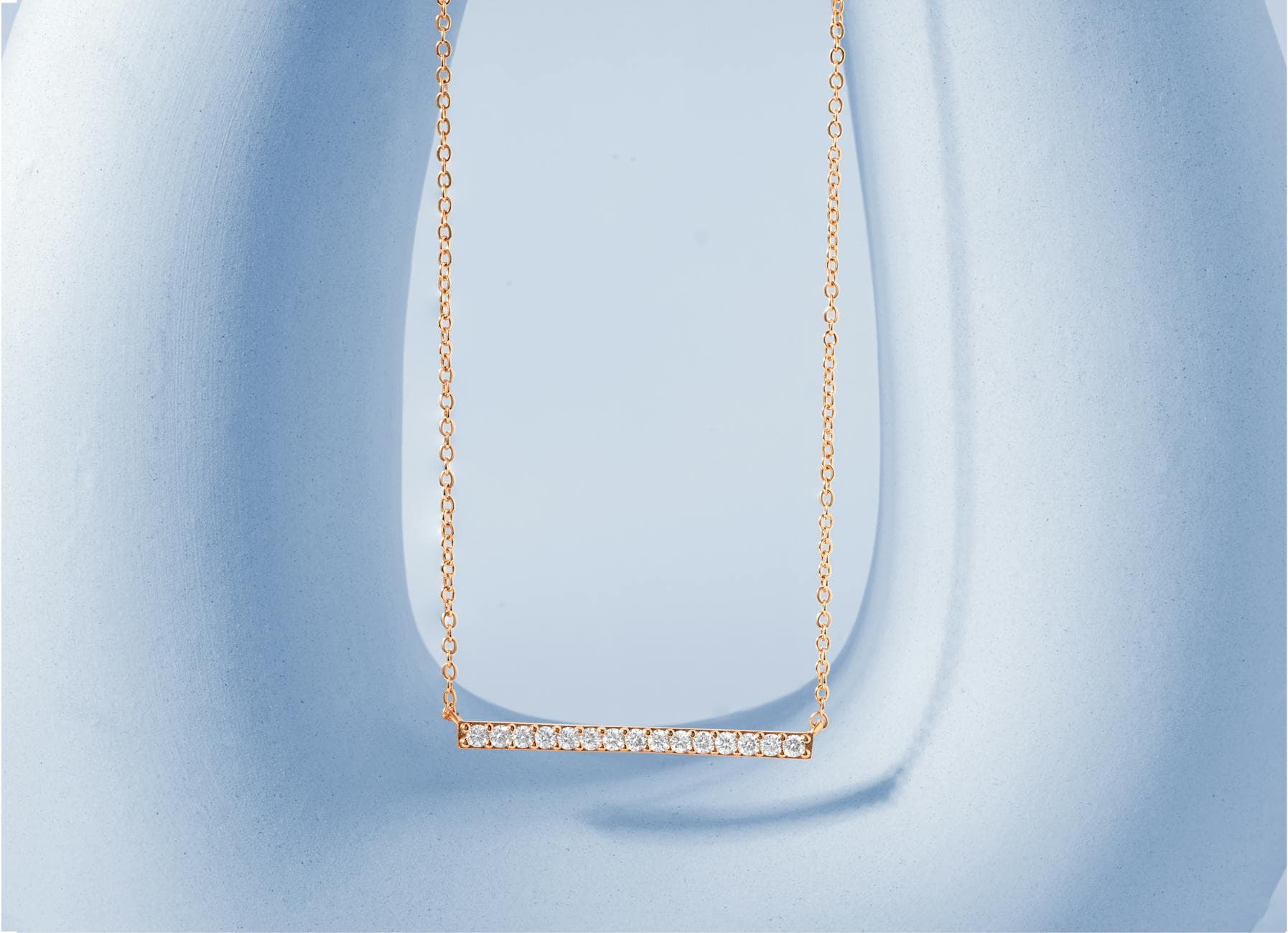
That is why the comeback feels aligned with fashion’s larger nostalgia cycle rather than with pure retro styling. It borrows the silhouette, then sharpens it. The result is a pendant that feels familiar without looking dated, especially when it is rendered as a locket, a sculptural charm or a token-like object with emotional charge.
How to wear the new pendant
The easiest way to wear the trend is to let it breathe. A single pendant works best when the neckline around it is relatively calm, whether that means a crisp shirt left slightly open, a fine knit, a simple dress or a plain tank that gives the piece room to speak. The point is contrast: if the pendant is bold, the rest of the look should make space for it.
- Choose scale over delicacy. The current pendant reads best when it is visible from a distance.
- Favor texture. Locket finishes, carved surfaces, resin, metal and cord all add dimension.
- Let sentiment lead. The most compelling pendants feel like objects with memory, not just decoration.
- Keep the neckline clean. One statement is enough when the necklace is the anchor.
A few styling cues define the moment:
The bigger industry signal
WGSN says it provides trend forecasting to more than 6,500 brands worldwide, which is part of why this kind of shift matters beyond the runway. When a pendant becomes the new focal point, it influences how brands design, how retailers merchandise and how consumers think about everyday dressing. Jewelry stops being an afterthought and becomes the punctuation mark of the outfit.
That is the real force behind the pendant’s return. It offers maximalism without clutter, nostalgia without costume and personalization without fuss. In a wardrobe crowded with layered signals, the single pendant feels refreshingly decisive, a small object with enough presence to change the mood of everything around it.
This article was produced by Prism’s automated news system from verified source data, official records, and press releases, then run through automated quality and moderation checks before publishing. The system is built and supervised by the people who set the standards it runs under. Read our full AI policy.
Did this article answer your question?


