Positive Luxury Awards 2026 Fashion Shortlist Champions Sustainability and Transparency
Positive Luxury named four fashion brands including Artknit Studios, Everlane, Holding Moda and MCM to its 2026 sustainability shortlist, with winners revealed April 23.
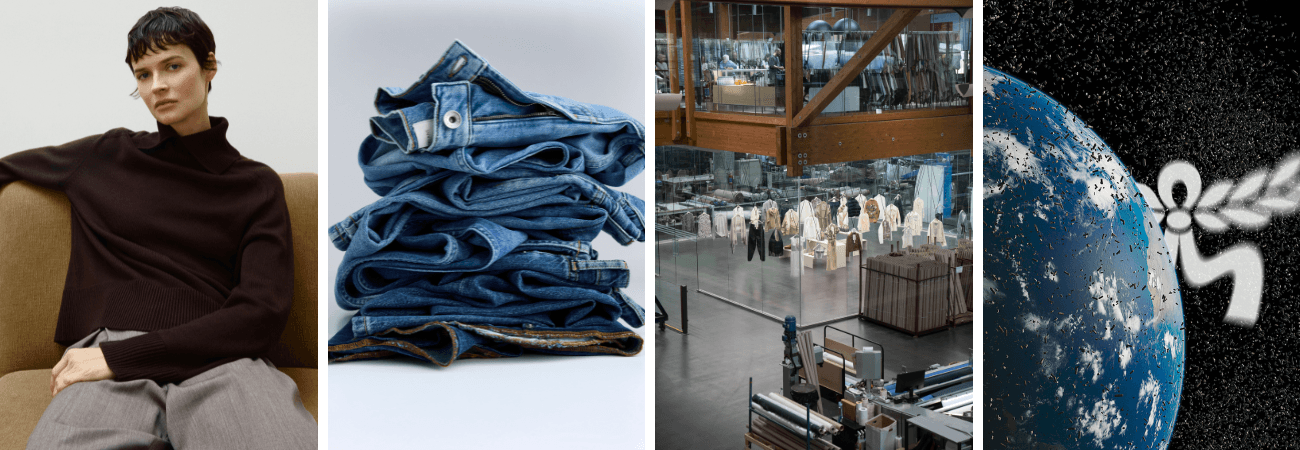
Four fashion brands with genuinely divergent approaches to responsible business now share one shortlist. Positive Luxury revealed its Fashion Business of the Year nominees for the 2026 Positive Luxury Awards on March 31, placing Artknit Studios, Everlane, Holding Moda, and MCM under the same spotlight. Winners will be announced on April 23, judged by an independent panel of academics, thought-leaders, and industry executives.
What separates this shortlist from the usual award-season noise is the range of models it validates. Artknit Studios, the B Corp-certified Italian knitwear house, anchors one end of the spectrum: small, craft-focused, vertically traceable. The brand described its inclusion as "a meaningful recognition of our commitment to creating timeless knitwear using natural fibers, Italian craftsmanship, and a responsible production model," adding that for Artknit, "sustainability is not a trend but a long-term commitment to quality, transparency, and durability." The studio also picked up a second nomination, appearing on the Responsible Luxury Business of the Year shortlist alongside Bamford and Monica Vinader.
At the other end sits MCM, the Munich-born leather goods house founded in 1976, whose global reach and Bauhaus-inflected aesthetic place it in a different commercial universe entirely. The brand's Vision 2030 strategy bets on circularity and climate-conscious sourcing as the architecture for its so-called "Smart Luxury" positioning — a signal that heritage houses with significant product volume are now treating ESG targets as strategic rather than supplementary.
Everlane, which has built its brand identity around radical price and supply chain transparency since its founding, frames its case through three sustainability pillars: Keep Earth Clean, Keep Earth Cool, and Do Right by People. The San Francisco-based brand's emphasis on lower-impact materials and labor equity has long made it a reference point for accessible sustainable dressing, and a Positive Luxury nomination adds institutional weight to that positioning.
Perhaps the most structurally interesting nominee is Holding Moda, the B2B Italian manufacturing group whose portfolio of companies operates behind the scenes of the luxury supply chain. HModa's case for recognition rests not on consumer-facing storytelling but on process: supply chain traceability, cross-group ESG alignment, and turning regulatory pressure into what the company calls "a driver of industrial transformation." "Aligning technologies and processes is essential to make ESG goals measurable and actionable," the company said. "True impact, however, comes from engaging all corporate functions and companies — only then does sustainability become a shared value and a lever for long-term competitiveness."
Positive Luxury CEO Amy Nelson-Bennett framed the 2026 cohort in terms of accountability over aspiration: "Authentic engagement and accountability can drive real change and commercial benefit." The Fashion Business of the Year category specifically requires demonstrated ESG progress across the previous twelve months, not long-range targets, which is what gives this shortlist its credibility as a consumer signal.
With verification-based awards programs gaining influence as a filter against greenwashing, the April 23 announcement will be worth watching. The winner will say something not just about one brand, but about which model of sustainable fashion — artisan or industrial, B2C or B2B — the industry currently considers most replicable.
This article was produced by Prism’s automated news system from verified source data, official records, and press releases, then run through automated quality and moderation checks before publishing. The system is built and supervised by the people who set the standards it runs under. Read our full AI policy.
Did this article answer your question?


