Rio Fashion Week Debuts as Brazil's New Fashion Tourism Showcase
Rio Fashion Week opened at Pier Mauá with 30 shows and a R$100 million economic bet, turning the city’s runway into a tourism test.

Rio Fashion Week has opened its first official edition at Pier Mauá with 30 runway shows and a blunt economic wager: can Brazilian style become a stronger export than a beautiful local event? Rio de Janeiro City Hall says the new RIOFW was launched on December 16, 2025, added to the Official Brazilian Fashion Calendar, and built to pull fashion into the city’s wider identity machine, alongside culture, gastronomy, wellness, music, and public figures.
That ambition matters because the city is not treating the week as a closed industry exercise. Officials say a municipal study puts the possible lift to the Rio economy at around R$100 million, which is a serious number for a city that already sells spectacle at scale through Carnival and New Year’s Eve. The comparison is not accidental. Rio Fashion Week is being framed as a new tourism draw, one that must convert catwalk attention into hotel nights, restaurant traffic, and international visibility for Brazilian labels that have long been more admired at home than fully scaled abroad.
The timing also underscores how deliberate the build has been. Gustavo Oliveira, chief operating officer at IMM, said development began in 2021 with the Rio de Janeiro municipal Secretariat of Tourism, led by Secretary Daniela Maia, and that the project was approved only last year. Maia said the city reorganized the sector and created a fashion council to rebuild a platform for the industry. That kind of infrastructure work is the difference between a runway moment and an actual fashion hub: buyers need predictable calendars, brands need institutional backing, and the city needs a clear reason to keep international attention beyond the final look.
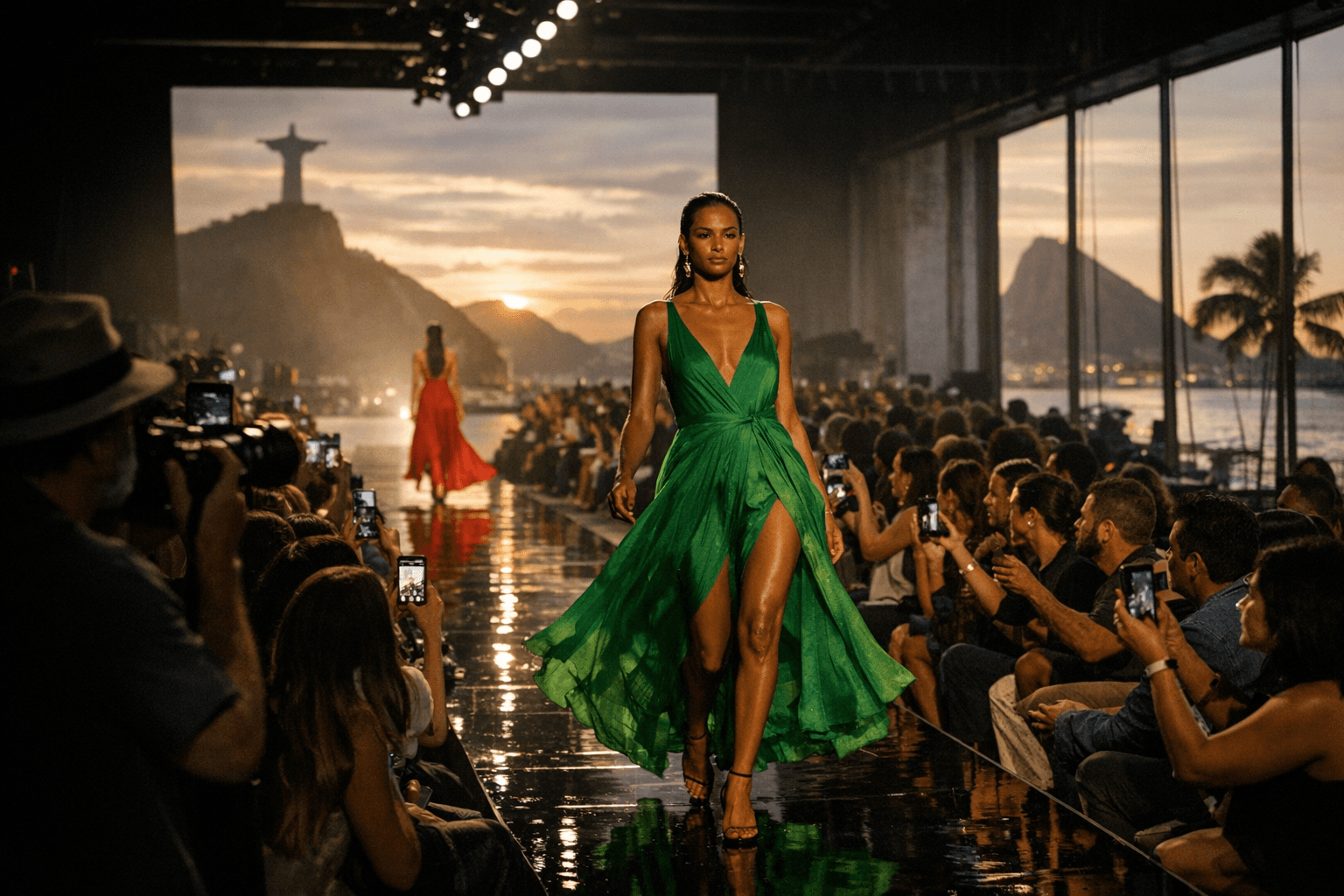
At Pier Mauá, in the Port Region, the event is also making a case for place. A waterfront venue with industrial bones suits the pitch better than a conventional hotel ballroom, because Rio is selling scale, energy, and a city brand as much as hemlines. The first official edition follows a smaller fashion event in the city a decade ago, but this version is being positioned as a reset, not a revival. If Rio can sustain the calendar, deepen its trade appeal, and keep the industry organized beyond the runway, it could become more than a regional showcase. It could become the place where Brazilian fashion learns to sell itself to the world.
This article was produced by Prism’s automated news system from verified source data, official records, and press releases, then run through automated quality and moderation checks before publishing. The system is built and supervised by the people who set the standards it runs under. Read our full AI policy.
Did this article answer your question?


