Why 1970s fashion keeps returning to modern wardrobes
The 1970s keep resurfacing because they hand modern wardrobes a usable formula: designer denim, disco shine, and liberated silhouettes that still feel current.
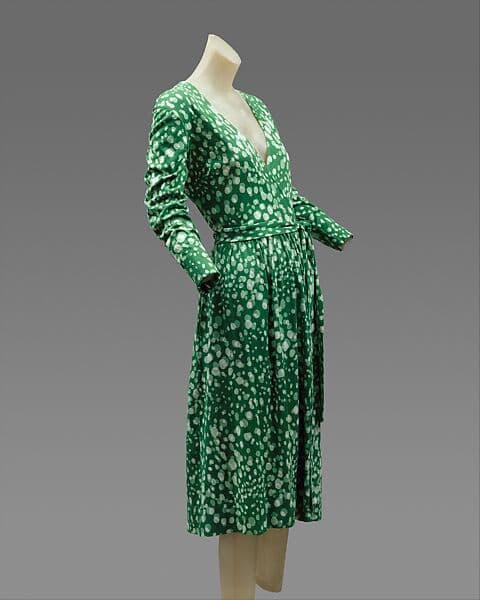
Diane von Furstenberg introduced the wrap dress in 1974, and it remains the cleanest shorthand for 1970s sophistication without fuss. The decade is the blueprint behind bell-bottoms, double denim, halter dressing, and the easy, body-skimming shapes that now fill retail rails and celebrity wardrobes alike.
The decade that still tells stores what to sell
Vogue called the 1970s “the decade for the woman, capital W,” and that framing still fits contemporary fashion. The clothes moved away from strict, structured polish and toward dressing that looked freer, sexier, and more personal, which is exactly what modern shoppers keep reaching for when they want clothes with attitude.
The decade moved through hippie looks, glamour wear, shifting trouser silhouettes, and changing hemlines. You can borrow a suede jacket from one side of the spectrum, a halter top from another, and a pair of flared trousers from a third, and the result still reads as now.
The 1970s do not ask for head-to-toe imitation. A fluid printed blouse with wide-leg trousers, a high-waisted jean with a fitted knit, or a metallic evening top with simple denim all pull from the decade without looking like a party theme.
Why the liberation story still matters to the clothes
The style shift was inseparable from women’s liberation. On August 26, 1970, the Women’s Strike for Equality took place on the 50th anniversary of the 19th Amendment, organized by Betty Friedan and the National Organization for Women. More than 50,000 people took part in the first women’s equality march in New York City, the largest U.S. women’s march up to that point.
At the march on Fifth Avenue in Manhattan, feminist Kate Millett declared, “We’re a movement now.” That energy shows up in the decade’s fashion language: clothes that allowed movement, revealed the body on their own terms, and made room for a woman to look polished without looking pinned down.
The shapes were easy to reissue season after season: wrap fronts, soft shoulders, long legs, open necklines, and enough drape to move when you do.
The pieces that still do the work
Some of the decade’s best-known garments have never really left the rack. The wrap dress became one of the most important garments in fashion history because it solved so many problems at once: it was flattering, adjustable, and wearable from day to night.
Denim tells a similar story. By the mid-1970s, jeans were accepted as fashion staples, and by then they had become both a symbol of youth culture and a favorite of affluent consumers who saw them as an alternative to traditional dress. That transformation is the root of today’s designer denim market, where jeans are treated less like utility and more like a style statement.
- flared or wide-leg trousers that lengthen the body without feeling severe
- a wrap dress that can move between desk, dinner, and event dressing
- a suede jacket for texture and a little softness against denim
- a bohemian blouse with enough print or movement to offset tailored bottoms
- platform shoes when you want height without the fragility of a stiletto
- a halter top or metallic top for the disco side of the decade
- high-waisted jeans, especially when paired with a fitted knit or tucked-in shirt
The pieces most worth taking from the decade now are the ones that have clear styling jobs:
Those silhouettes work because they create shape without looking overworked. The waist is usually defined, the leg is usually long, and the fabric often does some of the visual heavy lifting, whether that means suede, jersey, denim, or a glossy evening finish.
How brands are repackaging the 1970s now
The current revival is not a literal copy of Studio 54. It is more selective, pulling the most wearable codes from the decade and stripping away the rest. Bell-bottoms, double denim, disco dressing, and bohemian looks keep cycling back into current retail because each one offers an instant mood with a clear shopping payoff.
The modern version is usually sharpened for everyday wear. A disco top is easier now, often paired with plain denim instead of a full glam look. Double denim feels less rigid than it once did, especially when brands cut the jacket and jean in softer washes or cleaner lines. Bohemian dressing has also been recalibrated, with fluid blouses and relaxed tailoring taking the place of full sweepy costume.
The decade gives designers multiple entry points at once: bohemian, disco, glam-rock, safari, and minimalist tailoring can all live under the same umbrella. A customer can buy one piece, a wrap dress, a pair of flared trousers, a designer jean, and still arrive at the 1970s mood without wearing a full throwback.
This article was produced by Prism’s automated news system from verified source data, official records, and press releases, then run through automated quality and moderation checks before publishing. The system is built and supervised by the people who set the standards it runs under. Read our full AI policy.
Did this article answer your question?