Citigroup Upgrades Ralph Lauren to Buy, Sees 18% Upside Ahead
Citi analyst Paul Lejuez just flagged 18% upside on Ralph Lauren. Here is what it means for your navy blazer decision before prices firm.
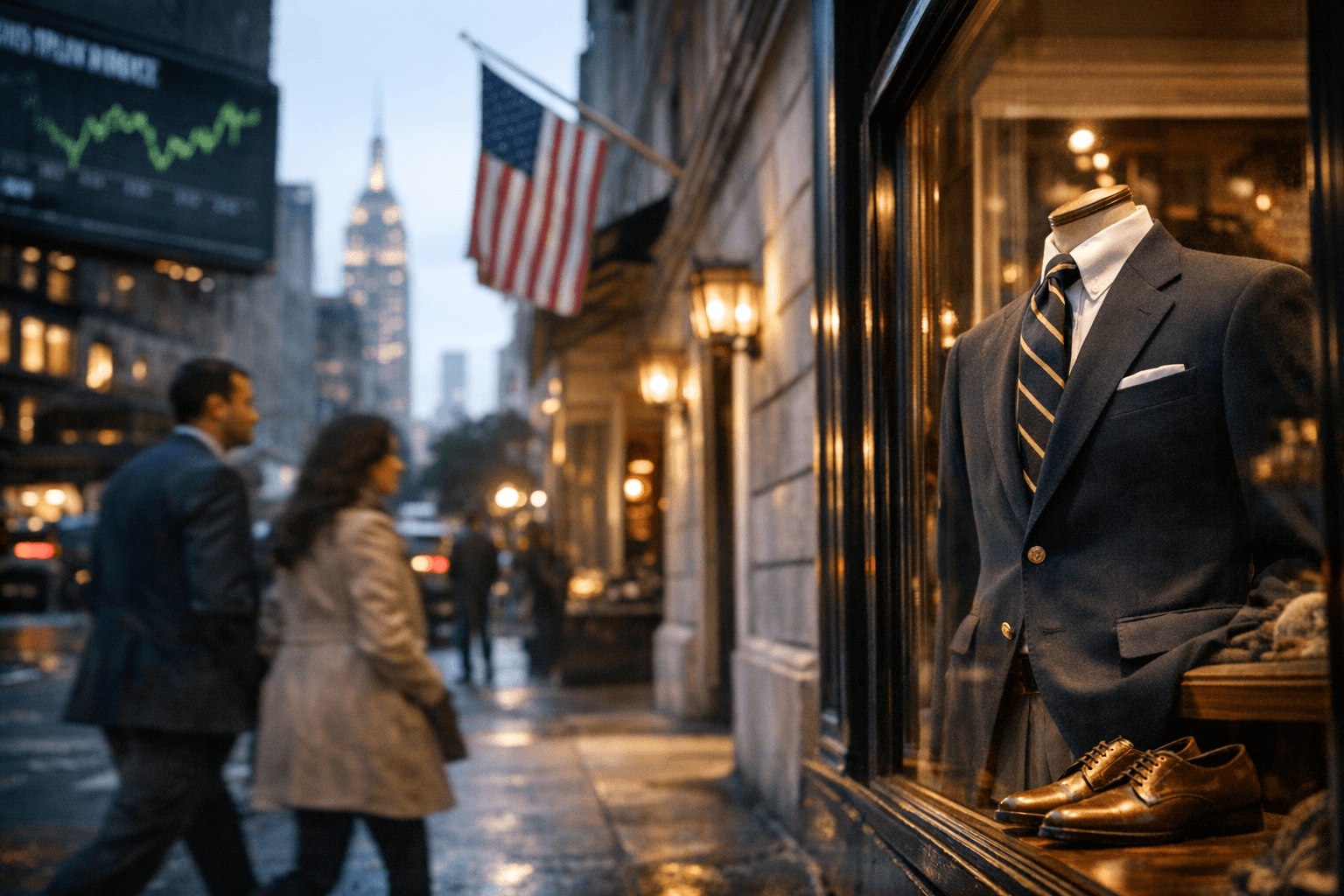
Stop refreshing your wishlist and just buy the blazer. When Citi analyst Paul Lejuez upgraded Ralph Lauren from Neutral to Buy on March 24, 2026, raising his 12-month price target from $360 to $400, he was speaking to institutional investors. But his thesis translates directly to anyone still on the fence about a core Ralph Lauren piece: the brand is operating at the peak of its commercial and cultural power, pricing is tightening, and the window for easy access is closing.
The numbers Lejuez cited are not abstract. Trailing 12-month revenue as of December 31, 2025 reached $7.83 billion, up nearly 13% year-over-year. The holiday quarter, Q3 FY2026, came in at $2.406 billion, up 12.25% and ahead of street expectations. A year earlier, in FY2025, the company posted $742.9 million in earnings, up nearly 15%, while the stock itself climbed 54.5%. The Street consensus is Strong Buy based on 12 analysts, with a FactSet average price target of $379.07. Lejuez's $400 call sits ahead of that pack, and his logic tells you something concrete about where Ralph Lauren product prices go from here.
The Citi upgrade thesis rests on two pillars: the resilience of Ralph Lauren's core Polo product line and the brand's position at the top of the aspirational American heritage market, anchored by Purple Label tailoring. Both segments benefit from the same dynamic Lejuez identified: the brand's high-income buyer has kept spending through macro turbulence while mass-market consumer spending contracts. "Despite a choppy macro backdrop, RL's higher income consumers should help them more easily navigate current macro volatility," he wrote. When your core customer is impervious to economic headwinds, there is little incentive to discount.
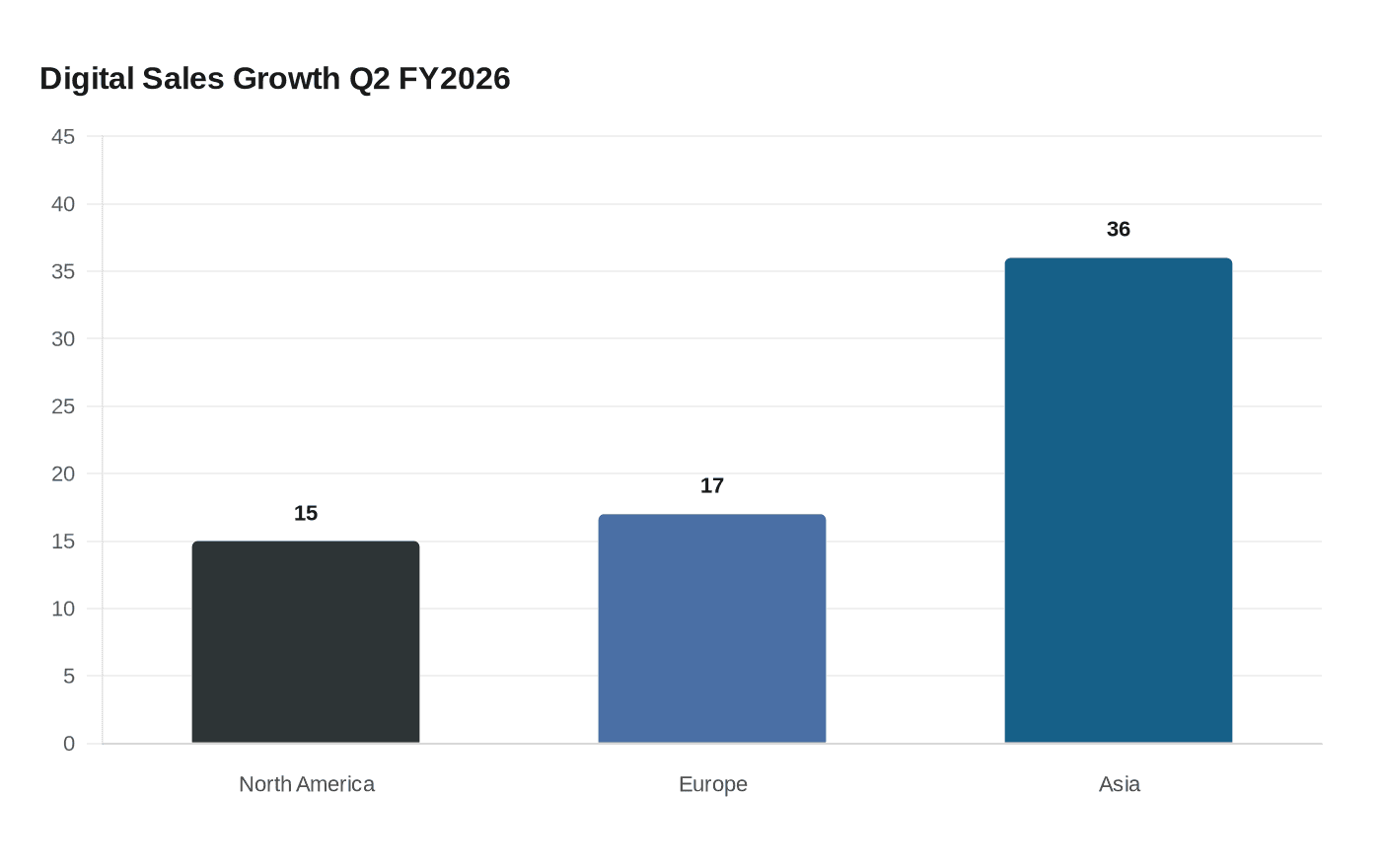
For fashion buyers, that pricing-power signal matters. Ralph Lauren ran under significant promotional pressure for much of the 2010s, navigating department store dependency and excess inventory cycles. That era is structurally over. The brand has spent two years pulling back from wholesale discounting, tightening inventory, and building out direct-to-consumer digital channels. Digital sales in Q2 FY2026 grew 15% in North America, 17% in Europe, and 36% in Asia. On March 24, the same day as the Citi upgrade, Ralph Lauren announced its "Timeless by Design 2030" corporate strategy, doubling down on premium positioning and DTC expansion. The company's long-term targets project revenue of $8.4 billion and approximately $1 billion in earnings by 2028. That level of strategic investment in brand elevation, not brand accessibility, signals where pricing power is headed.
There are real short-term headwinds. In the Q3 FY2026 earnings call, management flagged gross and operating margin pressure in Q4 from tariff-related cost increases and timing of marketing spend tied to the Milan Cortina Winter Olympics, where Ralph Lauren outfitted Team USA for the opening ceremony. Lejuez explicitly called the year-to-date pullback from the stock's 52-week high of approximately $389 "an attractive buying opportunity," anticipating a stronger-than-expected fiscal Q4 result. If that thesis holds, the case for promotional pricing at full-price Ralph Lauren channels weakens further.
The hero item in this moment is the navy Polo blazer. Not the Purple Label, which is a different consideration for a different budget. The core Polo line's structured navy blazer, available in wool and wool-blend fabrications, is where Ralph Lauren's brand elevation is most visible and most accessible at once. It sits at the exact intersection of the brand's heritage identity and Gen Z's current appetite for the old money aesthetic. WWD noted that Ralph Lauren's Pre-Fall 2025 collection demonstrated "brand elevation, stalwart American chic and subtle design evolution for a younger generation," and the blazer is the single garment that carries all three of those qualities.
When you are in the store, here is how to distinguish the worth-it pieces from the line extensions. Check the lapel roll first: on a properly constructed Polo blazer, the lapel breaks naturally over the button without a sharp crease, a sign of half-canvassed chest construction rather than fully fused interlining. Run your fingers along the shoulder seam; clean, flat topstitching without puckering indicates consistent manufacturing quality. Check the lining: the better Polo wool blazers use a Bemberg-style lining that lies flat against the arm rather than pulling when you extend your hand. The buttons are horn, not resin; press lightly on the underside and real horn carries a warmth and density that polyester cannot replicate. The back vent should be a clean single center cut on the core Polo line, appropriate to the American heritage interpretation. The silhouette should skim the body without pulling across the back. Ralph Lauren has run a leaner, more European-influenced cut at the better-tier Polo level since approximately 2023; anything with excess fabric across the shoulders is likely clearance from an older season and worth skipping.
The brand's cultural infrastructure reinforces all of it. The 2026 Milan Cortina Olympics opening ceremony, where Team USA walked in Ralph Lauren's red, white, and navy designs, generated placement no media budget can replicate. The extended U.S. Open sponsorship deal keeps the brand anchored to the most-photographed real estate in American sport. These activations are not passive; they are deliberate positioning moves by a brand that intends to own the aspirational American heritage lane permanently, not just benefit from a passing quiet-luxury trend cycle.
"We have increased confidence that the momentum in the brand can continue," Lejuez wrote on March 24. Translated from analyst note to wardrobe logic: buy before the next catalyst. A brand projecting $8.4 billion in revenue by 2028, dressing Olympians, growing digital 36% in Asia, and carrying a Strong Buy consensus from twelve Wall Street analysts is not about to start sending 40% off codes. The pricing environment for core Ralph Lauren pieces is as favorable right now as it is likely to be for the next two years.
This article was produced by Prism’s automated news system from verified source data, official records, and press releases, then run through automated quality and moderation checks before publishing. The system is built and supervised by the people who set the standards it runs under. Read our full AI policy.
Did this article answer your question?