Fashion insiders say these 7 summer staples feel dated now
The summer style reset is more about attitude than austerity: cornflower blue looks fresh, while peplum, polka dots and zebra have started to feel overfamiliar.
Fashion’s summer reset is being driven by a bigger shake-up than any single silhouette. With 16 new creative director appointments at major houses and the season tilting toward both “High Society” and “Sports Club” moods, the old-money dresser is no longer reaching for the loudest polish in the room. The new move is more selective: keep the pieces that look collected, not copied, and retire anything that has begun to feel like a costume for status.
Cornflower blue
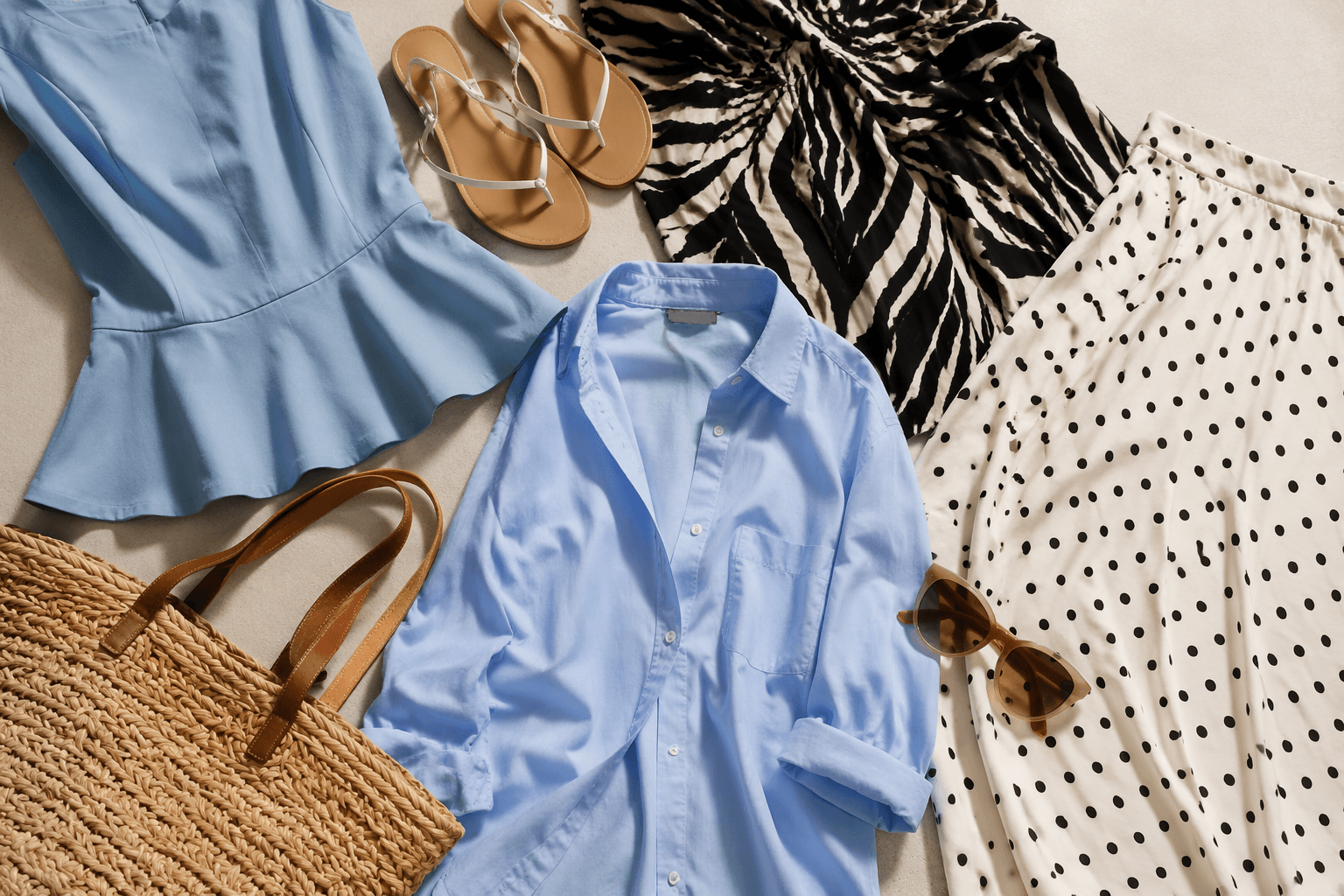
Cornflower blue is the rare shade that can still feel aristocratic without looking stiff. It has the lightness of summer after a run of turquoise satin, which is exactly why it reads fresher now: less poolside gloss, more garden-party air. The smartest way to wear it is against pared-back neutrals, think white poplin, ecru denim, sand-colored tailoring, so the blue looks deliberate rather than sugary.
What makes it feel expensive is restraint. An old-money wardrobe does not need the color to do all the work, so let cornflower appear in a crisp shirt, a clean knit, or a simple column dress and keep the styling quiet. The moment it is over-accessorized, it loses the polish that makes the shade interesting in the first place.
Peplum tops
Peplum is back in cleaned-up proportions, but the version that feels dated is the one that still clings to early-2010s business-casual energy. That silhouette had a long runway of its own, surfacing in postwar Paris, resurfacing in the 1980s, and then hitting peak saturation in the 2010s, which is exactly why it now needs a sharper edit. The current mood favors a neater waist, a smoother line over the hip, and less obvious volume.
For an old-money dresser, the replacement is not anti-feminine, just less performative. Swap the flounced peplum for a sculpted knit top, a tucked silk shirt, or a softly tailored jacket that shapes the body without announcing the trick. The difference is subtle, but it changes the whole message from trend participation to considered dressing.
’70s specs
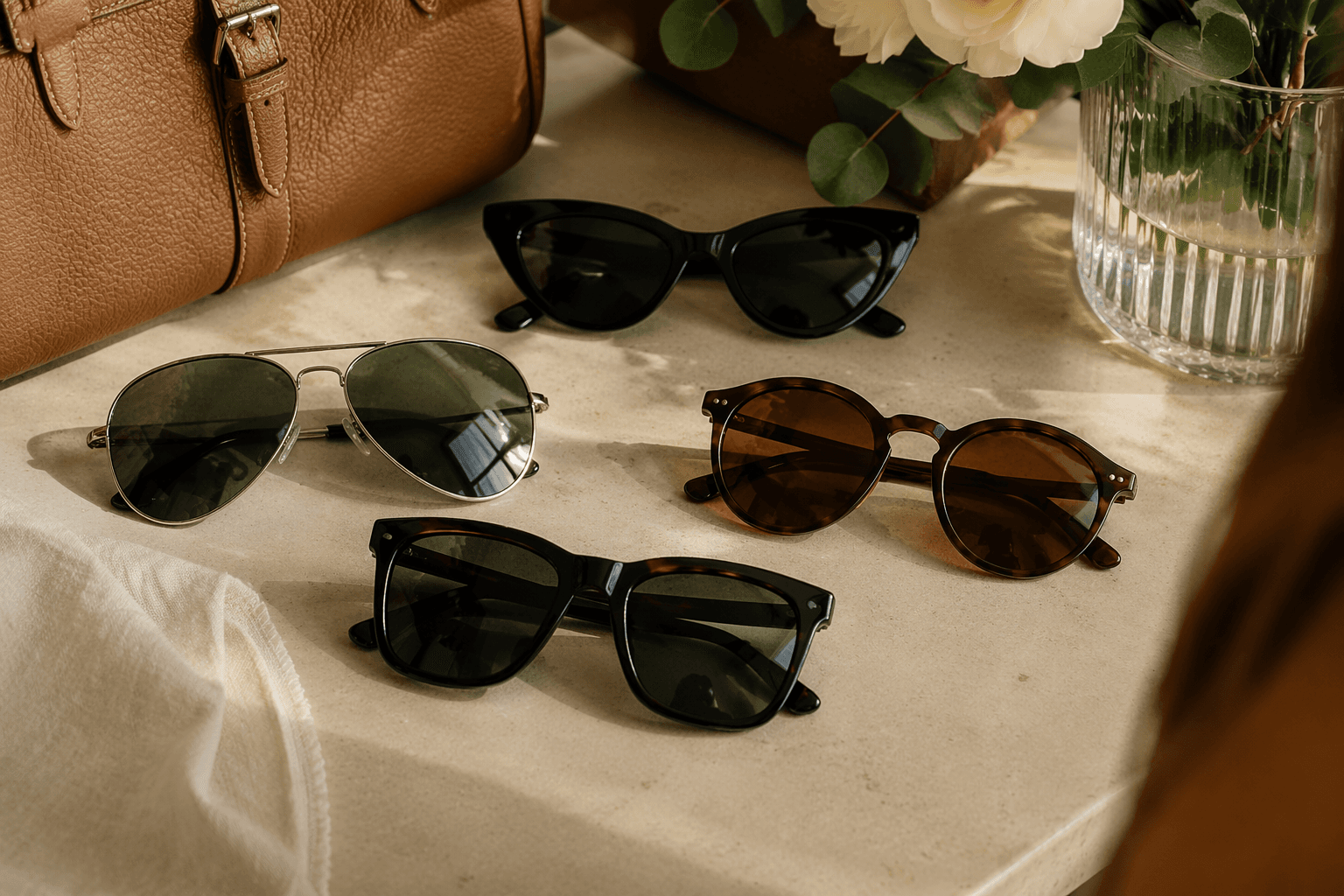
Retro eyewear has crossed into familiar territory, and ’70s specs now risk looking too self-aware. The oversized lenses, warm tints and nostalgic curves can flatter, but they also bring a whiff of theme dressing when the rest of the outfit is already trying hard. In a season that is rethinking what reads as current, that kind of heavy-handed reference is exactly what starts to feel tired.
The better choice is cleaner and less literal: slim metal frames, softly squared shapes, or understated acetate in a color that sits close to the skin. Old-money style has always understood that sunglasses are punctuation, not the headline. Keep the frame discreet and let the clothes carry the authority.
Taffeta
Taffeta is not disappearing, but it has to work harder than it used to. In summer 2026, it keeps showing up as a directional fabric for shorts, dresses and separates, which tells you everything about where the real energy sits: not in froufrou volume, but in sharper shapes that make the sheen feel modern. The dated version is the one that leans too hard into stiffness, shine and occasionwear fuss.
If you want the texture, keep the silhouette disciplined. A taffeta skirt with a straight line, a crisp top with just enough structure, or a pared-back dress with a slight sheen can still look elevated, especially beside a simple sandal or flat. What should go is the overworked princess treatment, because old-money dressing prefers precision to spectacle.
Polka-dot dresses
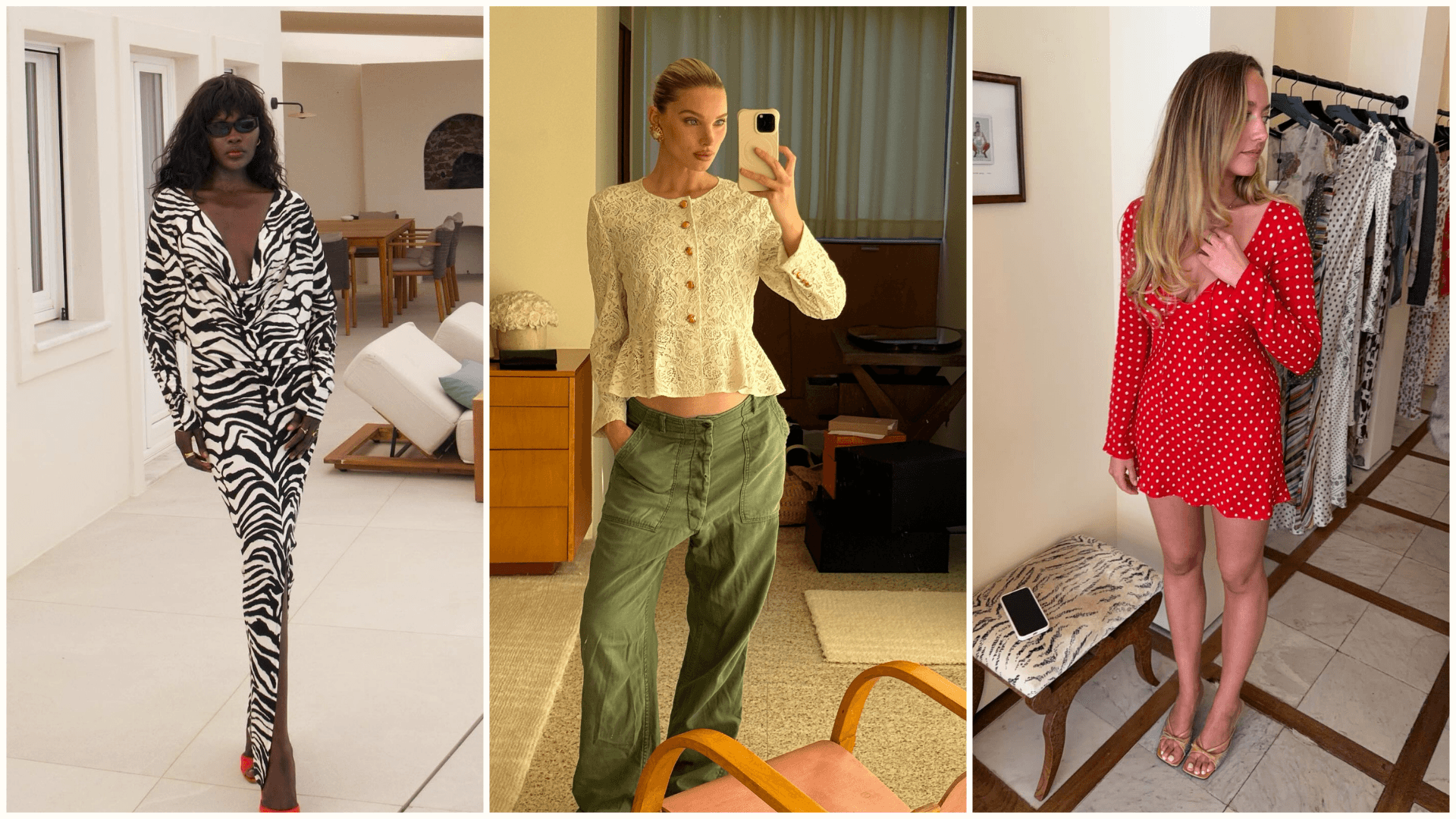
Polka dots are having a moment on the runway, from Khaite and Altuzarra to Carolina Herrera, Dries Van Noten, Patou, Christian Siriano and Vetements, which is exactly why the printed dress version can start to feel overexposed in everyday summer wardrobes. When a motif appears that widely across spring and summer collections, it stops reading as charmingly classic and starts reading as a familiar fashion shorthand. The danger is not the dot itself, but the predictability of the full dress treatment.
The more refined answer is to break the print apart. Choose a crisp striped poplin dress, a plain white sundress, or a dot used in a smaller dose, perhaps on a scarf, blouse, or hem detail, where it feels intentional rather than obvious. Old-money style has always preferred one elegant idea over a loud repeat.
Sport shorts
Sport shorts are one of those pieces that can look effortless on paper and slightly careless in real life. Their appeal is clear, especially in a season with a Sports Club undertone, but once the silhouette becomes too casual, too short, or too visibly athletic, it loses the polish that makes summer dressing feel expensive. The familiar elastic-waist, gym-adjacent version is the one that now feels overplayed.
The replacement is a tailored walk-short, a pleated Bermuda, or a linen short with a proper waistband and enough length to read composed. These shapes keep the ease without the after-hours gym energy, which is the whole point of old-money dressing in summer: comfort, yes, but with structure. A pressed short in stone, navy, or white does more for a wardrobe than another piece that looks borrowed from the track.
Zebra print
Zebra print has become one of those patterns that can claim neutrality and still feel a little too loud. Who What Wear has made the case for it as a wearable animal print in 2026, but that is also what makes it vulnerable to fatigue: once a statement starts behaving like a basic, it can tip from clever to overfamiliar. The black-and-white contrast is strong, graphic and easy to wear, yet that same ease can make it feel broadly seen rather than freshly styled.
For a quieter wardrobe, the smarter substitute is a softer stripe or a more textural black-and-cream piece that suggests pattern without the full zebra effect. A fine linear stripe in cotton, a barely-there jacquard, or a smooth neutral separate does the same work with less noise. That is where old-money style lands now: not on the loudest pattern in the room, but on the one that still looks chosen when everyone else has already worn it out.
This article was produced by Prism’s automated news system from verified source data, official records, and press releases, then run through automated quality and moderation checks before publishing. The system is built and supervised by the people who set the standards it runs under. Read our full AI policy.
Know something we missed? Have a correction or additional information?
Submit a Tip