Laopu Gold rises as China’s wealthy favor heritage jewelry
Laopu Gold is turning heritage gold into a status signal, with Beijing roots, Hong Kong retail and shares at record highs. China’s wealthy are buying tradition as much as metal.
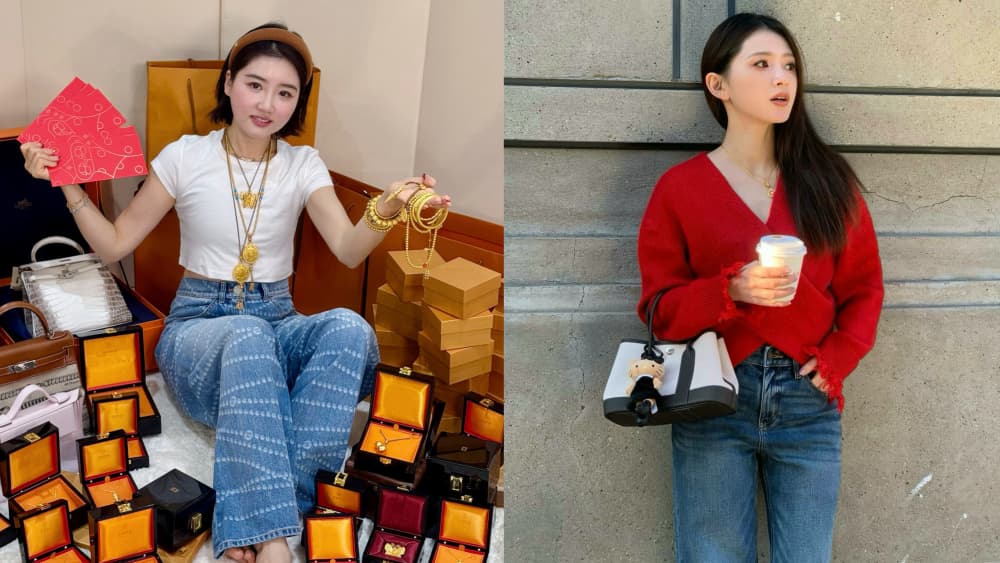
Laopu Gold has become the rare luxury name in China whose appeal feels less like a logo and more like lineage. Founded in Beijing in 2009 by Xu Gaoming, the gold jeweler now sits at the intersection of craft, cultural memory and conspicuous restraint, with shares that climbed to record highs after its Hong Kong listing in June 2024. For wealthy buyers, the attraction is not flash alone, but a piece that reads as collectible, local and socially legible.
A Beijing brand built on heritage
Xu launched the first store after working in tourism, culture and handicrafts, and that background still shapes the brand’s language. Company materials describe Laopu as a Chinese heritage gold jewelry brand accredited by the China Gold Association, rooted in intangible cultural heritage craftsmanship; investor materials add that the company balances cultural heritage value with original design and an asymmetric strategy. That combination matters because it gives the pieces more than market value, it gives them a provenance story.
In old-money terms, that is the difference between jewelry that announces itself and jewelry that implies a world. Laopu’s pieces belong to the latter category because the brand has built its identity around Chinese craft traditions rather than Western luxury symbolism. The effect is closer to an heirloom object than a trend accessory, which is exactly why it has found an audience among buyers who want wealth to look informed, not noisy.
Why traditional gold feels newly relevant
Reuters said Laopu has stood out even as demand for other high-end goods in China has been lacklustre, and the explanation runs deeper than a temporary flight to safety. Gold is functioning in China as both a hedge against uncertainty and an emotional asset, which gives it a dual life that handbags and watches cannot always claim. In the world of occasion dressing and family wealth, that makes a gold bracelet or pendant feel like both adornment and reserve.
The cultural shift has been building for years. Reuters reported in 2021 that affluent young Chinese consumers were returning to traditional jewelry styles, and the World Gold Council called 2024 Chinese gold jewellery retail demand cautiously optimistic. Put together, those signals show why Laopu’s aesthetic resonates now: the market is not only chasing metal content, it is rewarding cultural fluency, recognizable workmanship and objects that can be passed forward.
How Laopu reads in a luxury wardrobe
The brand’s power is in how it fits into a wardrobe that values polish over display. Its traditional gold craftsmanship gives the jewelry a dense, finished surface that pairs naturally with silk, cashmere and sharply cut tailoring, especially when the aim is to signal inheritance rather than novelty. In the logic of old-money style, that means the piece does not need to shout; its weight, finish and craftsmanship do the work.
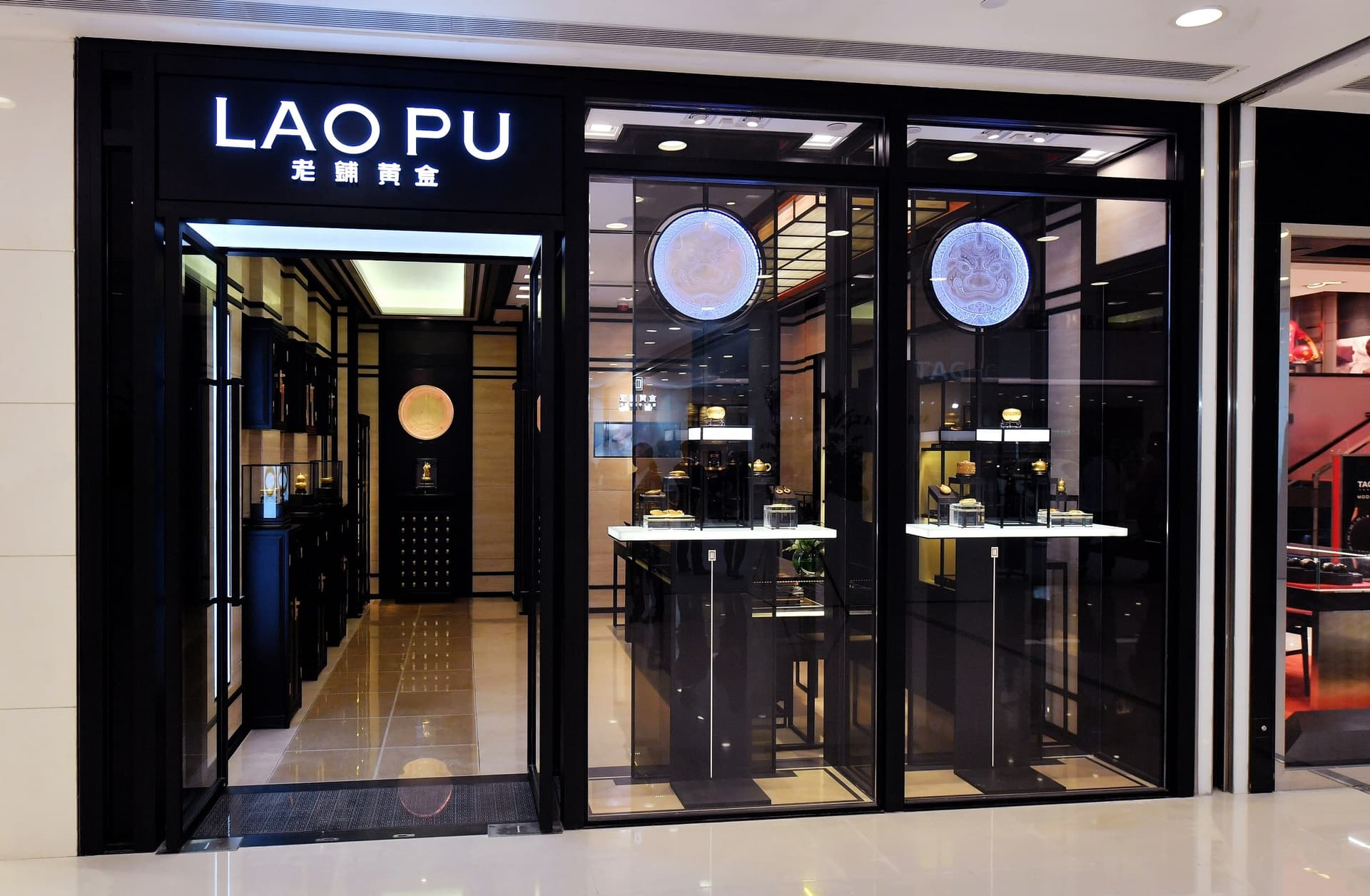
Prestige retail has reinforced that message. Laopu has opened in Hong Kong at Tsim Sha Tsui and at IFC Mall, and the Hong Kong IFC store page describes it as China’s leading brand in traditional gold craftsmanship. Those addresses matter because luxury in Asia is often as much about geography as product, and a place inside IFC Mall places the label in the same orbit as the city’s most closely watched retail names.
Sales momentum and investor appetite
The commercial numbers explain why Laopu has moved from cult status into a broader luxury conversation. Business of Fashion said sales doubled in each of the past two years, while South China Morning Post reported that earnings nearly tripled on sales growth at home and abroad. That kind of acceleration is rare in high-end jewelry, where growth usually arrives in smaller increments and at a slower pace.
Investor enthusiasm has tracked the consumer story. Reuters reported on March 20, 2025 that Laopu shares had soared to record highs after its Hong Kong listing, a signal that the market sees more than a passing fashion moment. The stock performance also tells you something about the category itself: when a heritage jeweler can command that kind of valuation, it means traditional gold has become a serious luxury proposition, not a nostalgic sideline.
The competition is moving too
Laopu’s success has also pushed rivals to recalibrate. Chow Tai Fook Jewellery Group Ltd. has moved to raise prices on some gold jewelry products, which shows how the premium end of the market is being reset from within. Once a brand can pull the ceiling upward, competitors are forced to defend their own sense of craftsmanship, pricing and cultural relevance.
That wider pressure helps explain why Laopu’s rise feels bigger than one company. South China Morning Post said Goldman Sachs expects overseas expansion to accelerate, suggesting the brand’s next phase may depend on whether its Chinese heritage vocabulary travels cleanly beyond mainland buyers. If it does, Laopu will not just be a local success story, but a template for how heritage jewelry can carry status across borders without losing its restraint.
This article was produced by Prism’s automated news system from verified source data, official records, and press releases, then run through automated quality and moderation checks before publishing. The system is built and supervised by the people who set the standards it runs under. Read our full AI policy.
Did this article answer your question?