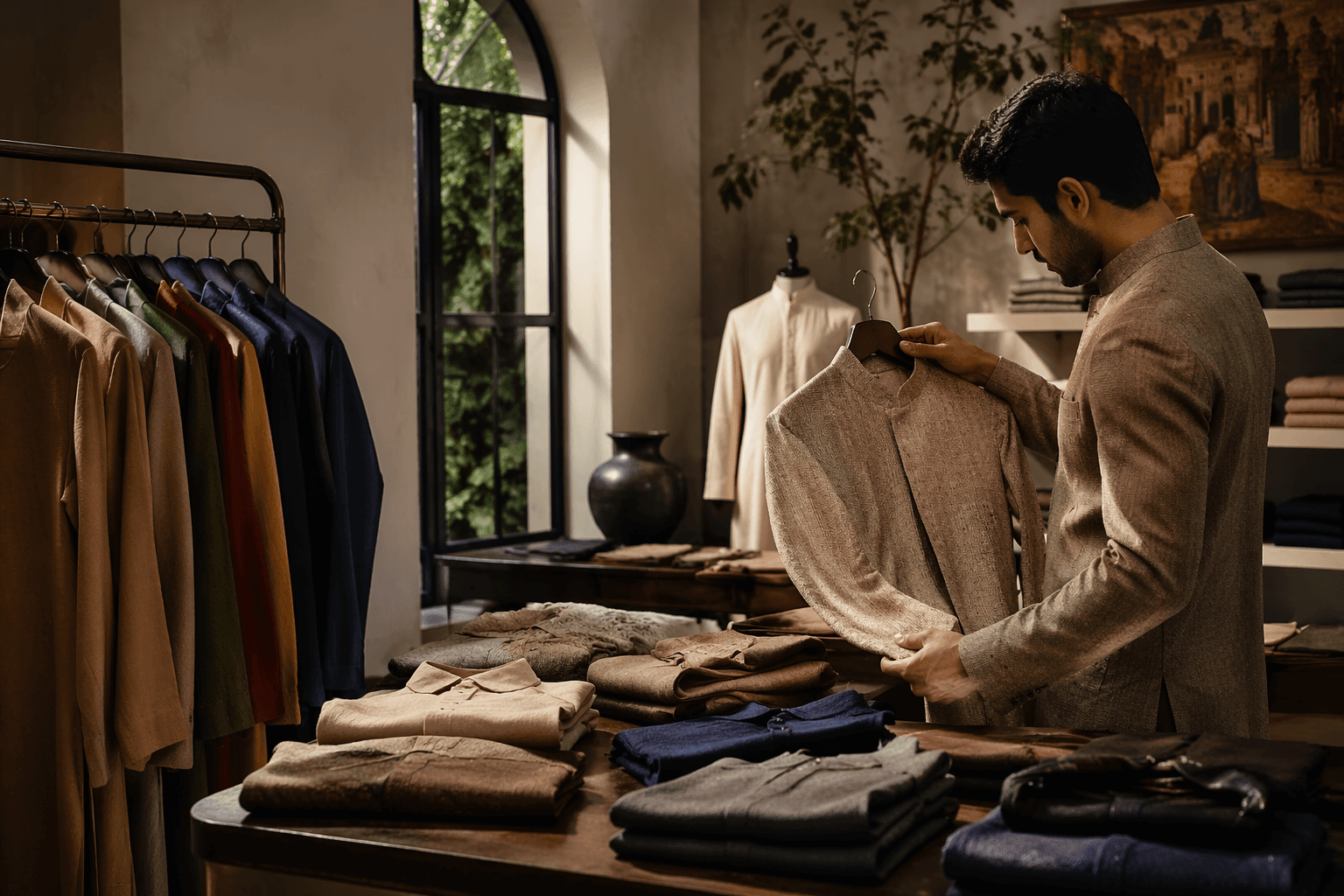
Mayyur Girotra reworks heritage textiles into museum-worthy couture
Girotra is turning endangered Indian cloth into heirloom couture, where Kutch, Kanjeevaram and Rabari craft read like provenance, not decoration.
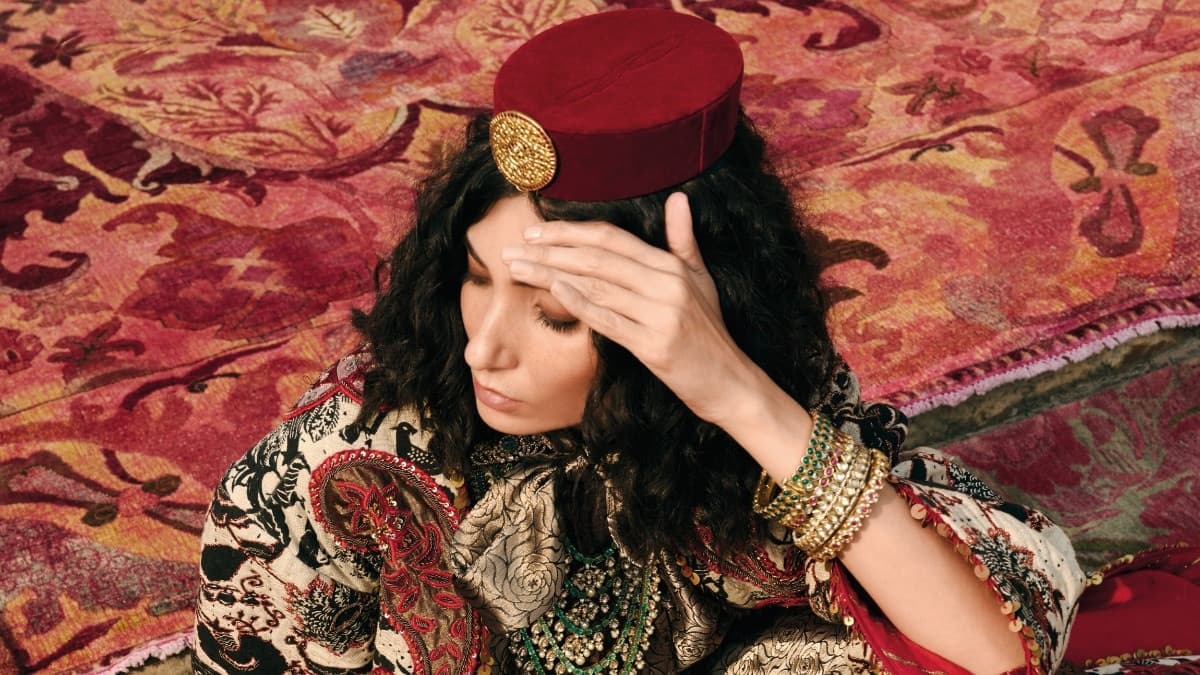
Provenance is the new status code
Luxury has spent years pretending restraint is the highest form of taste. Girotra’s latest chapter says something sharper: the real flex is lineage you can feel in the weave, the stitch, and the story of who kept it alive. The Collectables does not chase novelty; it treats Indian textiles like inherited property, the kind of thing old-money wardrobes understand instantly because value here is not loud, it is documented in handwork.
That is why this collection lands less like a runway drop and more like an archive with pulse. Girotra is using couture to argue that endangered cloth deserves the same respect as a family silver chest or a portrait hanging over a drawing-room mantle. In a market obsessed with “quiet” everything, he is making the case for cultural capital with texture.
Delhi became the stage, not the backdrop
The rollout mattered because it was handled like a ritual, not a retail moment. Girotra introduced The Collectables over two curated days in Delhi, with one of the most pointed gestures being a private Shahi Iftari at Jama Masjid’s Shahjahan Terrace, hosted by Imam Shaban Bukhari and Girotra. That setting in Shahjahanabad gave the collection the right kind of gravity: historic, intimate, and fully aware of its own symbolism.
Earlier, the line was previewed at The Leela Palace, New Delhi, where the first impression was not about trend but about preservation. Showing the work in both a hotel ballroom and a sacred terrace tells you exactly how Girotra wants this read: as luxury, yes, but luxury with a social memory attached. That is the difference between a collection and a statement of intent.
Inside the cloth archive
The Collectables is built from about 45 museum-worthy finds, restored and reworked into jackets, saris, and waistcoats. The material range is the part that makes the project feel properly obsessive: Rabari camel bags, Kutch bedspreads, vintage Kanjeevaram silks, and handloom lungis drawn from Tamil Nadu, Rajasthan, and Gujarat. This is not decorative borrowing. It is regional textile knowledge being treated like a vault of assets.
The techniques do as much talking as the fabrics. Girotra folds in Suzani-inspired running stitches, dori work, kora zardozi, gota, and patola references, which means the surface language of the clothes carries multiple craft traditions at once. That layering matters because it turns the pieces into something closer to living documentation than costume, with each panel, seam, and finish carrying a different geography.
What makes the clothes feel museum-worthy is not just rarity. It is the way the original objects are not flattened into novelty, but translated into silhouettes that can move in a modern wardrobe. A waistcoat cut from inherited cloth reads very differently from a static display case, and that is the whole point: preservation that still has a life.
Girotra’s backstory explains the obsession
Girotra did not arrive at this from a purely fashion-school fantasy. He was born and raised in New Delhi, studied hospitality and commerce in London, spent nearly a decade in wealth management in Dubai, and launched his label in 2009. One profile also places him between Delhi and New York, and says he built the brand with just two sewing machines and one masterji. That background reads like a lesson in both discipline and taste: he understands commerce, but he clearly cares about what commerce misses.
His attachment to textiles is long-running and personal. Reports describe sarees sourced across South India, Kashmiri shawls brought home directly by craftsmen, and a deliberate shift away from intermediaries so he can work straight with artisan clusters. That directness is not a romantic flourish. It is part of how he keeps the craft relationship honest, and how he insists on fair, consistent engagement and fair wages.
The preservation argument is really about labor
This is where The Collectables stops being a nostalgia project and becomes a business case. Girotra has said the work is meant to restore dignity and long-term value to Indian heritage textiles, because too many of them are admired for their beauty without being treated as cultural artefacts with history, technique, and legacy embedded inside them. That distinction matters in luxury right now, because the market is increasingly selling lineage, not novelty.
The labor side is just as important. Profiles around the project make clear that many young artisans do not see a viable future in craft because the pay and working conditions are too weak to sustain a life in it. Girotra’s answer is not sentimental: preservation needs stable wages, long-term relationships, and a reason for craft to feel like a future instead of a museum of lost skills.
That is also why the project’s geography matters. The collection pulls from Tamil Nadu, Rajasthan, Gujarat, Kutch, and the broader textile cultures that have made Indian handwork so hard to replicate convincingly. The real question is not whether these regions produce beautiful cloth, because they do. The question is which techniques, artisan networks, and knowledge chains survive when luxury finally starts paying attention.
Why this hits old-money taste now
Old-money style has always traded in signals of inheritance, but the signal is changing. It is no longer enough for clothing to look discreet or expensive; it has to feel sourced, storied, and slightly uncopiable. Girotra understands that instinct better than most, which is why The Collectables reads like a direct answer to a market that wants objects with provenance and moral weight.
The brand’s own position is clear enough: it aims to preserve, showcase, and celebrate Indian crafts and textiles, while letting the work evolve so it stays culturally and economically relevant for future generations. That is the rare luxury pitch that actually earns its price point. In a season full of polished sameness, Girotra is selling something with memory in it, and that is what gives the clothes their real authority.
This article was produced by Prism’s automated news system from verified source data, official records, and press releases, then run through automated quality and moderation checks before publishing. The system is built and supervised by the people who set the standards it runs under. Read our full AI policy.
Know something we missed? Have a correction or additional information?
Submit a Tip