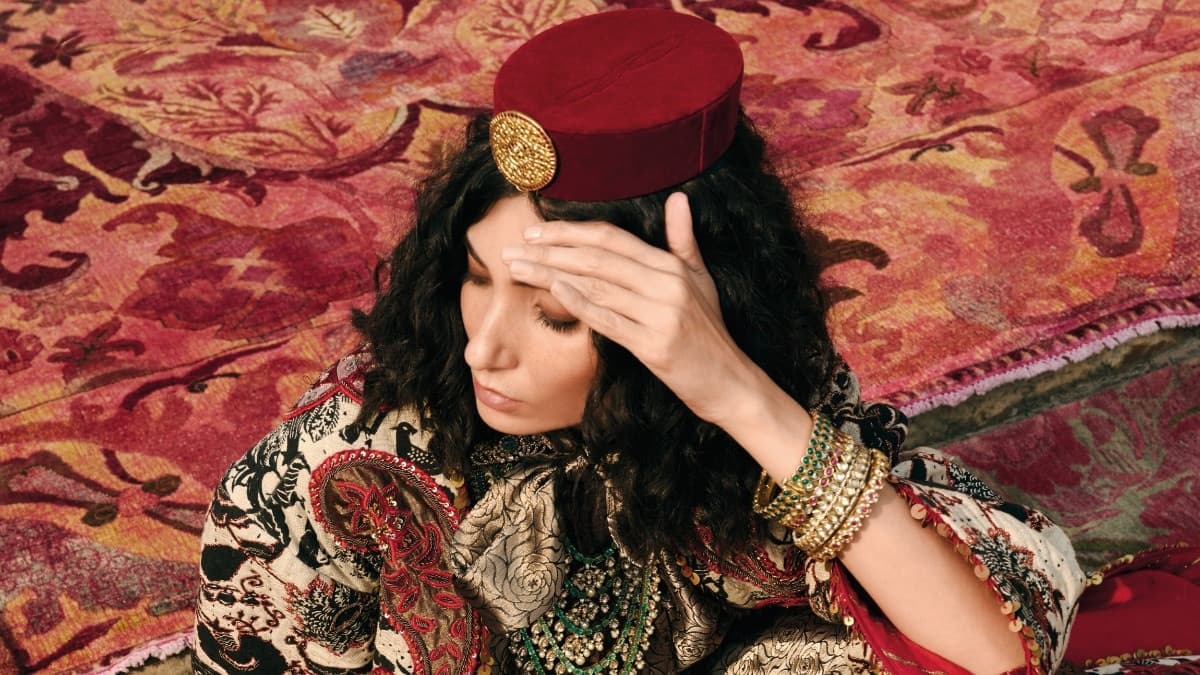
SAND by Shirin expands with heritage-led luxury in India
India’s sharpest luxury signals are getting quieter, but more powerful: flagship retail, family-led menswear, craft, and exclusivity with a point of view.
Heritage is back, but it has learned to sell
The clearest luxury signal in India right now is not louder branding. It is heritage being edited into something sharper, more immersive, and a lot more commercially confident. Harper’s Bazaar India’s May 28 roundup reads like a map of where prestige is moving next: into flagship spaces that feel curated, into menswear with lineage, and into collaborations that carry emotional or philanthropic weight instead of just hype.
That matters because old-money style has never really been about novelty. It is about recognition, provenance, and the feeling that something has a story before it has a season. This crop of openings and launches shows luxury leaning harder into that logic, from Mumbai and Delhi to Bhutan and Paris.
SAND by Shirin is turning retail into atmosphere
SAND by Shirin is opening its first flagship store at Jio World Drive, Mumbai, and the location alone tells you the brand understands the game. Jio World Drive has become one of the city’s most important luxury stages, the kind of address that signals you are not testing the market, you are claiming territory. The store sits at Shop no: FE-09, a detail that sounds practical but lands like a marker of permanence.
Founded by Shirin Mann of NEEDLEDUST, SAND has built its name on fluid silhouettes and resort wear that feels controlled rather than precious. The new space, designed by Studio Hasta, pushes that identity into the architecture itself. Think sculptural interiors, earthy textures, tactile finishes, and the sort of curated restraint that makes a shop feel like a private residence rather than a commercial box.
The expansion into SAND Jewellery sharpens the brand’s hierarchy. Womenswear, menswear, footwear, accessories, and now jewellery means the label is no longer selling a look, it is building a full wardrobe language. With the brand approaching its fifth anniversary, the flagship reads less like a celebratory ribbon-cutting and more like a consolidation of status. That is the old-money play: make the world bigger, then make it feel inevitable.
Krésha Bajaj Homme gives Indian menswear a proper spine
If SAND is about atmosphere, Krésha Bajaj Homme is about lineage. The menswear label is shaped by the tailoring legacy of Krésha Bajaj’s late father, Kishor Bajaj, founder of the Bandra tailoring house Badasaab, and that history gives the launch real weight. This is not a designer suddenly deciding men need attention. It is an inheritance being translated into a new code.
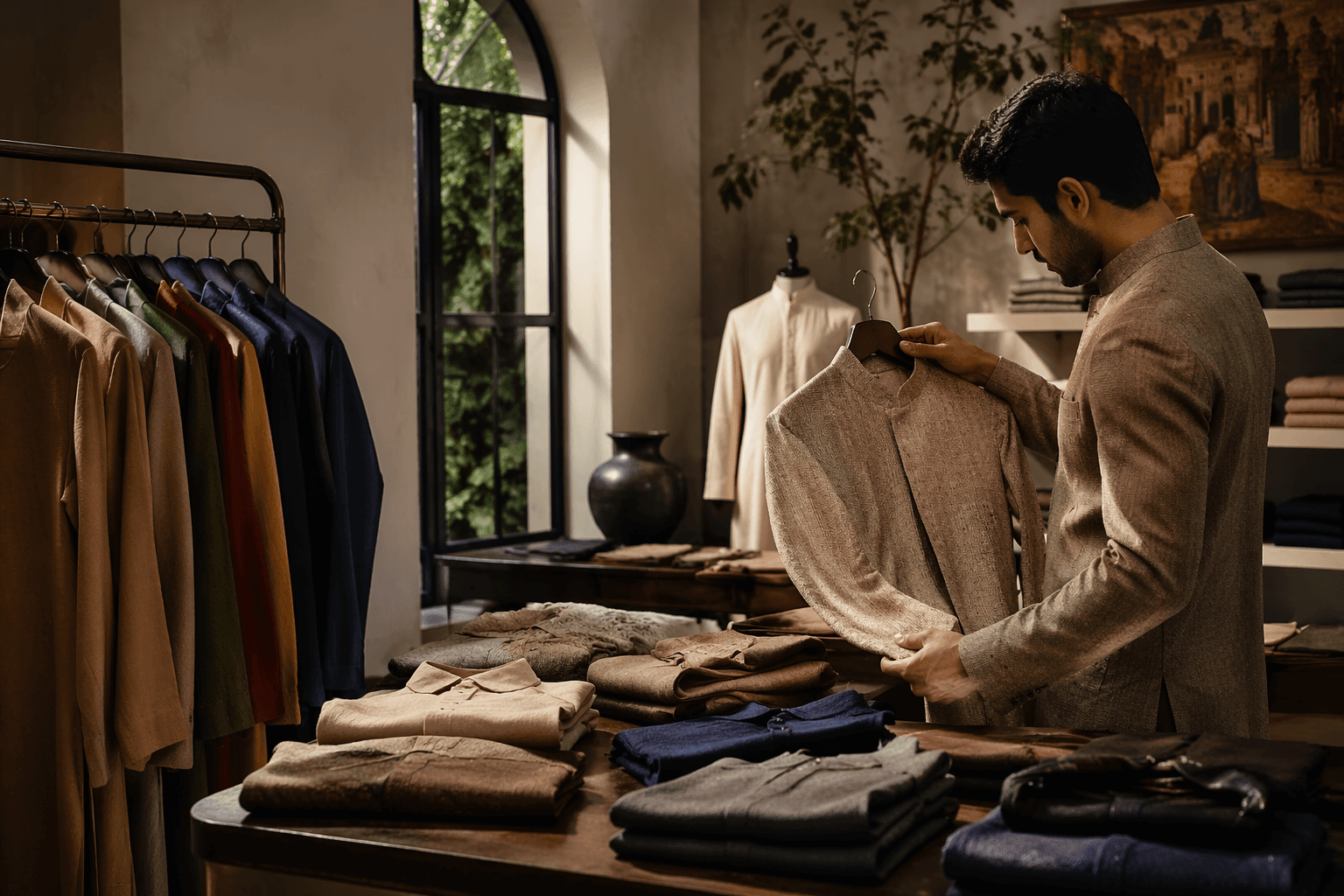
The debut collection, The Smoking Room, is all about quiet authority: sharply tailored jackets, three-piece suits, kurtas, and outerwear made with precision and restraint. The appeal here is not theatrical masculinity. It is the kind of tailoring that understands posture, shoulder line, and the power of a clean cut. For readers tracking old-money style, that shift matters because it shows Indian menswear moving away from mimicry and into authorship.
The broader context only makes it more interesting. Indian men are dressing with more narrative now, with bandhgalas worn with sneakers and heirloom jewellery worn daily, which is a far cry from the old Western-leaning template. Krésha Bajaj Homme lands exactly where the market is headed: craft-led, hybrid, and rooted in family memory without looking stuck in it.
Bhutan’s Chandrika Tanamg is proving craft can still feel intimate
Chandrika Tanamg’s HOME COMING is the kind of presentation luxury needs more of, because it understands that intimacy is not the opposite of ambition. Presented at Terma Linca, the same venue where she first showed work in 2016, the collection returns to Bhutanese handweaving traditions through a more minimal and experimental lens. That venue detail gives the whole thing a sense of continuity that most fashion launches lack.
Tanamg has come back home after two years away, and the emotional architecture of that return is part of the collection’s power. What started as a passion project has grown into a network of home-based weavers and in-house teams, which is exactly how serious craft brands become institutions. The work still feels close to the hand, but the scale is no longer small.
This is one of the season’s smartest luxury signals because it treats local craft as cultural capital, not decorative reference. In a market full of polished launches, HOME COMING reminds you that prestige can also come from community, patience, and the long arc of making.
Mayyur Girotra is selling heritage as artifact, not costume
Mayyur Girotra’s The Collectables pushes that idea even further. The project reframes Indian textiles as cultural artefacts rather than trend material, and it does it through intimate gatherings in Delhi, including a private Shahi Iftari at Jama Masjid’s Shahjahan Terrace in Shahjahanabad. That setting is not incidental. It places the clothes inside living history, where architecture, ritual, and textile memory all speak the same language.
Girotra’s work with artisan clusters over extended periods, with fair and consistent engagement and fair wages for weavers and artisans, gives the project credibility beyond the moodboard. That kind of continuity is where the real value sits now. Luxury buyers who are paying attention are no longer only asking what something looks like. They are asking who made it, how long it took, and whether the story holds up under scrutiny.
This is also where Indian luxury is becoming more self-assured. The Collectables does not ask textiles to behave like imported eveningwear. It lets them remain themselves, then elevates that identity into something collectible. That is a much stronger proposition than trend-driven ethnic dressing.
Louis Vuitton and UNICEF show how prestige now includes purpose
Louis Vuitton’s partnership with UNICEF, which began in 2016, has entered the kind of anniversary territory that luxury houses love because it lets them blend heritage, exclusivity, and public purpose. In 2026, the brand marked the partnership’s ten-year anniversary with a Unity Time Object shown at its Fall-Winter 2026 men’s show in Paris. It is a neat piece of luxury theatre, but also a useful signal.
The message is clear: high luxury is increasingly expected to carry a social narrative, not just a product narrative. Louis Vuitton has used limited-edition silver pieces and auction objects to support UNICEF, and the Unity Time Object extends that logic into a more ceremonial register. The object is less about utility than symbolism, which is exactly why it works in this context.
For old-money readers, this matters because it shows where the upper end of the market is placing value. Status is no longer only about possession. It is about alignment, exclusivity, and the ability to make generosity look culturally fluent.
The real shift: India is becoming a reference point, not a sidebar
Taken together, these moves point to a more interesting luxury market than the usual logo parade. Harper’s Bazaar India’s wider framing around Balenciaga’s Mumbai unveiling, Prada’s Kolhapuri conversation, and Anamika Khanna’s cross-cultural collaboration suggests India is not just being courted as a customer base. It is being treated as a source of ideas, a place where craft, tailoring, and retail can be remixed into something globally relevant.
That is the bigger old-money takeaway. Prestige is moving toward brands and designers that can prove continuity without looking antique, and modernity without looking disposable. The houses and labels winning right now are the ones that make history feel usable.
This article was produced by Prism’s automated news system from verified source data, official records, and press releases, then run through automated quality and moderation checks before publishing. The system is built and supervised by the people who set the standards it runs under. Read our full AI policy.
Know something we missed? Have a correction or additional information?
Submit a Tip