Quiet Luxury Bags Return in Pouch, Bucket, and Cylinder Shapes
Quiet luxury is back in sharper form: spring’s best bags are pouches, buckets, and cylinders with disciplined lines, rich leather, and no loud logo habits.
The quiet-luxury reset
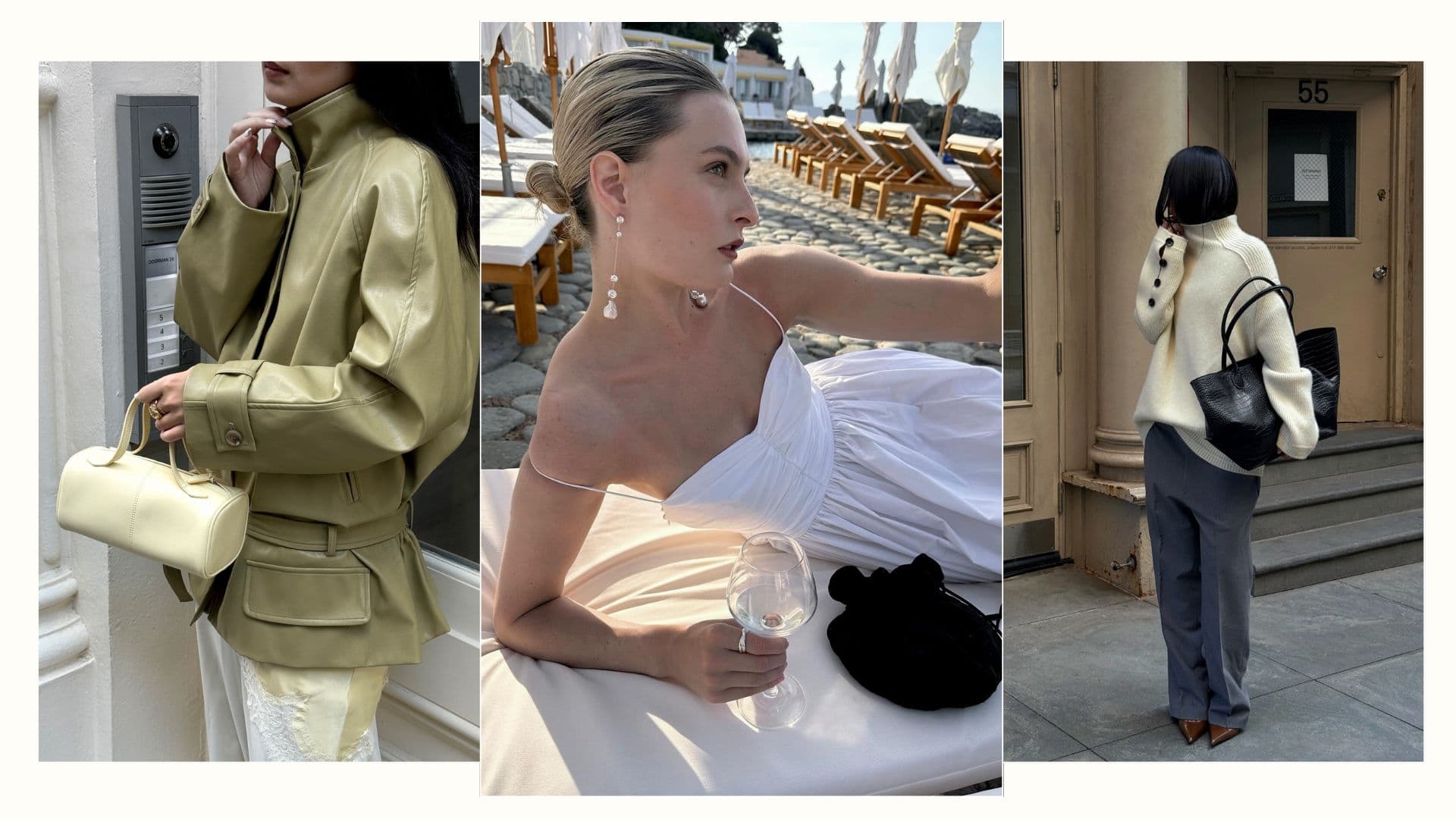
The most persuasive bags of spring 2026 are not trying to startle you. They are built to look inherited, not hyped, which is exactly why pouch bags, croc leather, bowling bags, bucket bags, and cylinder shapes suddenly feel so relevant again. The season’s handbag story has shifted toward texture and restraint, with new seasons, emerging aesthetics, and viral TikTok movements pushing the market away from logo noise and toward finishes that look expensive from across a room.
Quiet luxury may be losing its name, but not its power. The codes that made the look matter in the first place, clean lines, minimal hardware, and silhouettes that will still make sense years from now, are still the best filter for deciding what is worth buying. Fresh creative leadership at Bottega Veneta, Chanel, and Dior has only sharpened the mood, turning handbags into a reset point rather than a repeat of familiar formulas.
What reads as old-money now
Old-money dressing has always favored discipline over display, and that principle is visible in the best quiet-luxury bags on the market. The Row’s Marlo, which steps in after the discontinued Margaux, has the right instincts: a controlled structure, a calm surface, and enough presence to feel substantial without ever becoming flashy. It is no accident that Kendall Jenner and Jennifer Lawrence have been drawn to it. The same logic applies to Bottega Veneta’s Veneta, Saint Laurent’s Le 5 à 7, Demellier’s Stockholm, Tory Burch’s Romy Tote, and Loewe’s Flamenco, all of which rely on shape, leather quality, and proportion rather than a shouted insignia.
That is the real separation point for this category. The bags that feel heirloom-worthy have architecture. The bags that date quickly tend to borrow the minimal look while losing the material depth that makes it believable. Rosie Huntington-Whiteley, Jennifer Lawrence, Elsa Hosk, Kendall Jenner, Olivia Dean, Elle Fanning, and Jacob Elordi have all become visible shorthand for the pared-back side of the market, but the styling only works when the bag itself carries the same discipline.
Pouch bags, but only the refined kind
Pouch bags have moved from niche softness to the front of the conversation, and the runway version matters. They were first spotted on the spring and summer 2026 runway at Prada and Valentino, often in silk and satin, which gives them a more dressed feeling than the floppy casual pouches of earlier seasons. Outside the Celine show during Paris Fashion Week, the Crystal Pouch kept appearing in the hands of attendees, and Prada’s Wish Pouch added another clean, modern variation for spring 2026.
For minimalists, the smartest pouch is not the most decorative one. The best versions are in cream, brown, or black, where the color quiets the silhouette and lets the shape do the talking. If the bag feels overly precious, over-embellished, or too trend-led, it loses the old-money tension that makes a pouch feel chic rather than youthful.
Croc leather and the return of surface interest
The croc-leather story is less about overt exoticism than about surface control. Chanel’s clean rectangular black leather bag suggests where the mood is headed, because its virality could encourage more crocodile skin-style leather on larger silhouettes. That matters for quiet luxury, since a croc finish can look either expensive or theatrical depending on the shape beneath it.
The winning formula is structure first, texture second. On a bag with crisp geometry, discreet hardware, and a rich, polished finish, croc reads as sophisticated and a little severe, which is precisely the point. On a slouchy shape, the same material can begin to feel costume-like. The old-money read comes from restraint: the leather should suggest status without performing it.
Why bucket, bowling, and cylinder shapes work now
Bucket bags, bowling bags, and cylinder shapes belong to the same conversation because they all rely on silhouette rather than surface noise. A bucket bag is strongest when the opening is neat and the body holds its line; otherwise it slips into utility territory. A bowling bag works when the curve is precise and the proportion feels intentional, with enough polish to read as city-correct, not gym-adjacent. Cylinder bags bring the most sculptural energy, but they need clean construction and a finish that looks supple, not stiff.
These shapes are also appealing because they can carry a wardrobe through multiple seasons. They sit comfortably beside tailored coats, crisp shirting, knit dresses, and sharp denim, which makes them more than a passing runway reflex. The quiet-luxury test is simple: if the bag looks better with time and wear, it belongs in the conversation.
Why the market keeps circling back to bags
Handbags remain one of luxury’s biggest and most profitable categories, which explains why every season’s shape shift carries commercial weight as well as style value. The broader market has also opened room for premium players like Sézane and COS, along with mass brands like Uniqlo and Ugg, to capture attention in the same cultural air as traditional luxury. Price hikes have changed the field, making the most recognizable silhouettes even more important for shoppers who want durability and a sense of discernment.
That is why handbag coverage across New York, London, Paris, and Milan feels so strategic right now. Launchmetrics tracks the season’s attention through Media Impact Value, and the results underline what the runway already suggests: bags are functioning like handheld manifestos of where fashion houses are headed next. For spring 2026, the strongest answer is not louder branding but better shape, better leather, and a bag that still looks correct once the trend cycle has moved on.
This article was produced by Prism’s automated news system from verified source data, official records, and press releases, then run through automated quality and moderation checks before publishing. The system is built and supervised by the people who set the standards it runs under. Read our full AI policy.
Did this article answer your question?