Quiet Luxury Returns: 12 Heritage Brands Drive Understated Fashion Revival
Quiet luxury returns, classic materials, discreet details, and 12 heritage houses are steering style away from logos and back to craft.
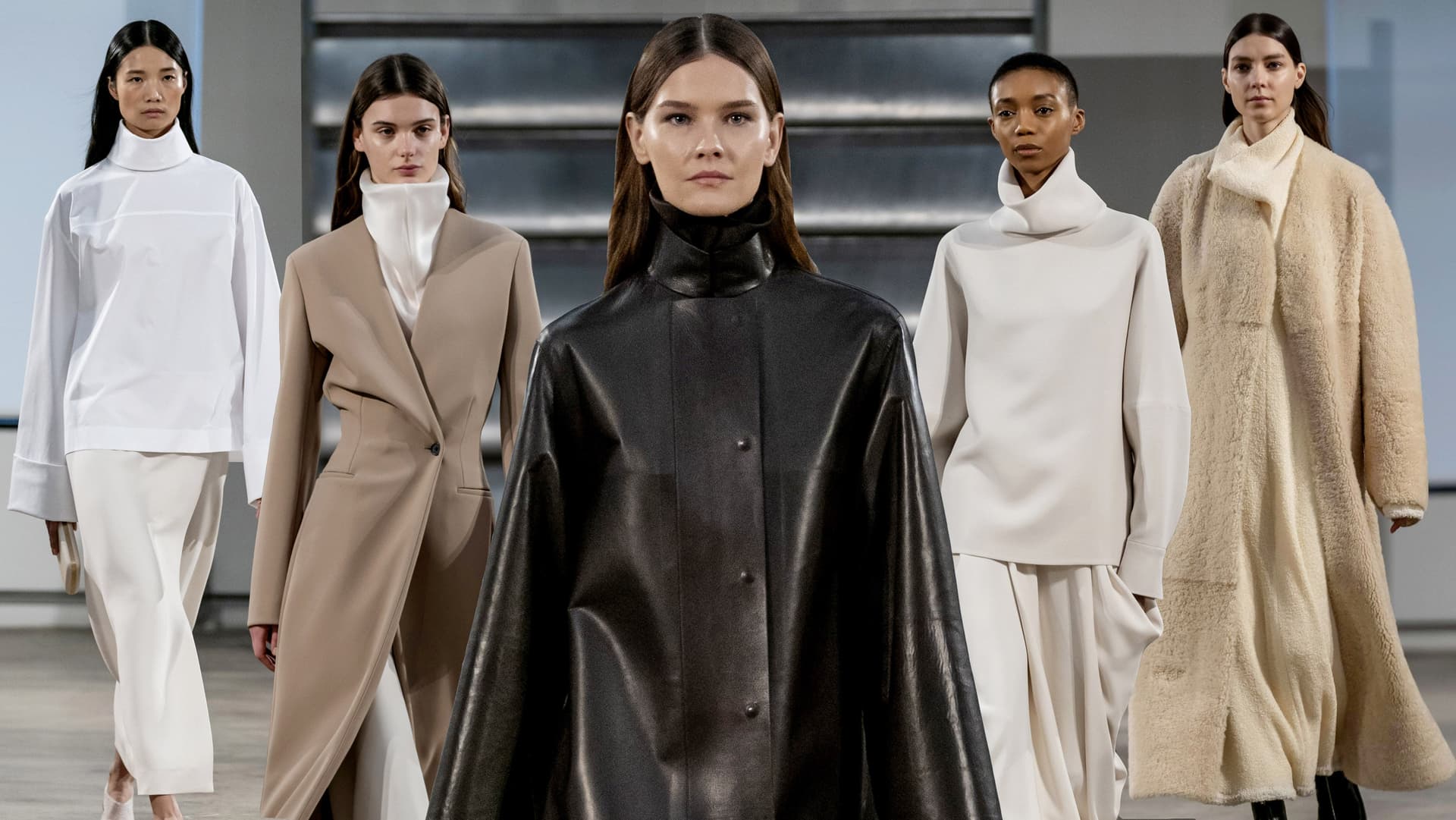
“InStyle says it best: ‘Quiet luxury represents a conscious move away from the fleeting trend cycle, emphasizing the importance of investing in classic pieces.’” That line sets the tone for the low-key reboot playing out across runways, shops and resale feeds, people want cashmere that whispers, not a billboard on a shoulder.
SocialLifeMagazine even puts numbers on it: “Market data reveals that quiet luxury focused brands like Loro Piana and The Row prioritize premium fabrics 61% more than traditional luxury brands.” Translation: this moment is less about loud logos and more about fiber provenance, weave, and fit. Below are 12 houses that are doing old-money understatement right, each one grounded in the facts the industry is already citing.
The Row
“If we're talking about quiet luxury, we simply can't overlook the brand that epitomizes it: The Row.” Founded in 2006 by Mary‑Kate and Ashley Olsen, The Row built its cult on pared‑back, ultra‑luxe tailoring and obsessive material choices. InStyle calls out its commitment to “the softest cashmere and the most supple leather,” and yes, celebrities like Jennifer Lawrence have made the brand’s discreet silhouettes a red‑carpet shorthand for wealth that refuses to shout.
Max Mara
“In the realm of quiet luxury, Max Mara reigns supreme.” Established in 1951 by Achille Maramotti, Max Mara’s reputation rests on outerwear you can feel the craftsmanship in, camel coats with precise shoulder lines, linings that slide like satin and finishes that survive a closet and a lifetime. InStyle highlights their iconic coats and the brand’s preference for subtlety, which is exactly why a Max Mara camel becomes the wardrobe’s mood‑setter rather than its logo.
Loro Piana
SocialLifeMagazine dubs it “quiet luxury’s ultimate expression.” Founded in 1924, Loro Piana built its name on sourcing vicuña, baby cashmere and proprietary wools; the magazine notes these fiber choices and the price tag that follows, “A Loro Piana cashmere blazer might run $5,000 but features no visible branding beyond a tiny interior label.” That invisibility is the point: if your cashmere drapes like a private investment, the lack of a logo is the currency.
Bottega Veneta
Bottega’s intrecciato is the textbook example of anti‑logo branding. SocialLifeMagazine describes the woven leather as creating recognition “among insiders while remaining mysterious to casual observers,” and highlights the house’s posture that “when your own initials are enough.” It’s a reminder that craftsmanship can function as a private language: people who know, know.
Hermès
Hermès appears on InStyle/AOL’s roster of quiet‑luxury pillars, the name itself evokes hand‑stitched leather, silk squares and horse‑tack provenance. While the supplied coverage lists Hermès among brands “making meticulously crafted clothes that aren't loud in design,” the brand needs no shouting, its craftsmanship and heritage do that work for it.
Brunello Cucinelli
Also named in the InStyle/AOL roundup, Brunello Cucinelli is cited alongside Hermès and Max Mara as a maker of “meticulously crafted clothes that aren't loud in design but make your style speak volumes.” Even without further detail in the excerpts, the brand’s inclusion signals the era’s appetite for refined knitwear and softly tailored pieces finished with immaculate seams rather than emblems.
Khaite
Khaite shows up in InStyle’s list and in the visual play that accompanies it, the magazine pairs its entry with street photography, including an Edward Berthelot/Getty image of Coco Bassey in New York City. That photographic context matters: Khaite is the American answer to quiet luxury, built on a modern sensibility that references classic tailoring and dresses that keep their composure off duty.
Loewe
GQ’s take on Loewe splits the brand’s history, leather heritage versus Jonathan Anderson’s more eccentric turns, and offers price‑level perspective: a shearling trucker jacket is listed at £4,800. The facts there tell two stories at once: Loewe’s leather craftsmanship still reads like heritage, but the house can veer into the weirdly modern while keeping leather as the brand’s silent signature.
Auralee
Called out in GQ for solid, unfussy pieces, Auralee’s strength is material, mohair polos, cashmere jumpers and wool trousers that carry weight without being showy. The GQ pick “Wool Max canvas riding coat” is priced at £1,199, giving a street‑level sense of the investment range for high‑quality, quiet outerwear outside the century‑old Italian houses.
Margaret Howell
Founded in 1970, Margaret Howell is the practical side of quiet luxury: unfussy cuts, functional details, and longevity. GQ highlights the brand’s MHL overhead shirt at £250, a reminder that this movement also lives in well‑made shirting and relaxed staples rather than only in three‑figure cashmere.
Nehera
Pamperherself’s Substack places Nehera in the UK & France cluster and supplies a surprising revival story: Nehera was “founded in 1930s in Czech” and has been revitalized under Samuel Drira, who brings experience from Hermès, The Row and Hugo Boss. That pedigree, legacy house plus a creative director steeped in quiet luxury, is exactly the kind of DNA that makes a brand relevant to this return.
Toteme
Listed in Pamperherself’s “New York&Scandinavia” group, toteme (spelled in the notes as “toteme”) functions here as the Scandinavian throughline: minimal, tonal and quietly directional. The Substack also sets a price expectation for these selections, “a pair of pants typically priced over 4000¥ (approximately 600$)”, which frames Toteme among brands that ask you to pay for build and fabric rather than a logo.
Closing the circle: retail and reality
The quiet‑luxury revival isn’t theoretical. Pamperherself flags the distribution reality in China, “A majority of brands don't have standalone stores in mainland China,” and points to multi‑brand stockists like Lane Crawford, Lafayette and SKP‑select, plus marketplaces where Farfetch and Net‑A‑Porter have expanded into Taobao. The practical outcome is clear: whether you buy a Loro Piana blazer or a Margaret Howell shirt, the trend is about selective investment and channels that curate, not scream.
If you want the look that lasts, these twelve labels are the blueprint: heritage houses, artisan techniques and price tags that reflect fiber and craft more than placement on a feed. The quiet luxury moment isn’t a nostalgia trip, it’s a wardrobe recalibration where texture, cut and provenance finally take the lead.
Know something we missed? Have a correction or additional information?
Submit a Tip