Signs you exude ‘old money’ style
Most 'old money' outfits on your feed are costumes. Here's a 10-second audit that separates the quietly affluent from the TikTok cast.

By 2025, Pinterest searches for "quiet luxury" had climbed more than 40 percent since the year began, and yet the aesthetic was simultaneously unraveling. What started as a nuanced design language rooted in restraint had, by the time it reached mass-market mimicry, collapsed into a visual cliché: beige worn on beige, worn on beige. The irony is almost elegant. The one style philosophy built around *not* performing wealth had become the internet's most recognisable costume.
This is your anti-cosplay audit for 2026. Run it on your outfit in ten seconds and determine whether you're signalling quiet authority or simply dressed as someone who watched too much *Succession*. Speaking of which: costume designer Michelle Matland built that entire show around the distinction. Kendall Roy's wardrobe works because every piece fits as though it were made for him, because, within that world, it was. Tom Wambsgans wears things that are equally expensive and entirely unconvincing. In Season 2, Episode 6, a Moncler logo appears at his chest. That single detail tells you everything about the difference between inhabiting old money style and auditioning for it.
Fit is the only non-negotiable
Nothing else on this list matters if the fit is wrong. A $6,000 cashmere coat with a sagging shoulder reads as less refined than a $90 thrifted blazer that has been properly tailored. The distinction old money dressing makes is not between expensive and cheap; it is between considered and unconsidered.
The alterations that move the needle most are also the least dramatic: sleeves shortened to sit at the wrist bone, trousers breaking once over the shoe and no more, a subtle suppression at the waist that shapes the silhouette without pulling the fabric. If a thrifted blazer fits across the shoulders, a competent tailor can handle the rest for well under £100. That is the fastest upgrade in this entire checklist, and it does not require buying anything new.
The fabric hand test
Run your fingers across the surface of what you are wearing. Old money fabrics have weight and warmth: wool, cashmere, silk, linen, suede. They drape with authority. Fast-fashion versions of the same aesthetic use polyester blends engineered to photograph well and disintegrate within a season. The hand test takes two seconds and is honest in a way price tags are not.
Natural fibres are not a luxury affectation. Cashmere breathes, linen improves with age, heavy wool holds a press. They also repay investment in a way synthetics cannot: a well-kept Shetland sweater or a mid-weight flannel trouser compounds in character over years of wear, which is precisely the point. In 2026, affluent buyers are increasingly treating a single well-made coat as more economical than multiple trend-led pieces that date within twelve months.
What still reads as quietly affluent
The signals that retain their authority in 2026 are the ones that cannot be easily replicated from a product page:
- A single heirloom-scale jewel worn with low-effort hair. One piece of real or heirloom jewellery (a pearl stud, a slim signet ring, a narrow gold chain with provenance) reads as effortless in a way that a curated stack of trend jewellery does not. The volume of the jewellery should be inverse to the effort of the hair. Pull hair back loosely, add one meaningful piece, and stop there.
- Muted, well-fitted outerwear. A coat that fits the shoulders and falls cleanly at the hem communicates more than any colour or label. The palette (camel, navy, charcoal, ecru) is less important than the structure. The old money outerwear test: does it look as good in motion as it does stationary?
- Investment footwear with visible care. Shoes tell the story that clothing sometimes obscures. Clean, polished leather with maintained heels and unscuffed toes signal the kind of sustained attention that defines old money sensibility. A shoe care kit used regularly is, in practical terms, worth more than a new pair purchased to replace neglected ones.
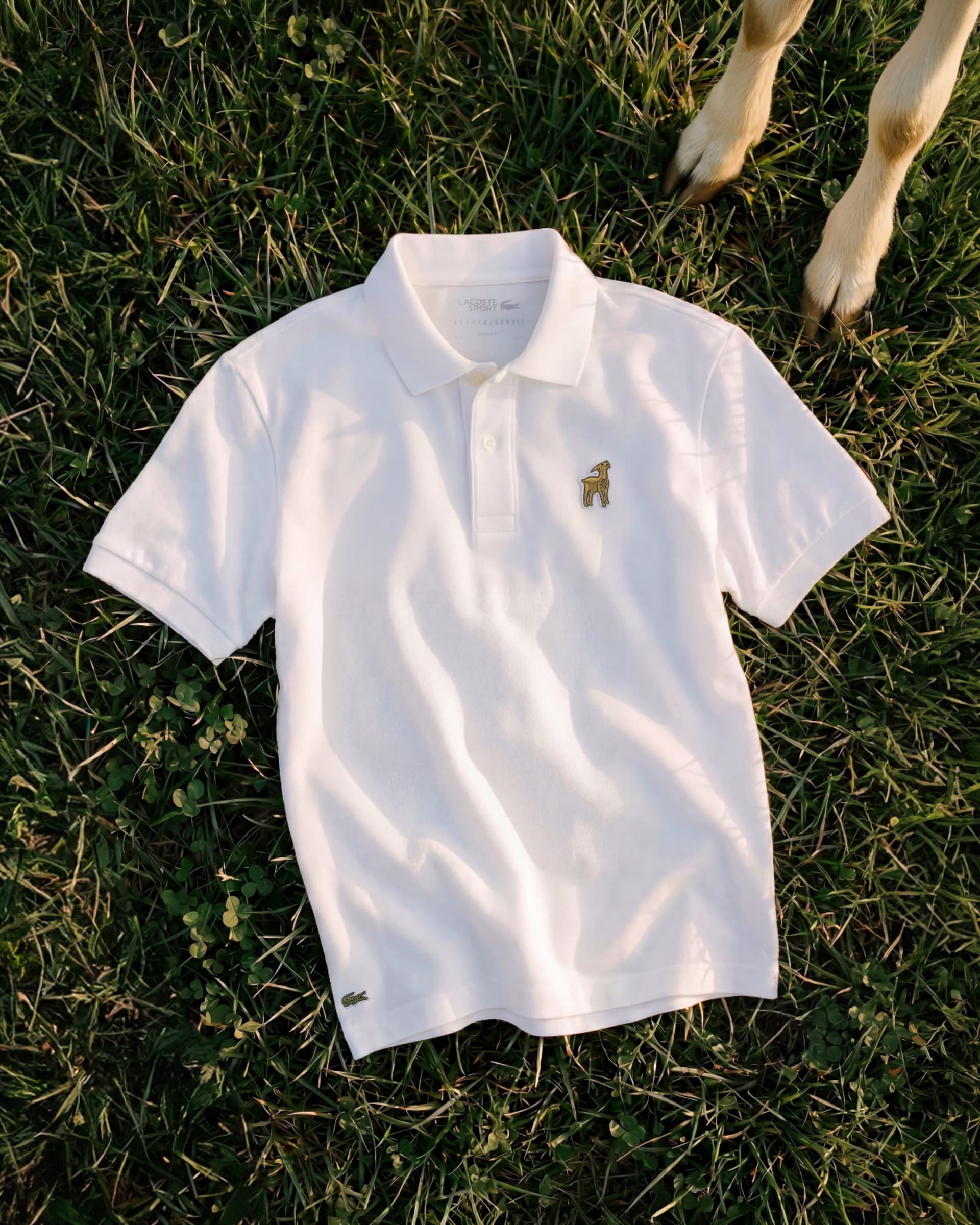
- Restraint in hardware. Visible logos, oversized buckles, and branded closures belong to a different register entirely. Old money hardware is understated: a brass buckle on bridle leather, a slim clasp on a structured bag, nothing that announces itself from across the room.
- Re-worn classics with visible history. A blazer that has been dry-cleaned many times, a coat with the particular drape of something lived in, shoes that show age without showing neglect: these carry a credibility that newness cannot manufacture. Wearing quality things repeatedly is the point, not a workaround.
What now reads as TikTok costume
By late 2025, search interest in oversized blazers had fallen by 30 percent as editorials noted the pivot toward refined structure. The broader shift reflects a deeper problem: when every brand produces the same billowing blazer in oatmeal, the silhouette loses its meaning. Quiet luxury, processed through fast fashion's supply chain, becomes a parody of its own premise.
Watch for these specific tells:
- The head-to-toe neutral uniform. Beige coat, cream knit, ecru trousers, ivory trainers: the total absence of contrast is now the aesthetic equivalent of a logo. Truly understated dressing allows for one element of warmth or accent without becoming a mood board.
- Visible 'quiet luxury' branding. Purchasing a recognisably logo-free Totême or Cos piece as a shortcut to the look is fine; wearing it as a signal is the issue. The point was never to buy into the right minimalist brands. The point was never to signal at all.
- Hardware-heavy 'minimalist' bags. A bag with a single enormous gold clasp or chain is not understated. Structured leather totes and canvas holdalls with leather trim are the functional form of this category: chosen for what they carry, not what they communicate.
- Overdone coordination. Old money dressing has always had a quality of slight mismatch, of pieces assembled rather than curated: a vintage brooch on a contemporary coat, a grandmother's scarf knotted around a modern bag. When every element of an outfit is on-theme and obviously considered, it reads as costumery rather than lived-in character.
The palette audit
Old money colour runs muted and seasonless: navy, camel, forest green, ivory, burgundy, grey flannel. These tones work because they read as rooted in British countryside dressing, Ivy League heritage, and equestrian tradition rather than in any particular trend cycle. They also age well, both on the body and in photographs taken a decade apart.
If your current wardrobe skews too obviously toward the approved palette, the quick fix is not to add more of it but to break it deliberately. One item in an unexpected but considered tone (a hunter green rather than olive, a proper burgundy rather than terracotta) signals that the palette is instinctive rather than assembled from a lookbook.
The ten-second check
Stand in front of a mirror and run through these in order:
1. Do the shoulders of your jacket or coat sit exactly at your shoulder? If not, tailoring is the first fix.
2. Can you identify the primary fabric by touch? If it reads synthetic, it will read synthetic to others.
3. Are you wearing more than one piece of branded or logo-visible hardware? Remove one.
4. Is the jewellery at scale with the outfit, or is it trying to compensate for something? Reduce to the most meaningful piece.
5. Are your shoes clean, polished, and in good heel condition? If not, that is the single fastest visual upgrade on this list.
The deepest truth of old money dressing is that it has never been about acquisition. It is about the accumulated authority of things used well over time. That is precisely what TikTok cannot flatten into a trend, and what no product drop can replicate in a season.
This article was produced by Prism’s automated news system from verified source data, official records, and press releases, then run through automated quality and moderation checks before publishing. The system is built and supervised by the people who set the standards it runs under. Read our full AI policy.
Did this article answer your question?