The Official Preppy Handbook shaped old money style language
The Official Preppy Handbook turned prep into a code, and today’s old money look only keeps the signals that still read as access, lineage, and ease.
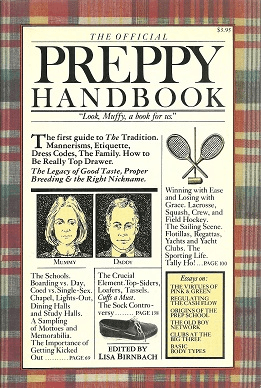
Published in 1980 at $3.95, *The Official Preppy Handbook* sold more than a million copies and made collar-popping Lacoste, boarding-school polish, and WASP social codes legible to anyone paying attention.
How the handbook taught the code
Lisa Birnbach edited *The Official Preppy Handbook* with Jonathan Roberts, Carol McD. Wallace, and Mason Wiley, and the whole thing worked because it understood prep as social language, not just clothing. The book mapped the old-boy network, boarding schools, the WASP social code, and the funny, accurate vocabulary that made the style feel like a system instead of a mood board.
It gave names to the posture as well as the clothes, including Locust Valley Lockjaw, that clipped, polished, socially disciplined affect that can read as money before a single logo shows up. It was not a dead snapshot of East Coast manners but a living manual for a particular kind of social performance.
Birnbach’s own site keeps the joke alive with the line, “Over thirty years later and still no botox.”
The original prep wardrobe was a uniform with a wink
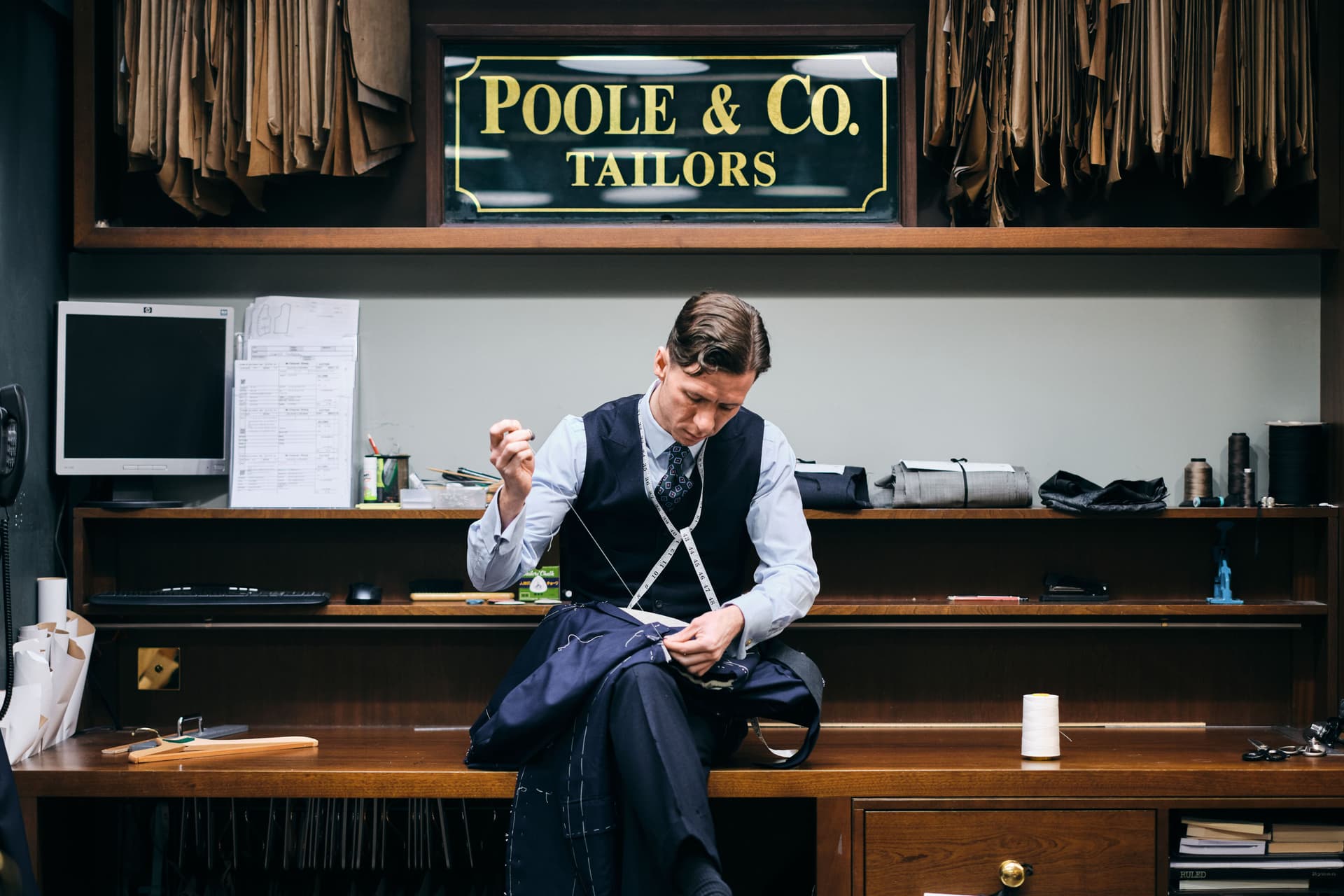
The handbook canonized a wardrobe that looked polished without looking needy. A navy blazer with brass or gold buttons, an oxford cloth shirt, a cable-knit sweater, khakis, a repp tie, loafers, saddle shoes, and pearls all belong to the same visual language. None of it screams wealth. It says leisure, discipline, and familiarity with rooms where nobody needs to prove anything.
- Navy blazers and brass buttons read as institution, not novelty.
- Oxford cloth shirts and cable knits bring in texture, the kind that feels worn in and correct.
- Khakis and repp ties keep the silhouette orderly, almost school-like.
- Loafers, saddle shoes, and pearls bridge menswear, campus polish, and country-club ease.
- Horsey and sailing references do what luxury logos cannot: they imply a life built around clubs, boats, and summers, not just purchases.
The best old prep never looked expensive in a loud way. It looked approved. Even the famously cheeky “go-to-hell pants” fit that logic. They were a rebellion inside the code, not a rejection of it.
What still reads as status in 2025
The current old money aesthetic keeps the parts of prep that still signal access and drops the parts that feel costume-y. Loud logos are out. Fit, fabric, and ease are in. Substantial cotton poplin, breathable linen, cashmere, polished leather loafers, and tailoring that looks inherited rather than newly bought all carry more weight now than any branded monogram ever could.

Old money fashion relies on context, not just neutral colors or expensive clothes. A blazer looks different when it suggests a summer house, a private club, or an inherited wardrobe that has already been worn for years. The same jacket on a feed full of algorithm-ready beige can look like cosplay if nothing else around it tells the story.
The old-money look diverges from the broader preppy revival. Prep was always explicit, almost instructional. The modern aesthetic is flatter, cleaner, and more curated, but the strongest cues still come from the same source material: restraint, good cloth, and a body language that never seems rushed.
What got remixed, and what got flattened
Thirty years after Birnbach wrote the book, hip-hop had turned the pink polo from a cornball staple into a high-fashion perennial, and labels had grown from tiny tasteful characters into ostentatious symbols. Prep did not stay frozen in the handbook. It kept getting borrowed, upgraded, mocked, and sold back in different forms.
The $3.95 original now carries collector energy, with copies trading for hundreds of dollars. The object itself became part of the same status economy it once decoded.
The modern old-money aesthetic borrows the silhouette but often loses the social grammar. A pearl necklace, a boat shoe, or a navy blazer can still look right, but only if the rest of the outfit feels lived in, not assembled for a grid.
This article was produced by Prism’s automated news system from verified source data, official records, and press releases, then run through automated quality and moderation checks before publishing. The system is built and supervised by the people who set the standards it runs under. Read our full AI policy.
Did this article answer your question?