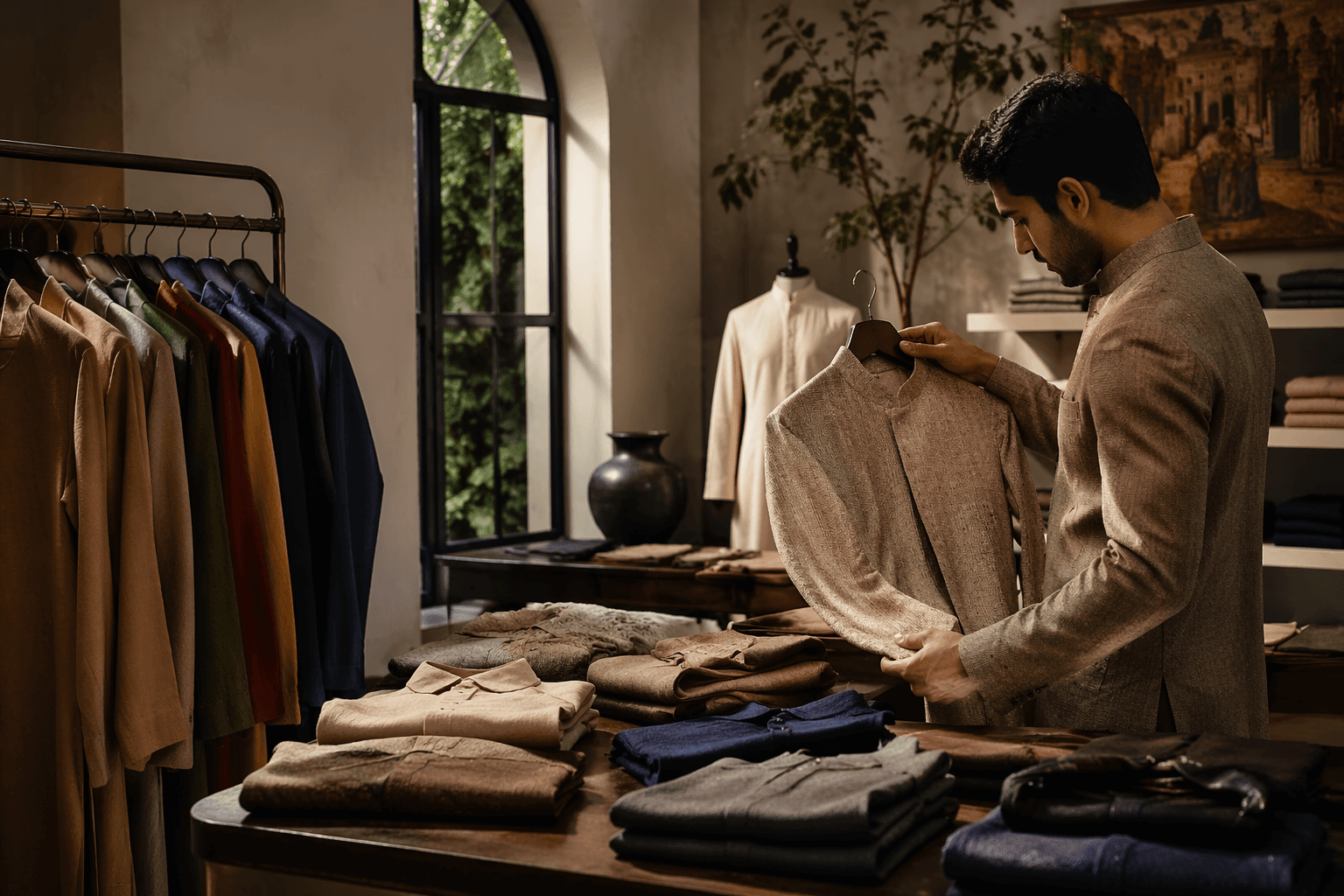
Voyage returns as old money boho inspiration for TikTok shoppers
Voyage is back in the moodboards, but its real power was never just boho clothes. It was access, scarcity and social proof.
Voyage was never just a look
Voyage is back in the conversation because TikTok has rediscovered boho chic, but the original power of the Chelsea boutique was never just the clothes. It was the feeling that you had to be invited into the room, and that is the part archive shopping cannot copy.
Founded in 1991 by Louise and Tiziano Mazzilli, the Fulham Road shop became a kind of private stage set for a very specific London fantasy. The formula was ribbon-trimmed cardigans, one-off handmade pieces and a theatrical, embellished boho attitude that looked luxurious because it refused to be casual. In a decade drifting toward grunge and minimalism, Voyage felt louder, rarer and more socially loaded than the clothes around it.
The original flex was access
Voyage’s status came from the door as much as the rack. The boutique ran a members-only, or privilege-card, policy that turned shopping into an audition, and some of the era’s biggest names were reportedly turned away, including Madonna, Naomi Campbell and Julia Roberts. That kind of exclusion is exactly what today’s archive culture cannot recreate, because the resale market can sell the garment but not the gatekeeping.
The celebrity orbit mattered, too. Kate Moss, Gwyneth Paltrow, Cher, Nicole Kidman, Goldie Hawn, Tom Cruise, Jade Jagger, Jemima Khan and Britney Spears were all linked to the brand, and that roster gave Voyage the kind of instant shorthand that fashion brands spend decades trying to manufacture. When a place is whispered about in that company, the clothes stop being just clothes. They become a passport.
Why the clothes read as old-money boho, not festival fluff
The thing that separates Voyage from the boho content flooding TikTok is the discipline behind the fantasy. The shop’s pieces were overtly handmade and heavily styled, with ribbon trims, embroidery and a visibly crafted finish that made the whole operation feel more salon than boutique. Isabella’s Wardrobe says the clothes were individually handmade in England, and that detail matters because it explains why the label felt so rare and so expensive.
Voyage also sat far above ordinary luxury pricing. One report put pieces at about £1,000 to £90,000. Another said jeans were £1,850 and dresses £500. Isabella’s Wardrobe cites men’s jeans at £1,650 and an embroidered coat at £3,000. That scale tells you everything: this was not relaxed bohemian dressing for a nice weekend away. It was boho as a status code, with enough price shock to make the aesthetic itself feel dangerous.
Why the brand hit in the 1990s
Voyage landed because it offered the opposite of the decade’s cleaner instincts. Grunge made luxury look sloppy in a useful way, while minimalism stripped things back to sharp lines and quiet surfaces. Voyage pushed in the other direction, layering texture, decoration and personality until the clothes looked like they had a social life before they had a hanger.
That is what modern archive shoppers keep reaching for when they talk about “boho chic.” They want the looseness, the romance, the sense that a garment has moved through rooms with stories attached to it. But what they usually miss is that Voyage’s glamour was never rustic or anonymous. It was polished, expensive and deeply social, the sort of fashion that signaled you knew where to go and who to know.

The collapse, and why it still matters
By early 2002, Voyage went into liquidation. Debts were reported at around £3 million, though Rocky Mazzilli later said the figure was closer to £600,000 and blamed rising rents, a second shop lease and the post-9/11 slowdown. However you slice the numbers, the fallout shows how hard it is to sustain a business that depends on theatrical exclusivity when the market shifts under it.
The brand’s ending is part of why its image remains so potent now. The most mythologized labels rarely survive in their purest form, and Voyage’s disappearance only sharpened the legend. Once the original room is gone, the archive starts to feel like a treasure hunt, and that is exactly the emotional fuel behind today’s resale obsession.
The Conduit Street relaunch changed the whole game
Voyage did not just vanish. In 2002, Tatum and Rocky Mazzilli reopened it at 50 Conduit Street, in a 2,800-square-foot flagship spread across two floors. WWD described the launch like a film premiere, complete with a cinema-sized marquee and Oscar statues, which is exactly the kind of theatrical repositioning that makes sense for a brand built on spectacle.
The relaunch also marked a decisive shift in tone. The old door policy was over, and the family was talking about a business with a claimed global volume of $30 million to $40 million, alongside plans for diffusion, swimwear, lingerie, knitwear and jeans. That move makes Voyage even more useful as a case study, because it shows the difference between a cult and a company. A cult trades in scarcity. A company eventually tries to scale the fantasy.
What TikTok can borrow, and what it cannot
TikTok can copy the silhouette language of Voyage all day long. It can find ribbon trims, embroidered coats, soft cardigans, weathered denim and pieces that look like they were pulled from a Chelsea wardrobe with a very expensive private life. It can even rebuild the mood board, from boho romantic to anti-logo luxury.
What it cannot reproduce is the original ecosystem that made Voyage mean something. The real signal came from Fulham Road, from the privilege-card door, from celebrity traffic, from the shock of prices that made the clothes feel as exclusive as jewelry. Archive shopping can get you the garment. It cannot give you the social choreography that turned a boutique into a status machine.
That is why Voyage still feels sharp now. It was old-money boho before the internet flattened the phrase into a trend tag, and it understood something fashion keeps relearning: exclusivity is not just about rarity, it is about the room where rarity is recognized.
This article was produced by Prism’s automated news system from verified source data, official records, and press releases, then run through automated quality and moderation checks before publishing. The system is built and supervised by the people who set the standards it runs under. Read our full AI policy.
Know something we missed? Have a correction or additional information?
Submit a Tip