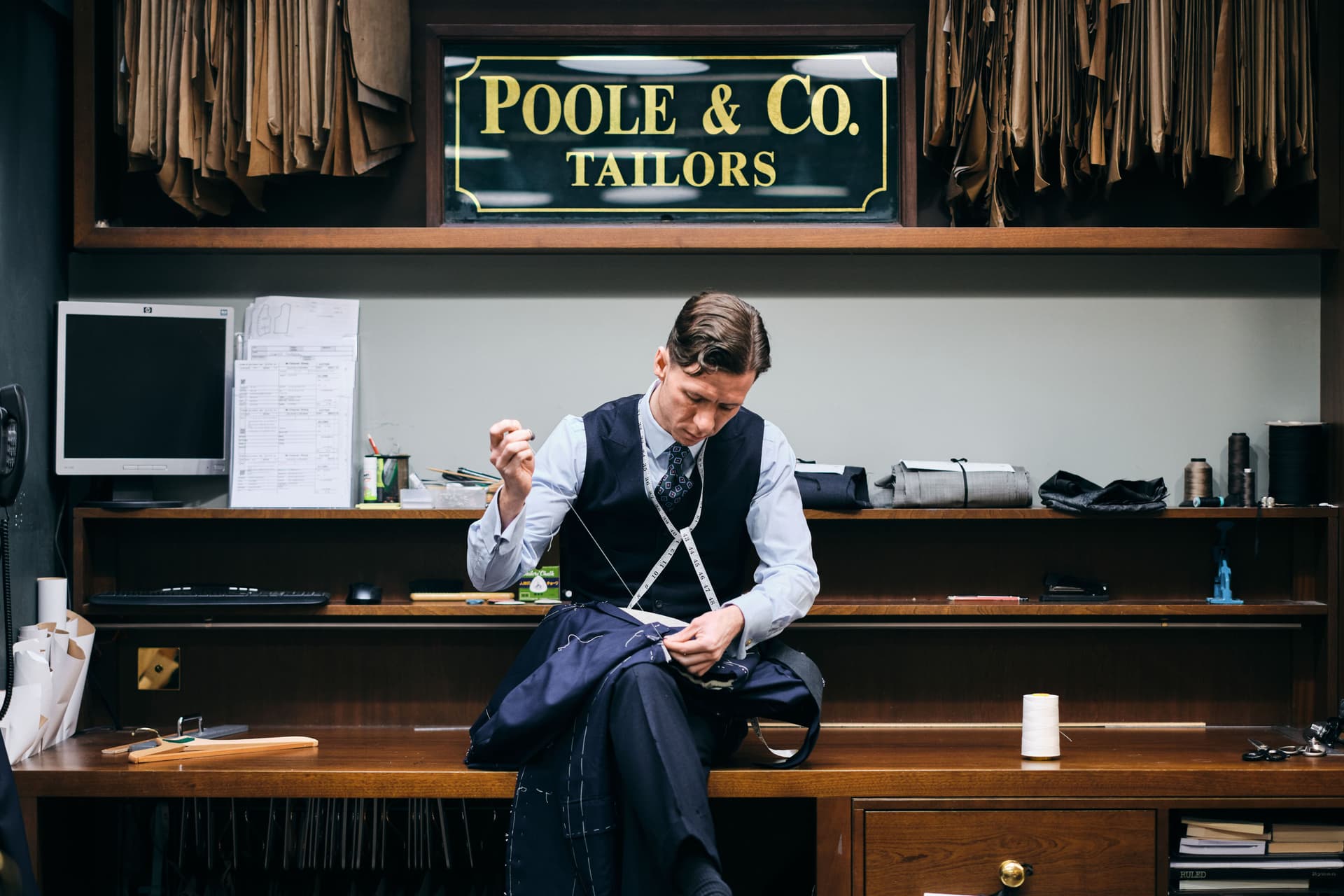
Why Harris Tweed defines old-money style with lasting function
Harris Tweed is old-money style you can actually verify: a law-governed cloth from the Outer Hebrides, built to wear, repair, and outlast fashion.
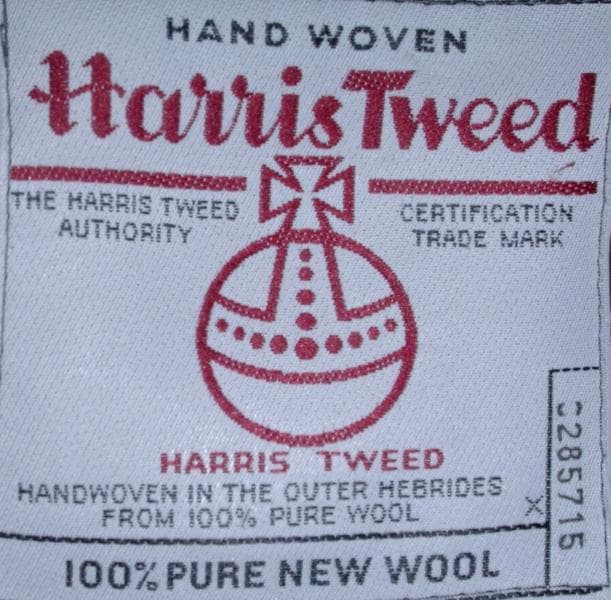
The Harris Tweed Act 1993 defines the cloth with unusual precision: it must be handwoven by islanders in their homes in the Outer Hebrides, finished in the Outer Hebrides, and made from pure virgin wool dyed and spun in the Outer Hebrides. The language of “heritage” gets thrown around endlessly in fashion, but this cloth has a legal definition, a protected certification mark, and a place of origin that cannot be faked without crossing into infringement.
What makes Harris Tweed different
The Harris Tweed Authority exists to promote and maintain the authenticity, standard and reputation of the cloth, and the Orb label is the visual guarantee that the piece meets that standard.
The cloth’s heritage is specific, not vague
The history behind Harris Tweed is anchored in named places and dated milestones. A major turning point came in 1846, when Lady Dunmore, widow of the Earl of Dunmore, had the clan tartan replicated by Harris weavers in tweed and then began marketing the cloth to her wealthy friends further afield.
By 1906, a meeting in Stornoway was discussing a system of inspection and stamping to give confidence to trade and the public. In 1909, the Harris Tweed Association Limited was formed to register the Orb and Maltese Cross with the words Harris Tweed underneath as a trademark, and the certification mark was registered in 1910.
Why it reads as old-money wardrobe material
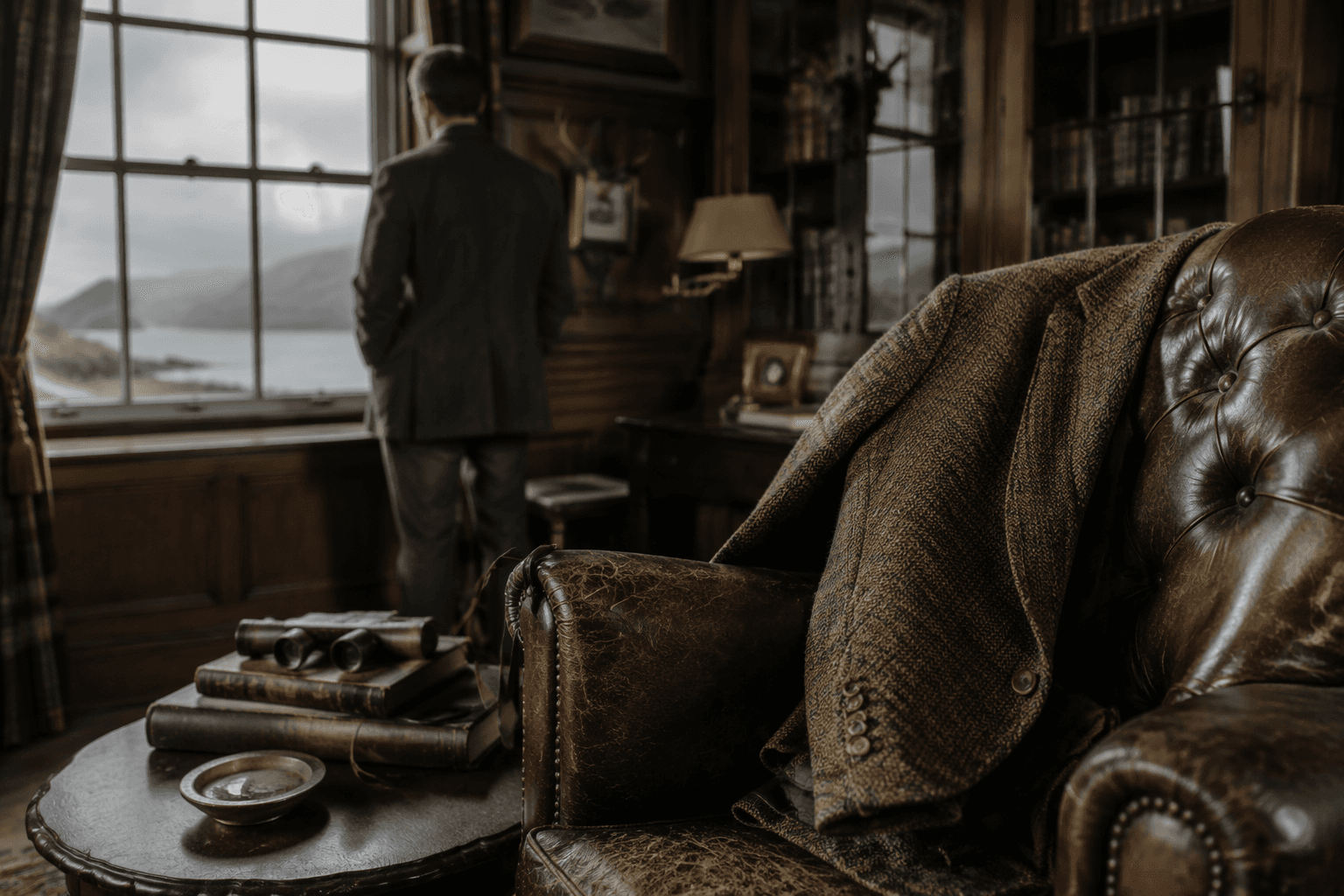
The cloth is 100% pure new wool, warm in winter and cool in summer, resistant to water and wear, easy to clean, and repairable. Those are the properties that matter when a jacket is meant to live in a wardrobe for years, not disappear after one season of trend dressing.
Harris Tweed sits naturally in country-house dressing, equestrian looks, academic tailoring, and the kind of aristocratic wardrobes that prize longevity over novelty. A Harris Tweed jacket has structure without fuss, texture without fragility, and enough heft to make a blazer feel like an object with presence. It looks right over flannel trousers, knitwear, riding boots, or crisp shirting because the cloth itself already carries the visual weight of the setting.
How to read the cloth before you buy
The first thing to look for is the Orb label. That mark is the clearest visual guarantee that the cloth meets the statutory definition and the authority’s brand rules.
Then check the fabric itself. Harris Tweed should feel substantial, slightly dry to the touch, and visibly variegated, with the sort of color depth that comes from wool spun and dyed in the Outer Hebrides. It should not look slick or synthetic, because the appeal is in the texture: a dense, weather-ready surface that can handle real wear.
A useful way to think about it:
- The cloth should feel rugged, not flimsy
- The weave should show character, not plastic shine
- The piece should invite repair, brushing, and repeated use
- The value lies in longevity, not novelty
Why the industry still depends on the islands
A 2026 Socio-Economic Impact Assessment of the Harris Tweed Industry estimates that the industry supports approximately 328 jobs in the Outer Hebrides. That assessment was prepared for the Harris Tweed Authority, Highlands and Islands Enterprise and Comhairle nan Eilean Siar, and it includes the mills, weavers, artisans, tourism, population retention, and the future of the industry.
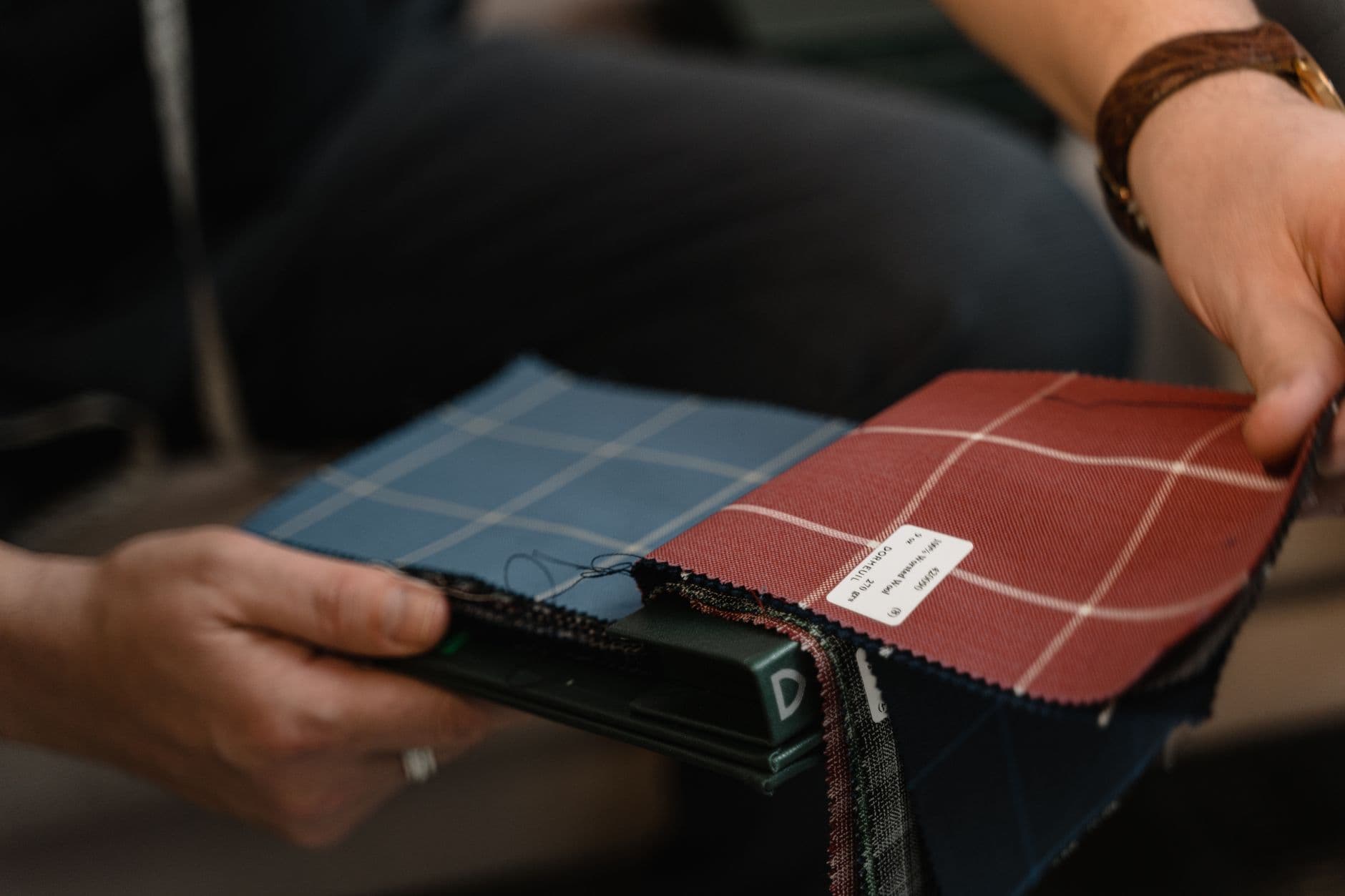
Its production sustains a living craft economy across Lewis, Harris, Uist and Barra, islands long recognised for the excellence of their weaving.
How to wear it without making it feel theatrical
The trick is to let Harris Tweed do what it already does best: bring texture, gravity, and a little weathered formality to a look. A tailored jacket in this cloth reads as sharp when paired with fine knitwear, pressed wool trousers, or a clean Oxford shirt. It also works with softer pieces, because the weave itself provides enough structure to stop the outfit from collapsing into generic countryside dressing.
Treat it as an investment fabric, not a seasonal prop. Brush it after wear, store it properly, and use the fact that it can be repaired rather than replaced.
This article was produced by Prism’s automated news system from verified source data, official records, and press releases, then run through automated quality and moderation checks before publishing. The system is built and supervised by the people who set the standards it runs under. Read our full AI policy.
Did this article answer your question?