Why pleated trousers define old-money tailoring and comfort
Pleats are the quiet engineering behind old-money trousers: they give fuller cuts room to move, keep the front clean, and make classic tailoring sit correctly.
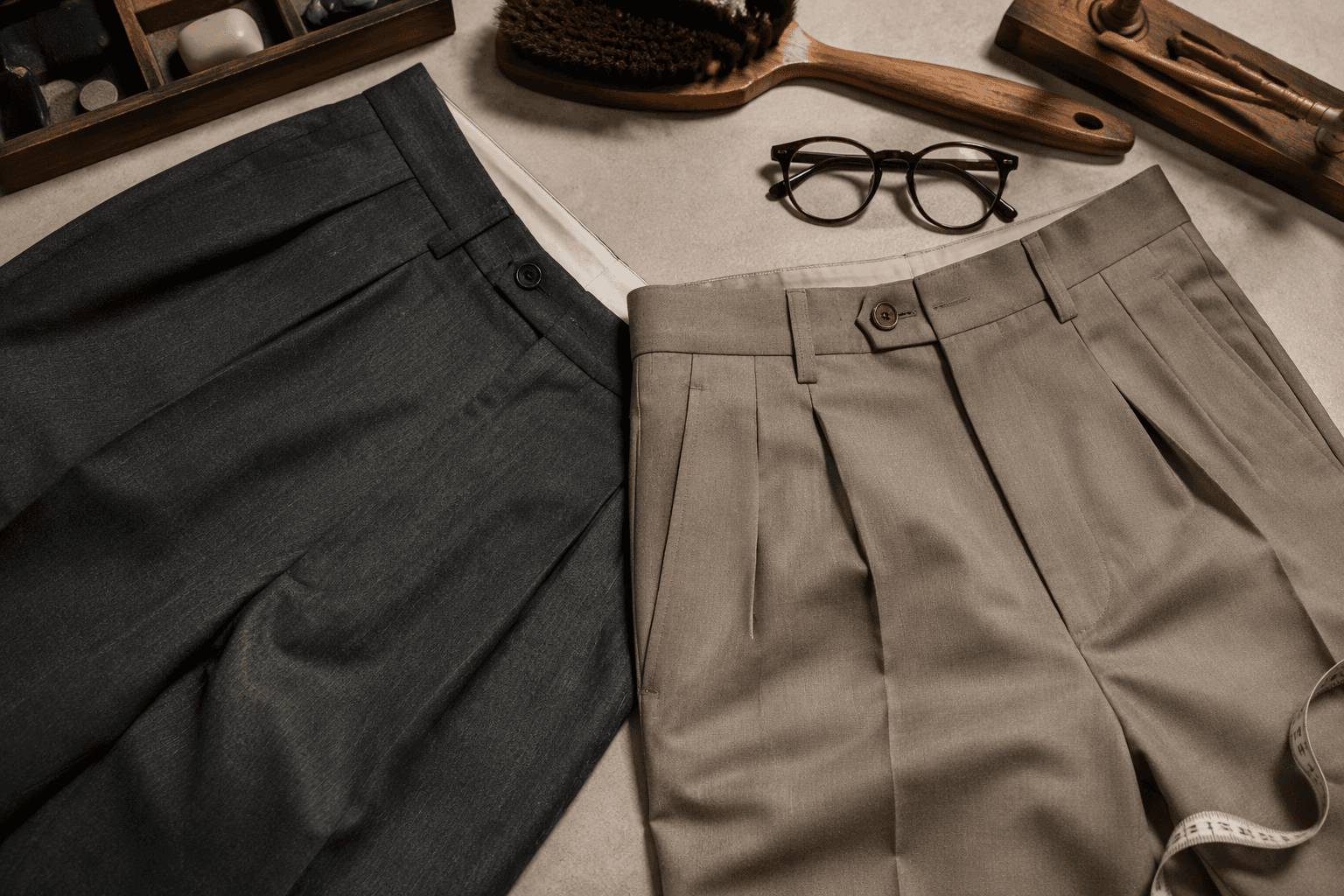
A pleated trouser sits cleanly through the seat and upper thigh in a way a flat front often cannot. Pleats are a technical decision, not decorative nostalgia, because they let a higher-rise, fuller-cut trouser fall with control rather than stiffness. That is why pleated trousers keep showing up with navy blazers, cashmere crewnecks, polo shirts, and loafers.
The shape of restraint
Old-money style is often described as relaxed, but that is too vague. The better description is controlled volume: enough cloth to move, enough structure to keep the silhouette composed. Pleats do the work of creating that balance because they give the trouser room where the body needs it most, then allow the front of the leg to hang with a cleaner line.
That is why pleated trousers look most convincing when the rest of the outfit is equally disciplined. A soft jacket, side adjusters, a higher rise, and a carefully chosen shoe all support the same idea: the trouser should drape, not cling. The result is a cleaner line without a tight fit.
Why the pleat changes the silhouette
The practical value of pleats is simplest to see at the hips and upper thigh. In tailored trousers, that extra ease reduces pulling across the front and lets the fabric fall in a more natural way, especially when the wearer is seated or moving through a full day.
Pleats also change the way light moves across the cloth. A flat front can look severe on a fuller cut, while a pleated front introduces a little depth before the leg opens out. That is why pleats are strongest in trousers with enough drape to handle them, and why they often look better with a jacket than with a T-shirt, where the whole silhouette needs the jacket’s structure to feel deliberate.
Forward pleats, reverse pleats, and the line down the leg
The direction of the pleat matters more than most people realize. Forward pleats fold toward the fly, while reverse pleats fold away from it, and the difference changes the shadow line across the front of the trouser. One reads flatter and more contained, the other more dimensional and sculpted.
That detail gives you real control over how formal or architectural the trouser feels. If you want the old-money look to appear calm and precise rather than costume-like, this is where the decision gets made: in the fall of the cloth and the leg’s vertical line.
From the 1920s to Savile Row
Pleats were once normal, not eccentric. The 1920s were a decade of fuller tailoring, which pushes back against the modern assumption that classic menswear was always trim and close to the body. Pleated trousers fit comfortably into that older tradition of practical fullness.
Men later shifted away from fuller tailoring, and pleats have drawn renewed curiosity in the years since. Once you have lived through the ultra-slim era, the return of a pleated trouser feels like a correction in proportion, not a fashion stunt.
Huntsman Savile Row presents its men’s tailored trousers as suitable for business, travel, and everyday wear. Apsley Tailors’ 2024 bespoke-trouser guidance puts fit, comfort, and proportion at the center of construction.
How to wear pleated trousers now
Pleats work best when the rest of the outfit respects the same discipline. They are especially strong with higher-rise trousers and fuller cuts because they preserve drape and avoid pulling across the hips.
A few rules make the look sharper:
- Choose pleats when the trouser has enough cloth to fall properly at the thigh and knee.
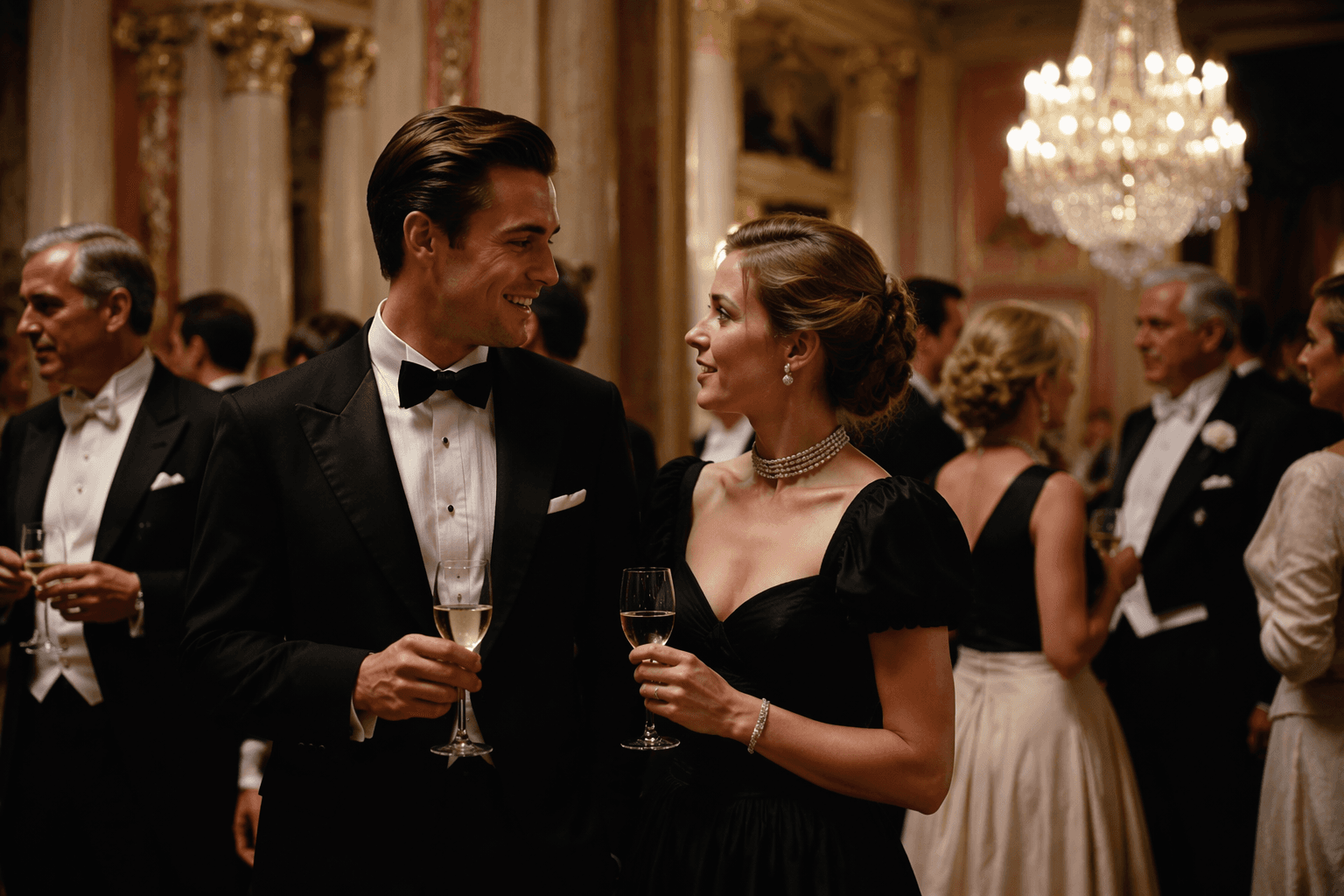
- Pair them with softer jackets, navy blazers, or knitwear that has body, such as a cashmere crewneck.
- Let the rise sit higher on the waist so the trouser can lengthen the leg instead of crowding it.
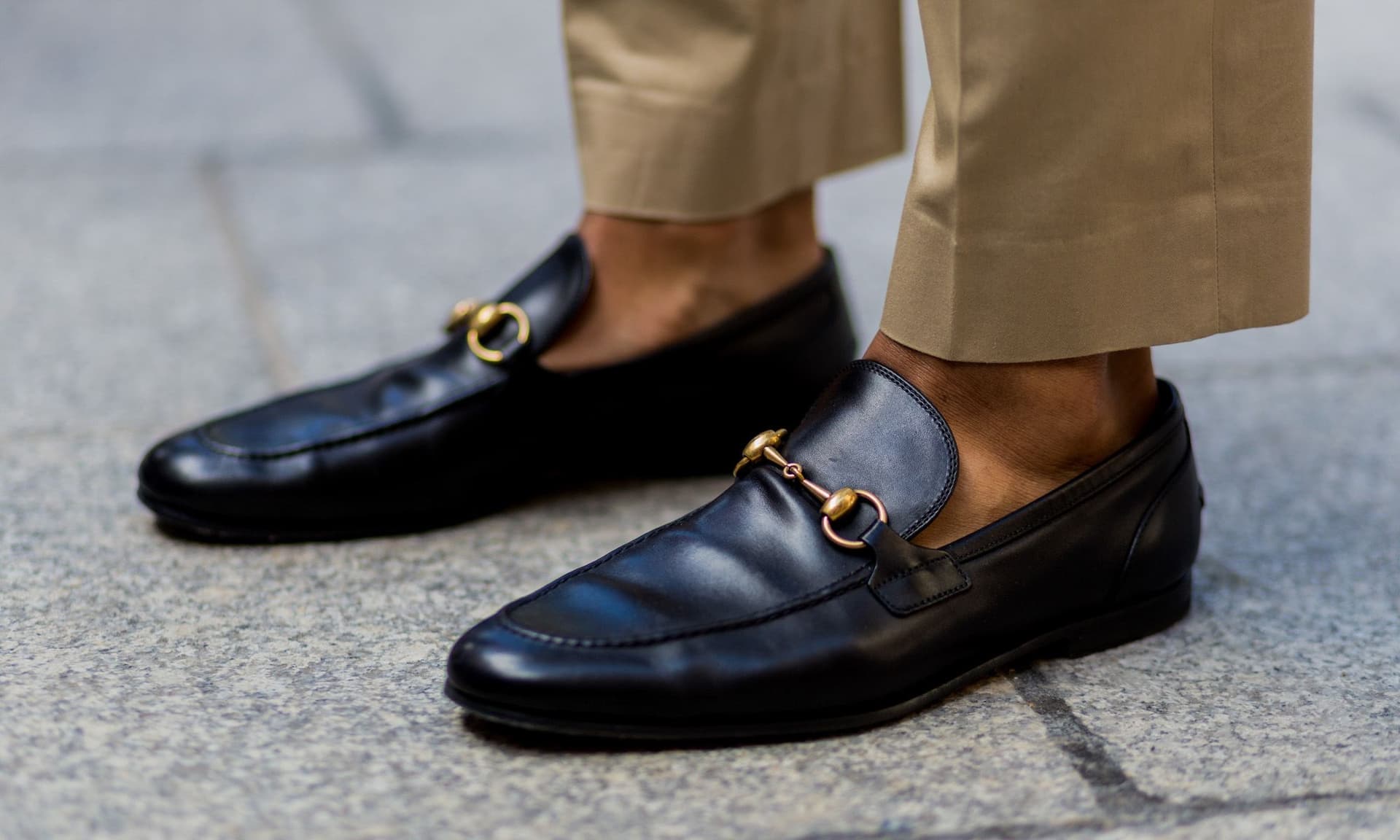
- Keep the shoe classic, with loafers being one of the cleanest companions to the shape.
- Use pleats when you want comfort without giving up line, especially in trousers intended for long wear.
Whitcomb & Shaftesbury’s custom pants focus on Savile Row-style precision and exacting fit.
This article was produced by Prism’s automated news system from verified source data, official records, and press releases, then run through automated quality and moderation checks before publishing. The system is built and supervised by the people who set the standards it runs under. Read our full AI policy.
Did this article answer your question?