How petite mothers of the bride can look taller in formalwear
The shortcut is proportion, not just a shorter hem. A clean column, a raised waist, and the right neckline can make a petite mother of the bride read taller in photos.
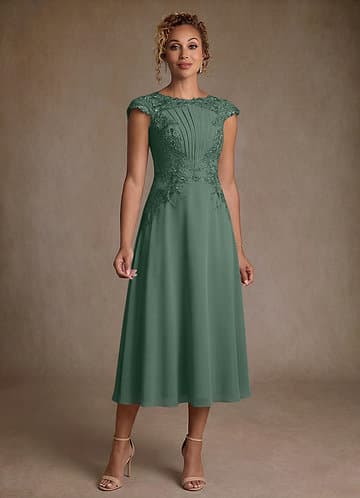
An inch or two of extra length can swamp a petite mother-of-the-bride dress before the ceremony even begins. On a shorter frame, the bodice, waist, and skirt have to line up cleanly; Azazie’s February 3, 2026 guide on looking taller focuses on that exact problem.
Why petite formalwear is about proportion, not size
Merriam-Webster defines petite clothing as clothing sized for short women. A 2026 style guide snippet puts that as 5'3" and under, with shorter sleeves, hemlines, and adjusted waist and hip placement. In formalwear, an off-kilter waist or overlong torso reads instantly in photos. A dress can close perfectly in the back and still flatten your frame if the bodice hangs too low or the skirt starts too late.
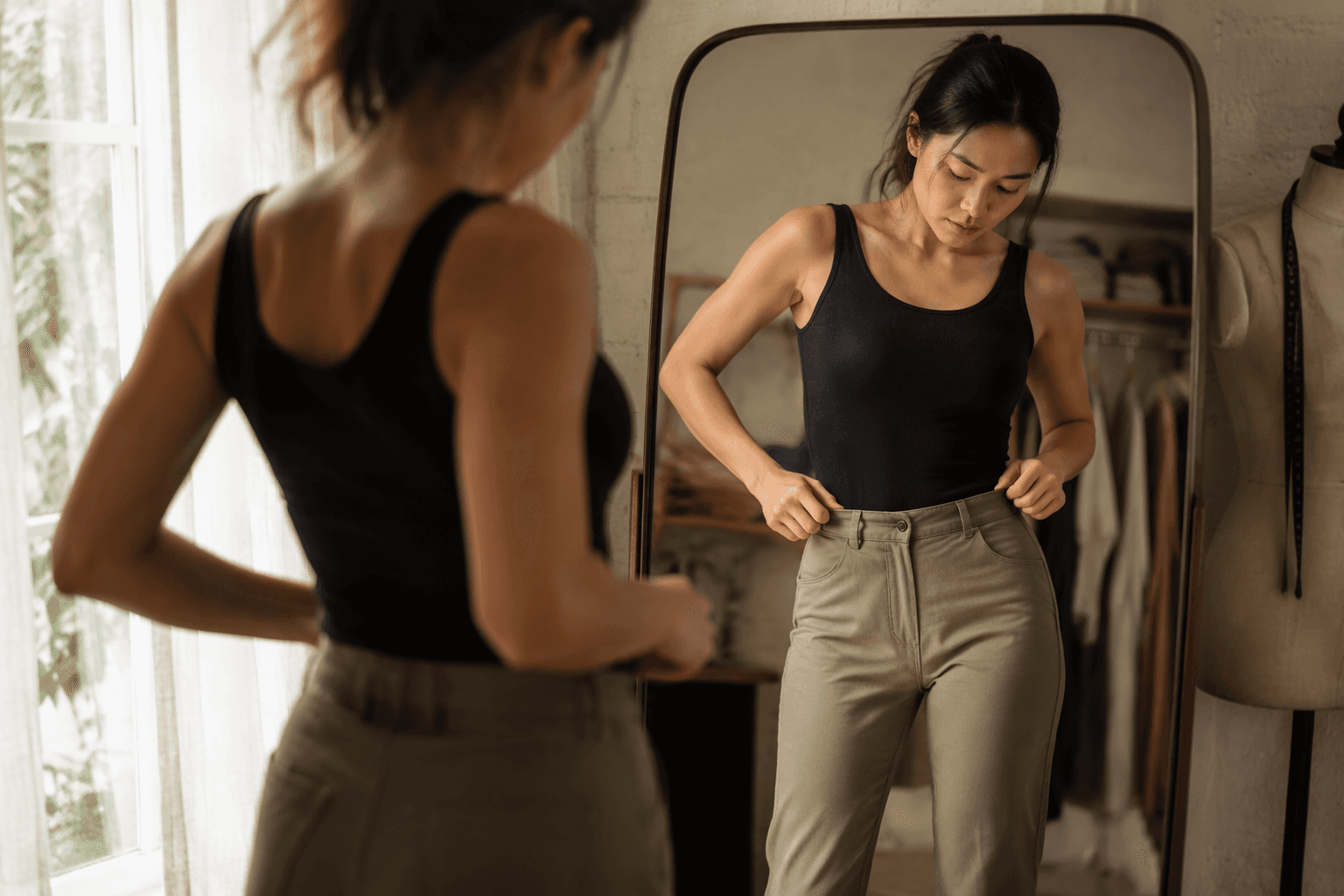
From the pattern side, Sewdirect’s petite label is not only about smaller overall size, but about easy fold lines that shorten pattern pieces in the right places. The Last Stitch’s 2018 petite alteration tutorial warns not to shorten only at the hem unless the garment has straight side seams. For a mother-of-the-bride dress, the length has to come out where the body actually needs it, not just at the bottom like an afterthought.
The silhouettes that do the heavy lifting
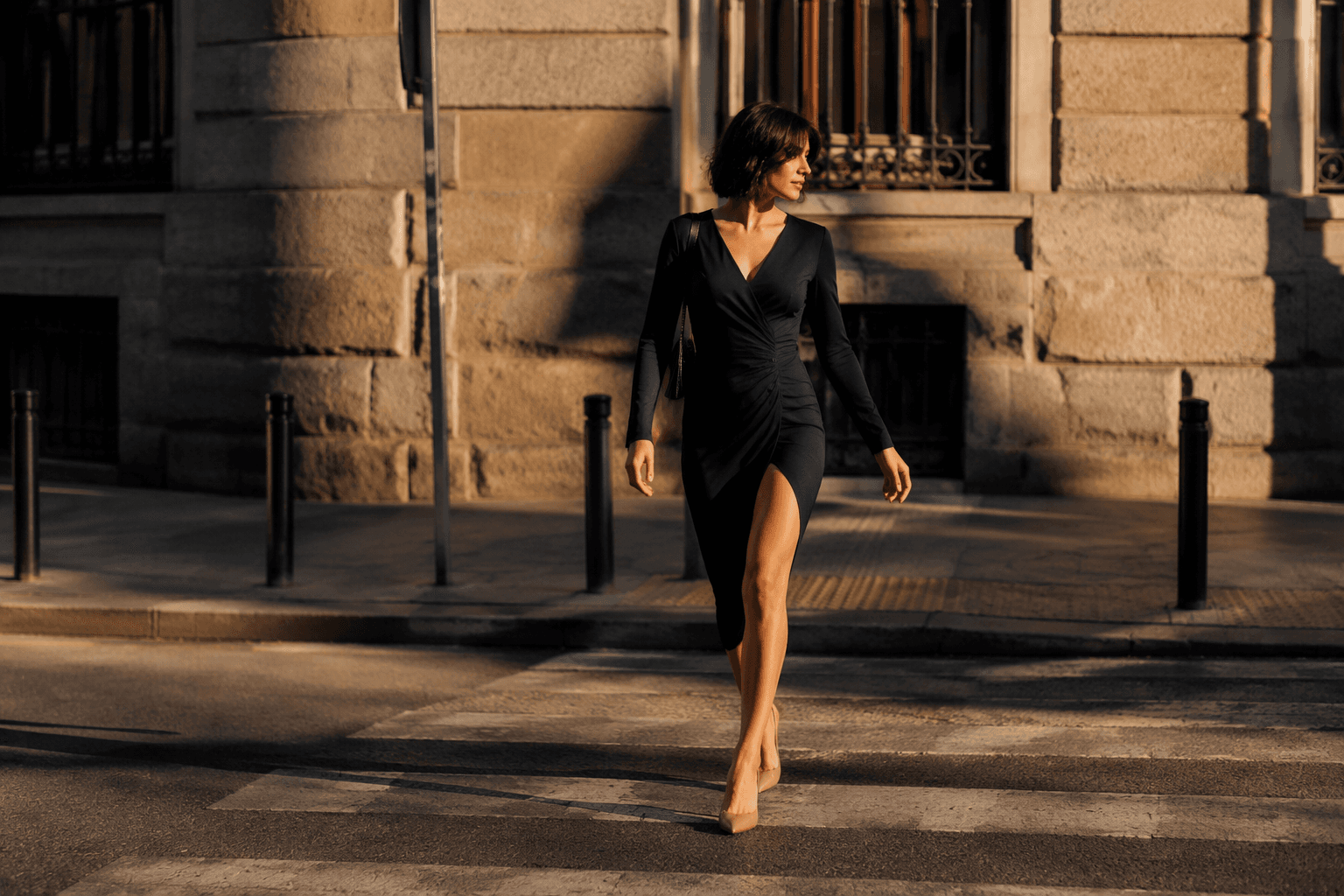
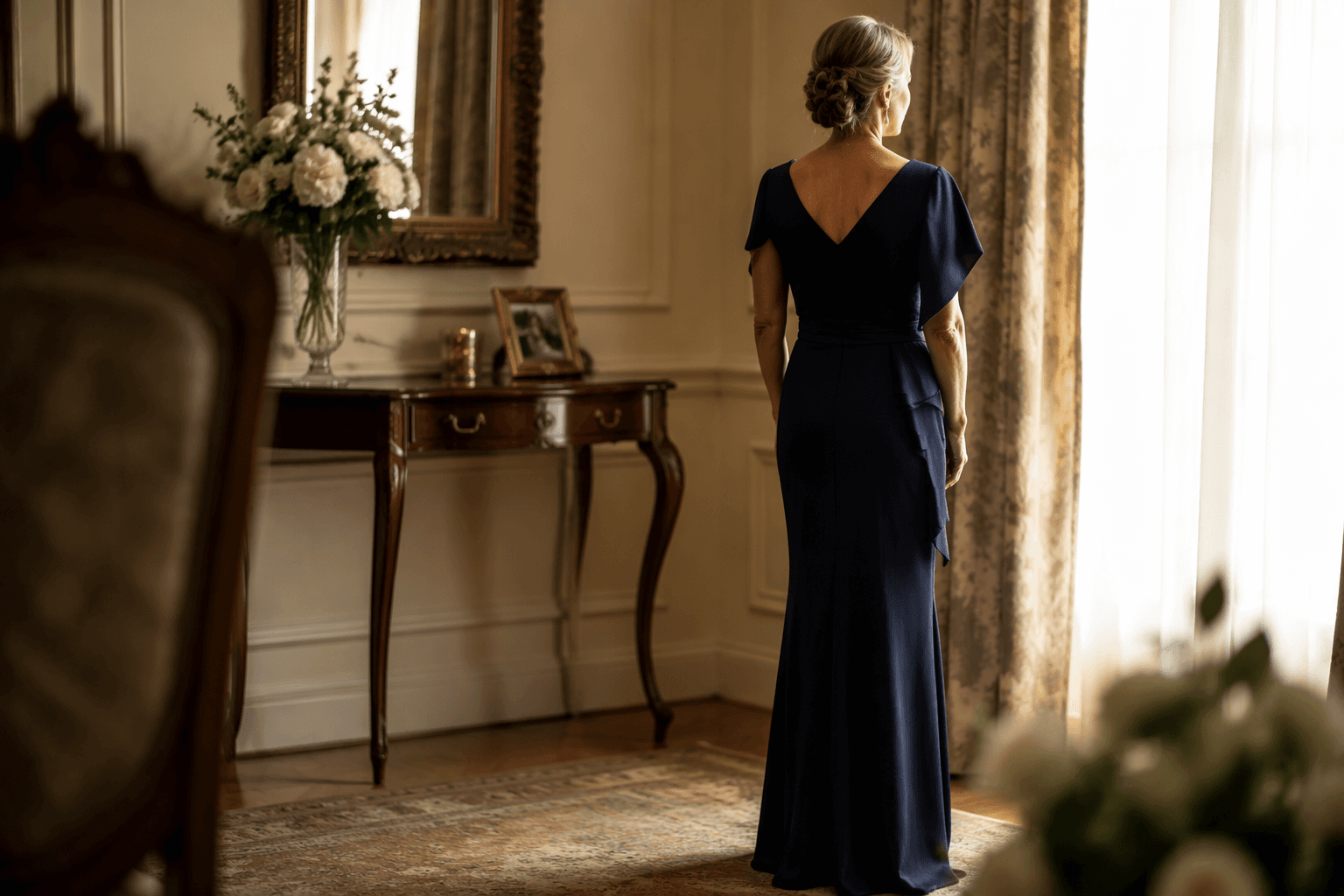
For length in photos, start with the shape that creates a single, uninterrupted line. Raised waistlines, A-line silhouettes, fitted column shapes, and V necklines are the most elongating choices in Jovani’s petite formalwear guidance. A raised waistline changes where the eye stops, while a column shape keeps fabric close to the body instead of ballooning out around the hips.
A well-cut A-line can also work beautifully, but the volume has to stay controlled. Too much fullness in the skirt drags the eye downward and makes the hem feel like it is arriving before you do. The most flattering petite mother-of-the-bride dresses usually look more tailored than dramatic, with enough shape to feel formal but not so much fabric that the dress starts wearing you.
The neckline and sleeves decide whether the dress opens up or closes in
On a petite frame, neckline shape controls the vertical line. A V-neck, a scoop neck, or any gently open neckline gives the eye somewhere to travel upward and outward, while a heavy high neckline can box in the upper body and make the whole silhouette feel compressed. On a petite frame, that extra openness lengthens the upper body.
Sleeves are the other place where formalwear goes wrong fast. Three-quarter sleeves, cap sleeves, and tailored short sleeves usually preserve proportion better than long sleeves that puddle at the wrist, unless the piece has been properly hemmed and balanced. Sleeves are a major category in Azazie’s mother-of-the-bride and formalwear filters, and Alex Evenings publishes a Petite & Plus Size Formalwear Fit Tips guide. The goal is coverage that looks deliberate, not extra fabric that makes your arms disappear.
The common mistakes that shorten a petite frame
The most common offenders are the ones that feel safest on a hanger. Heavy skirts, too much drape through the middle, and long torsos all eat height fast. So do necklines that climb too high, sleeves that bunch, and hems that hit in a dead zone where they visually cut the leg instead of extending it.
- Floor-skimming skirts that are not hemmed to the exact shoe height
- Boxy midsections with no defined waist seam
- Oversized sleeves that bunch at the wrist
- High necklines that flatten the chest and shorten the neck
- Too much skirt volume, especially when the fabric is stiff or layered
A few shortcuts to avoid:
Monochrome dressing helps because it keeps the eye moving without interruption. If the dress, accessories, and shoes stay in one tonal family, the silhouette reads longer and cleaner, which is exactly what you want in wedding photos where every inch of line shows.
Hems, heels, and the tailoring appointment are not optional
Formalwear is one of the few categories where tailoring should be assumed, not treated as a luxury. The right petite mother-of-the-bride dress often needs hemming, and sometimes sleeve shortening or bodice adjustments, because a dress that is technically zippered is not the same thing as a dress that flatters. A 2022 r/PetiteFashionAdvice post asking what can be easily tailored and what cannot shows how much real shoppers struggle with that distinction before they buy.
If the dress has straight side seams, hem work is usually straightforward, but once the shape is more complex, shortening in the wrong place can throw off the entire balance. The best strategy is to buy for structure first, then let a tailor make the dress obey your proportions instead of the other way around. A modest heel can help, but the whole point is to create length without looking like you are trying to stand on stilts through a ceremony, dinner, and a full night of photos.
Why this category keeps getting its own guides
Adrianna Papell, Alex Evenings, and Jovani all publish dedicated petite or petite-friendly mother-of-the-bride and formalwear content. Banana Republic, Ruby Rd., Alfred Dunner, and Petite Studio also keep the petite category visible across everyday clothing, but occasionwear demands more precision because the silhouette is harder to fake.
This article was produced by Prism’s automated news system from verified source data, official records, and press releases, then run through automated quality and moderation checks before publishing. The system is built and supervised by the people who set the standards it runs under. Read our full AI policy.
Did this article answer your question?