How petite rectangle shapes use dresses to create definition
The sharpest petite-rectangle dresses draw a waist where one is missing, then keep the hem high enough to lengthen the leg. Wraps, belts, princess seams, and smart midi cuts do the heavy lifting.
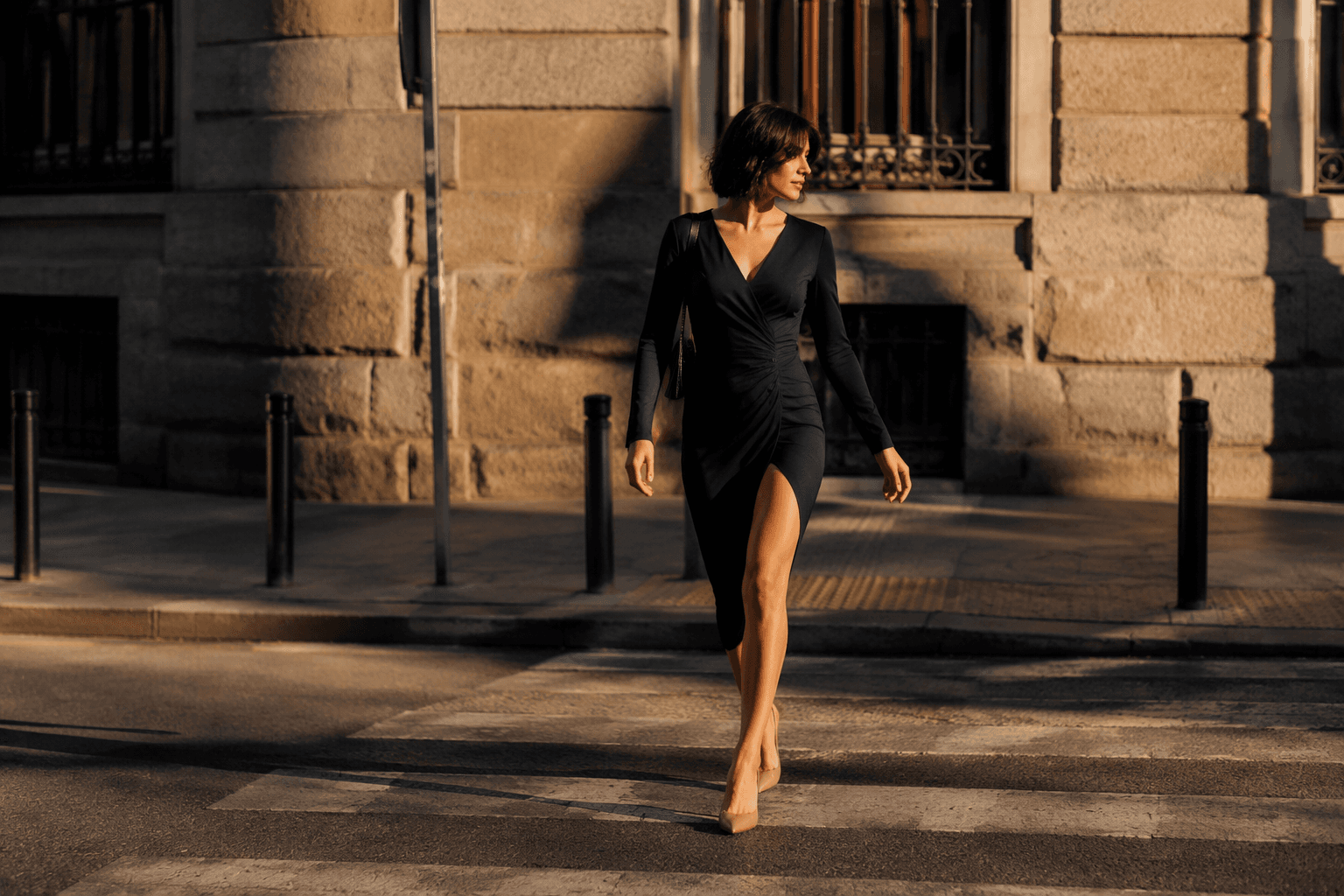
Wrap fronts, belts, princess seams, and a hem that ends before the calf can turn a straight frame into a cleaner hourglass without drowning a shorter body. The easiest way to make a petite rectangle read as curvier is to put the waist back on the map. Keep the eye moving vertically, then let one sharp waist detail do the work.
Why the petite rectangle needs a different dress strategy
Petite Dressing’s March 4, 2023 rectangle guide defines the shape as a body where the shoulders, waist, and hips are fairly similar in width. Stitch Fix identifies dressing challenges unique to this silhouette, and petite height changes the equation. A taller rectangle can sometimes absorb more fabric and still keep proportion; on a shorter frame, the same amount of cloth can flatten the body and make the dress look bigger than you are.
Style with Danielle’s April 27, 2025 video put the frustration bluntly: a rectangle has similar shoulder width, waist, and hip width measurements, and “the waist isn’t defined.” Gabrielle Arruda uses the familiar “I look like a door” framing for the same reason. The point is not to pretend the body is something else. It is to create definition where the line is straight, while keeping the whole look light enough for a petite frame.
The waist is the whole story
If you want curve, start with construction that cinches. Wrap dresses are the cleanest fix because the diagonal front creates movement before you even get to the belt tie. PixieGirl calls wrap tops perfect for a petite body shape, and the same logic carries into wrap dresses: the eye travels across the torso, then in at the waist, then out again at the hem.
PixieGirl also recommends fit-and-flare dresses and empire waists for petite women because they build a visible waistline without forcing the body into a stiff, boxy outline. Princess seams do a quieter version of the same job. They carve the dress into shape with structure instead of relying on a belt, which is useful if you want definition that feels tailored rather than fussy.
Belted shirt dresses can work for the same reason, but only when the belt actually lands at your waist, not wherever the dress happened to be cut. On a petite rectangle, the difference between “defined” and “swallowed” is often just a few inches of placement. A belt that sits too low drags the torso down; one that sits right at the natural waist makes the legs look longer and the body look more intentional.
A-line, but make it petite
Classic A-line silhouettes can create a defined shape for rectangular body types, and that remains one of the most reliable answers for this body type. The key is where the flare begins. If the dress nips in at the waist and then opens gently, you get curve without bulk. If the skirt starts to swing too low or too wide, the shape can feel like fabric, not body.
That is why not every volume play works. A petite rectangle does not need drama at the hip unless the dress is controlled everywhere else. A clean A-line, especially in a hem that does not chop the leg, keeps the line soft and still gives you a waist.
Hem placement can make or break the look
On petite proportions, hem placement matters as much as waist placement. A hem that lands at a flattering point can lengthen the legs, while one that cuts the body at an awkward mid-calf spot can make the figure look heavier or shorter. Mini lengths, above-the-knee hems, and carefully placed midi lengths often work best because they keep the eye moving vertically instead of horizontally.
That is why a petite rectangle usually looks sharper in a short hem than in a fussy one. A mini that shows a little leg gives the body breathing room, while an above-the-knee cut keeps the silhouette crisp. A midi can still work, but it has to land deliberately, not smack in the middle of the calf where the line gets interrupted.
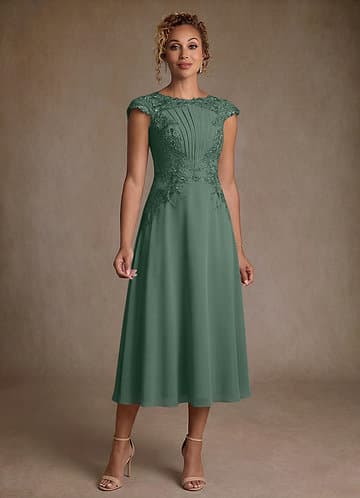
That logic shows up in Macy’s Petite Cocktail & Party Dresses category. The assortment includes petite lace sheath, petite one-shoulder midi, and petite embroidered trapeze sleeveless mini dress listings. The petite lace sheath reads as the most shape-conscious of the three because it follows the body, while the one-shoulder midi adds interest without needing extra volume. The trapeze mini is the trickiest of the bunch, because that much swing can erase a waist fast if the proportions are not tight everywhere else.
Structure beats bulk every time
Vertical seams, V-necks, tonal dressing, and lighter layering all help add structure without adding bulk. A V-neck pulls the eye up and down, which is useful when the torso does not naturally pinch inward. Tonal dressing gives you one uninterrupted column, so the body reads longer even when the dress itself is doing shape-building work.
That is also why overly boxy shift dresses usually disappoint on this body type. They can hang straight from the shoulders and leave the waist completely out of the picture. Heavy dropped waists do something similar, only worse, because they drag the focal point lower on a frame that is already working with less vertical space. If the fabric balloons at the wrong point, it widens the body where you want taper.
The same proportion advice appeared again in 2025
Adrianna Papell published a body-shape style guide on 2025-06-04, and Masari Shop dated its petite body-type guide 2025-08-01. Stitch Fix frames the rectangle challenge as one of silhouette.
This article was produced by Prism’s automated news system from verified source data, official records, and press releases, then run through automated quality and moderation checks before publishing. The system is built and supervised by the people who set the standards it runs under. Read our full AI policy.
Did this article answer your question?