Black-owned streetwear brands shaping the culture, from Karl Kani to Fear of God
Black-owned streetwear still sets the pace: Karl Kani built the baggy-denim blueprint, Fear of God made streetwear feel luxury-coded, and Joe Freshgoods turned Chicago storytelling into a brand language.
Baggy jeans, oversized shirts, premium basics, and graphic aggression still map the shape of streetwear. In Complex's Style roundup, *Black-Owned Streetwear and Fashion Brands You Need to Know*, these are the names that keep resurfacing in Black History Month shopping lists and fashion canon pieces because they are still dictating silhouettes, references, and the mood of the market.
Karl Kani: the blueprint in baggy denim
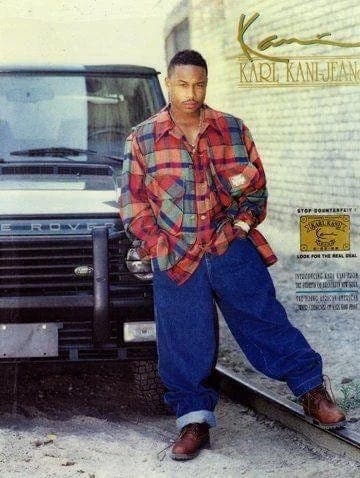
Karl Kani is where the conversation starts if you care about streetwear's early shape. Carl Williams founded the label in 1989 in Brooklyn, and the brand helped turn baggy jeans, oversized shirts, durable hoodies, and athletic wear into a full visual code instead of a passing trend.
That code still reads clearly in the way the market treats relaxed denim and logo-heavy sportswear now. In 2023, Forbes tied Karl Kani and Magic Las Vegas to the global spread of Brooklyn streetwear.
Fear of God: the luxe uniform that changed the temperature
Fear of God shows how streetwear learned to speak in a lower register and still feel expensive. Jerry Lorenzo founded the label in Los Angeles in 2013, and the CFDA included him in its Black Fashion Forces series in 2019.
The look is built on oversized fits, neutral palettes, and premium basics, the kind of pieces that look calm until you notice how much intention sits in the drape and proportion. The ESSENTIALS line, introduced in 2018, pushed that formula further into the everyday closet, where hoodies and sweats started carrying the same cultural weight as a rare sneaker drop.
Joe Freshgoods: Chicago storytelling with real-world footprint
Joe Freshgoods is the clearest example of how narrative has become streetwear's secret weapon. Joe Robinson, better known as Joe Freshgoods, is from the West Side of Chicago, and the work folds brand narrative, historical references, and cultural references into the product instead of chasing empty hype.
The early lane was tees, and the brand built its name on pieces that felt personal before they felt scalable. In 2026, he opened his first permanent retail store, Every Now and Then, on West Chicago Avenue.
Union Los Angeles: when the boutique becomes the brand
Union Los Angeles proves that curation can be as influential as design. Chris Gibbs and Beth Birkett are behind the L.A. shop, one of the most influential boutiques in streetwear and a constant in a fickle industry. The Union story also reaches back to 1989, when the original store opened on Spring Street in SoHo, New York, before the Los Angeles identity became its own force.
The in-house line translates the store's taste into product. The details lean tactile and deliberate, with hand-braided suede, stacked beaded details, and craftsmanship built for everyday wear, not just glass-case reverence. The collab history runs through Dunks, Jordan 2s, Nike Cortez, and an Air Jordan project inspired by the summer of 1996.
FTP: the harder edge still has a market
FTP keeps the anti-establishment lane alive, and it does not bother pretending otherwise. Zac Clark founded the Los Angeles brand in 2010, starting in his mother's house and a shared bedroom, and the name itself, F*ck The Population, sets the tone before you even see the clothes.
The signature here is graphic aggression: tees, hoodies, jackets, and jeans that live on provocation, controversial imagery, and a refusal to smooth out the message. The brand's history includes references to serial killers, the infamous Terrorist Organization shirt, and Clark's insistence that FTP is not a skateboarding brand, even if people keep trying to sort it that way. It sells through drops on its own webstore, with no retail safety net.
Start here if you want the quickest read on the culture
- Karl Kani for the original baggy-denim blueprint and 1990s hip-hop proportions.
- Fear of God for the luxury basics template, especially the oversized, neutral ESSENTIALS lane.
- Joe Freshgoods for tees, storytelling, and a Chicago point of view that feels lived-in.
- Union Los Angeles for boutique taste turned into clothing, with collabs that still move the conversation.
- FTP for the graphic, confrontational end of streetwear, where the message is the merchandise.
This article was produced by Prism’s automated news system from verified source data, official records, and press releases, then run through automated quality and moderation checks before publishing. The system is built and supervised by the people who set the standards it runs under. Read our full AI policy.
Did this article answer your question?