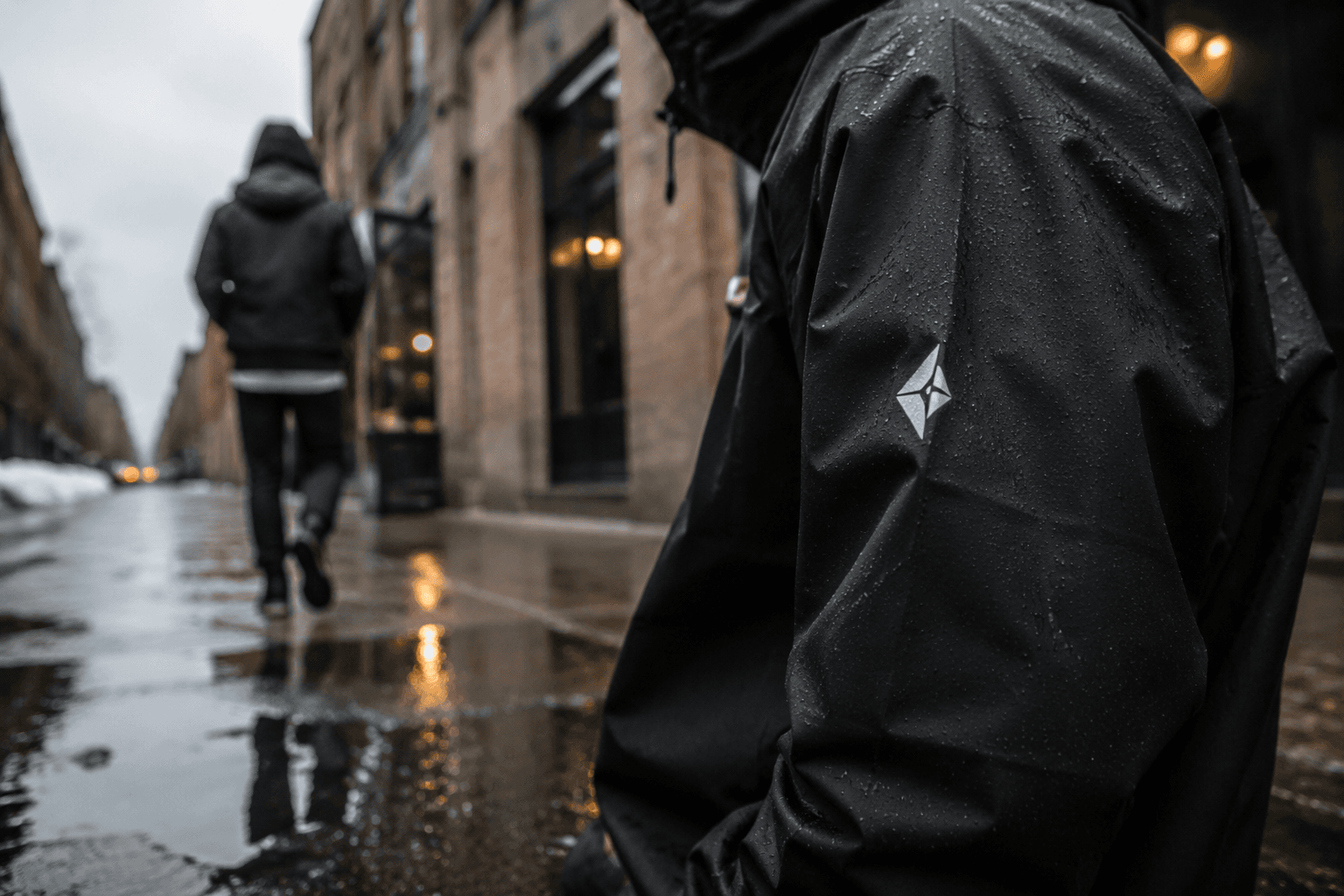
How streetwear became the uniform for always-on lives
Streetwear’s new status symbol is mobility: the best pieces now signal people who are always moving, building, and visible. Kith, AMIRI, and Palm Angels show how hustle became product.
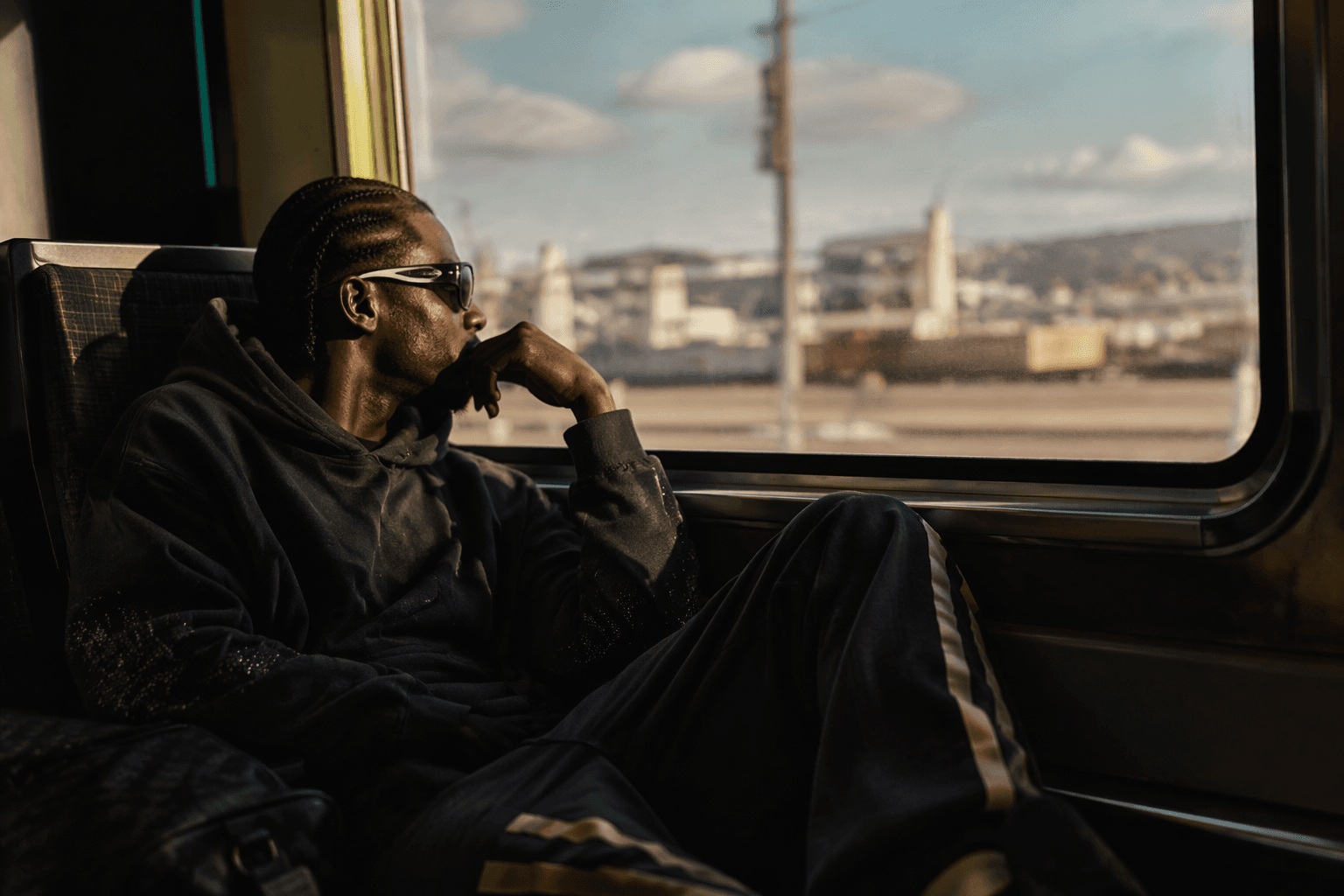
Cleaner sneakers, tougher outerwear, better bags, and layered pieces that can pass from airport to studio to dinner now define streetwear. It became the uniform for people who are always moving, always visible, and always building. Brands like Kith, AMIRI, and Palm Angels made that transition legible, turning the old language of rebellion into a new language of productivity.
From subculture to status system
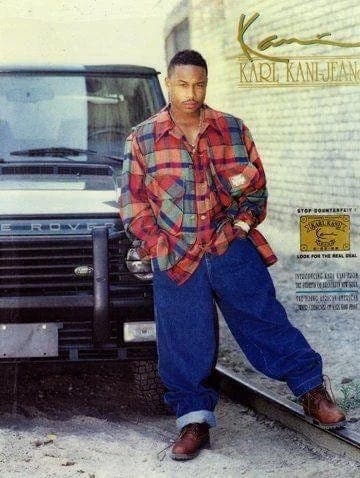
Streetwear never belonged to one scene. Its roots run through late-1970s and 1980s surf and skate culture in California, then into punk, hip-hop, sneaker collecting, and the wider world of youth style. Shawn Stüssy remains one of the category’s pioneers, while Dapper Dan remains the essential reference point for the way luxury logos were recut into hip-hop dress long before fashion houses officially embraced the formula.
The hustle-era version of streetwear is not a clean break from the past. It is the latest evolution of a style that has always borrowed from workwear, sportswear, and music culture, then recoded those references for whichever group wanted to look like it had somewhere to be. The difference now is scale: the look no longer signals only belonging to a scene.
What the hustle look actually means
The clothes themselves changed with the customer. Once streetwear spread beyond skaters and sneaker obsessives, it had to work harder in everyday life, which is why technical fabrics, commuter-friendly sneakers, sturdy bags, and travel-ready layering moved to the center of the wardrobe. Oversized outerwear, sweats, graphic tees, and branded layers still define the silhouette, but they are no longer read only as weekend clothes. They are read as a system for getting through a day that may include a flight, a meeting, a content shoot, and a late dinner.
The message is not “I’m off duty.” It is “I’m in motion.” In fashion terms, that means the strongest pieces are the ones that can look relaxed without looking lazy, and expensive without looking stiff.
Kith turned the local drop into a global retail machine
Ronnie Fieg founded Kith in 2011, and the brand’s rise explains a lot about where streetwear went next. Kith grew from one tiny store in Brooklyn to 25 stores. It opened its first store outside the U.S. in London in April 2019.
Fieg’s authority came early from sneakers. In 2007 he made Asics running shoes highly covetable with a one-off collaboration, at a time when Nike, Jordan, and Adidas dominated the conversation around status footwear.
AMIRI made Los Angeles craft into luxury scale
AMIRI gives the story another angle. Mike Amiri began his fashion career by hand-crafting unique stage pieces for legendary Los Angeles performers, which already tells you a lot about the brand’s feel: rock-star, handmade, and rooted in performance. In 2014, he established AMIRI, and the label quickly turned that local, DIY energy into a luxury language built on distressed denim, sharp tailoring, and an expensive kind of nonchalance.
AMIRI has over $40 million in sales, by The Business of Fashion’s estimate.
Palm Angels and the acquisition era of streetwear
Palm Angels shows how deeply streetwear has been folded into the luxury system. Bluestar Alliance acquired Palm Angels in February 2025, adding the brand to a portfolio that already included Off-White, which Bluestar Alliance acquired from LVMH in September 2024.
Stylistically, Palm Angels takes West Coast leisure and turns it cinematic, with a logo-heavy, high-end finish that keeps the casual ease and borrows from skate and street codes.
How to wear streetwear now
The smartest way to dress into this shift is to think in terms of function first, branding second. Look for pieces that combine comfort with structure: a heavyweight hoodie under a clean coat, technical trousers with a sneaker that feels as considered as a dress shoe, or a bag that can handle a commute without looking like luggage. The point is not to dress down. It is to look like your clothes can keep pace with your day.
A strong modern streetwear wardrobe usually has a few non-negotiables:
- Outerwear with shape, whether it is puffer volume, a shell jacket, or a cropped layer that changes the proportions of everything underneath
- Sneakers that read clean from a distance and practical up close, the kind of pair that works with denim, tailoring, or sweats
- Bags that are built for movement, not decoration
- Layering pieces that let you pivot from public-facing to off-duty without changing the whole outfit
What to skip is just as important. Skip pieces that rely only on nostalgia or oversized logos without any real construction behind them. The best brands in this space, from Kith to AMIRI to Palm Angels, understand that the modern customer wants clothes that can travel, work, and photograph well.
This article was produced by Prism’s automated news system from verified source data, official records, and press releases, then run through automated quality and moderation checks before publishing. The system is built and supervised by the people who set the standards it runs under. Read our full AI policy.
Did this article answer your question?