New Balance’s Chocolate City Pack channels D.C. streetwear nostalgia
New Balance dresses the 990v4 and 992 in D.C. memory, turning Chocolate City nostalgia into a polished streetwear feature. The question is whether it honors local lore or just sells the feeling.
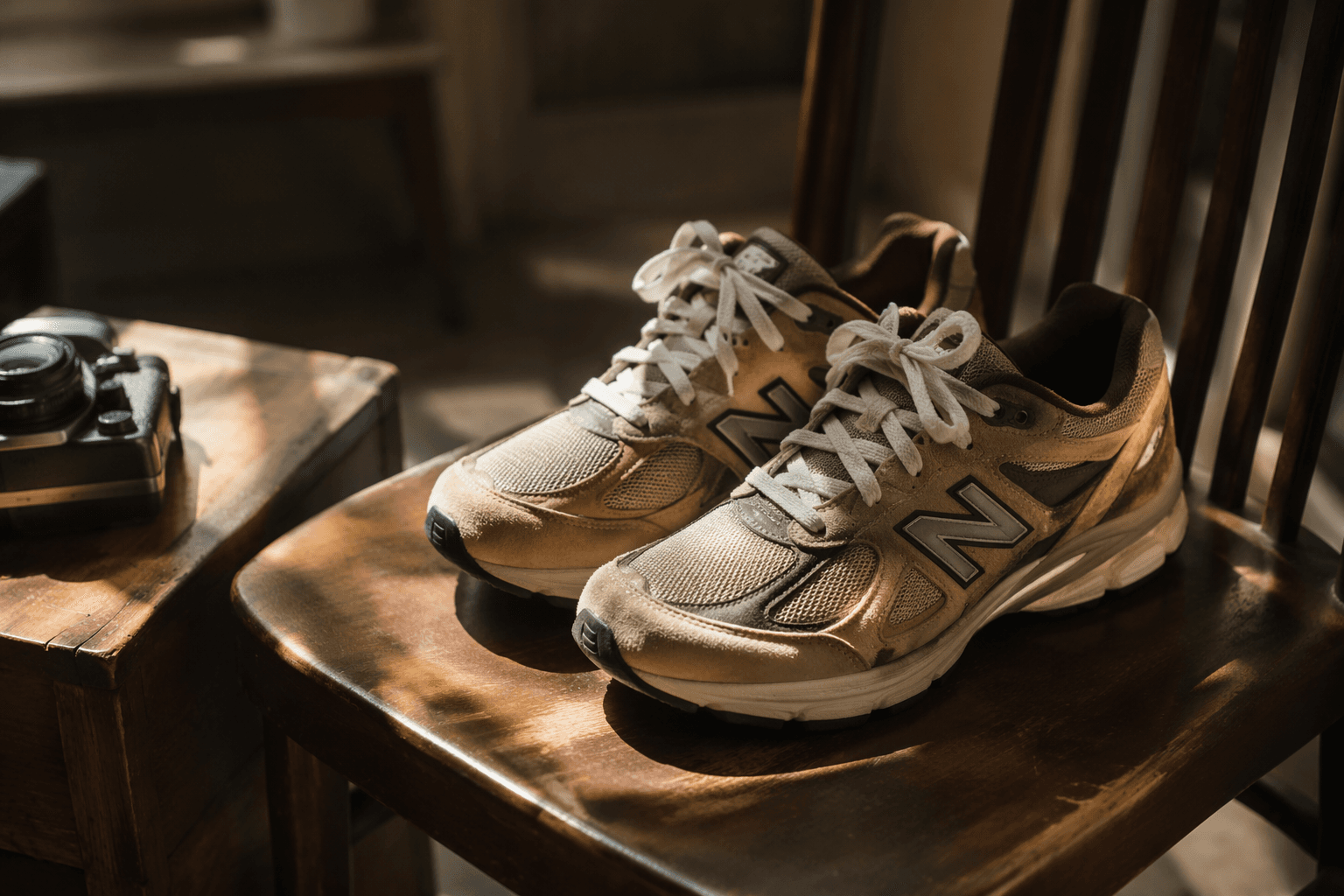
New Balance is treating the Chocolate City Pack like a mood board for D.C. streetwear before Instagram flattened everything into a feed. The Made in USA 990v4 and 992 come dressed in rich, dessert-like blocking that feels more like a remembered city uniform than a clean marketing theme, with the 990v4 carrying the sting of those coveted old-school skate-era collaborations that used to travel by blog post and forum thread.
Chocolate City as a style code
The name does a lot of the work here. Chocolate City is loaded with local history, but in sneaker terms it also signals a specific kind of insider shorthand, the sort that once separated the people who knew the story from the people who only caught the image later. New Balance leans into that divide by making the shoes feel regionally specific rather than broadly patriotic, a sharper move than a standard red, white, and blue release.
That approach matters because the strongest streetwear drops do not just borrow a place name, they translate its atmosphere into material and color. Here, the palette reads as indulgent and earthy rather than loud, which keeps the pack from sliding into costume. The effect is less souvenir shop and more code language, the kind of drop that assumes the wearer already understands the reference.
Why the 990v4 and 992 carry the weight
The silhouettes are doing the heavy lifting. The Made in USA 990v4 was originally introduced in 2016, which makes it modern enough to feel current but established enough to carry a story without apology. The 992 brings a different kind of authority, with ABZORB cushioning at the heel and forefoot and a place in New Balance’s core fan-favorite 99X family.
New Balance has long framed the 990 line as more than a running shoe family. The brand describes the 990 collection as iconic, and says the original designers were tasked with creating the single best running shoe on the market. That language still hangs over the model today, which is why the 990v4 and 992 work so well for a nostalgia-driven pack: they already arrive with credibility, so the colorway only has to sharpen the message.
The Made in USA tag adds another layer. New Balance says Made in USA footwear contains 70% or more domestic value and accounts for a limited portion of its U.S. sales, which helps explain why these shoes sit at the intersection of craft, scarcity, and lifestyle credibility. In streetwear terms, that is a useful kind of restraint, because the product already has a built-in reason to feel special before the story even begins.
The release calendar is part of the argument
The timing is not an afterthought. New Balance’s launch calendar listed Made in USA 990v4 and Made in USA 992 releases for July 10, 2026, and also showed additional upcoming Made in USA launches. That matters because it places both models inside an active product cycle, not as archive pieces pulled out for a one-off nostalgia play.
For a brand with as much lifestyle heat as New Balance, repetition can be a feature. The 990v4 and 992 keep showing up because they still carry the kind of shape and weight that streetwear buyers recognize immediately: layered uppers, substantial midsoles, a profile that looks better with washed denim, cargos, or a broken-in work pant than with anything overstyled. The Chocolate City Pack uses that familiarity to make the regional story feel wearable, not theatrical.
New Balance has been building this regional script
The D.C. reference is not happening in a vacuum. A recent Yahoo Shopping report on another New Balance regional pack pointed to a Baltimore versus D.C. Made in USA 993 duo, with associate product manager Myles Williams linking the Baltimore colorway to the Maryland flag and Faidley’s Seafood. That earlier pack shows the brand leaning hard into Mid-Atlantic specificity, using local markers as design fuel rather than as mere name-checks.

The 993 is a useful comparison because it gives context to how New Balance thinks about regional memory. Introduced in 2008, it combined elements of the 991 and 992, which is exactly the sort of technical lineage that gives a sneaker room to carry a story without losing its product identity. New Balance has learned to graft local storytelling onto silhouettes with real sneaker history, so the result feels more embedded than promotional.
That said, the strategy also raises the obvious question. When a brand packages pre-social-media credibility as a product feature, is it preserving local sneaker memory or monetizing the desire for it? The answer depends on how much the shoe does beyond the story, and here the 990v4 and 992 have enough architectural legitimacy to avoid feeling like blank canvases. Still, the pack is selling more than color, it is selling a way of remembering D.C. that feels tuned for buyers who miss the slower, blog-era rhythm of sneaker culture.
Why Georgetown matters
The Georgetown store at 3139 M St NW gives the pack a real-world anchor in Washington, D.C. That location matters because regional storytelling can feel flimsy when it exists only on a product page, but a retail foothold in the city gives the theme a physical address. It places the Chocolate City Pack inside a neighborhood where sneaker culture, campus traffic, and streetwear visibility all overlap.
Taken together, the pack shows how New Balance has made place part of its product language. The 990v4 brings the skate-era charge, the 992 brings the fan-favorite reassurance, and the Made in USA framework gives the whole release a premium spine. What remains is the tension that makes the drop interesting in the first place: New Balance is not just reviving a city story, it is selling the feeling of having known it before everyone else did.
This article was produced by Prism’s automated news system from verified source data, official records, and press releases, then run through automated quality and moderation checks before publishing. The system is built and supervised by the people who set the standards it runs under. Read our full AI policy.
Did this article answer your question?