Apparel Impact Institute shifts climate funding to bigger supplier projects
Aii is betting bigger checks on fewer factories can cut emissions faster, even as apparel pollution jumped 7.5% in 2023 and small suppliers risk getting sidelined.
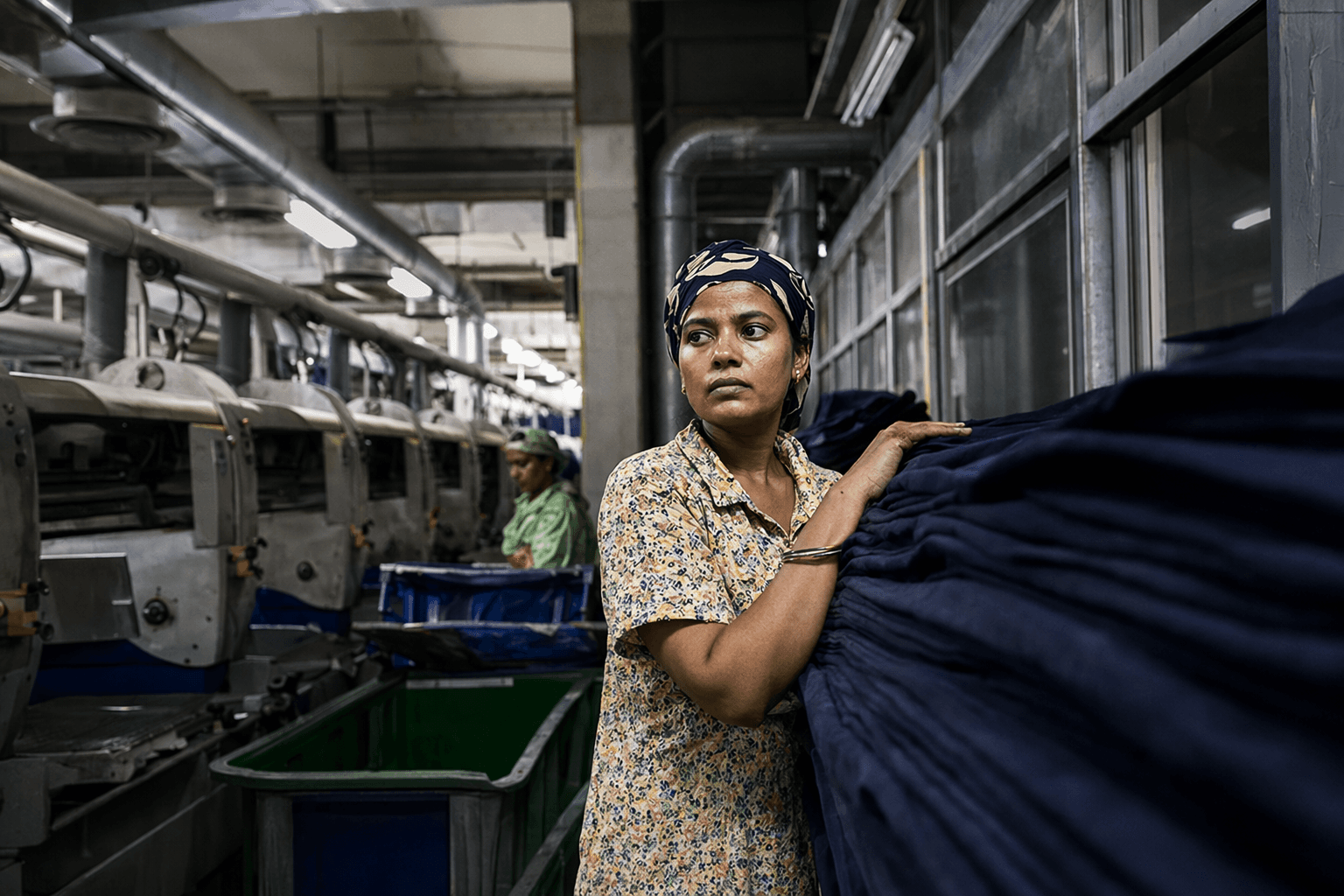
Apparel’s climate problem is not a branding problem. It is a capital problem, and Apparel Impact Institute is finally acting like it.
The group said it is shifting decarbonisation funding toward fewer, larger supplier-level projects, the kind of interventions that can be measured faster and pushed through manufacturing hubs with real scale. That matters because apparel sector emissions rose 7.5% year-on-year in 2023 to about 944 million tonnes of CO2e, the first major increase since tracking began in 2019. Textile processing alone accounts for roughly 55% of those emissions, with raw material production around 22%, which means the biggest wins still sit deep in the supply chain, not on the moodboard.
Aii’s pitch is blunt: scatter sustainability money too thinly and you get nice pilot projects and not much else. Concentrate it in supplier facilities, electrification, and better financing, and the industry can move faster. The institute said it has already worked with more than 1,500 supplier facilities since 2018, reduced more than 1.1 million tonnes of CO2e, and unlocked nearly $188 million in total capital. Now it is leaning harder into larger, more technically complex projects that require substantially bigger investments, especially at Tier 2 and other supplier levels.
The shift was set in motion on January 27, 2026, when Aii realigned its Climate Solutions Portfolio to prioritize supplier-focused electrification. The grant program can award up to $250,000 per project, while its Deployment Gap Grant has $1.25 million available in grant funding. Aii also launched its Energy and Carbon Benchmark in March 2026, giving factories and brands a shared yardstick for energy use and emissions. That kind of plumbing is unglamorous, but it is exactly what the industry has been missing: common measurements, clearer payback, and fewer excuses.
The tradeoff is obvious. Bigger supplier projects can deliver faster, cleaner decarbonisation where emissions are concentrated, but they can also leave smaller factories further behind if the money keeps chasing the biggest, easiest wins. Aii says it will partner annually with at least 20 facilities on higher-impact climate solutions over the next five years and connect them to fit-for-purpose financing. That will test whether the model scales beyond a handful of well-capitalized suppliers into the messier reality of the whole supply chain.
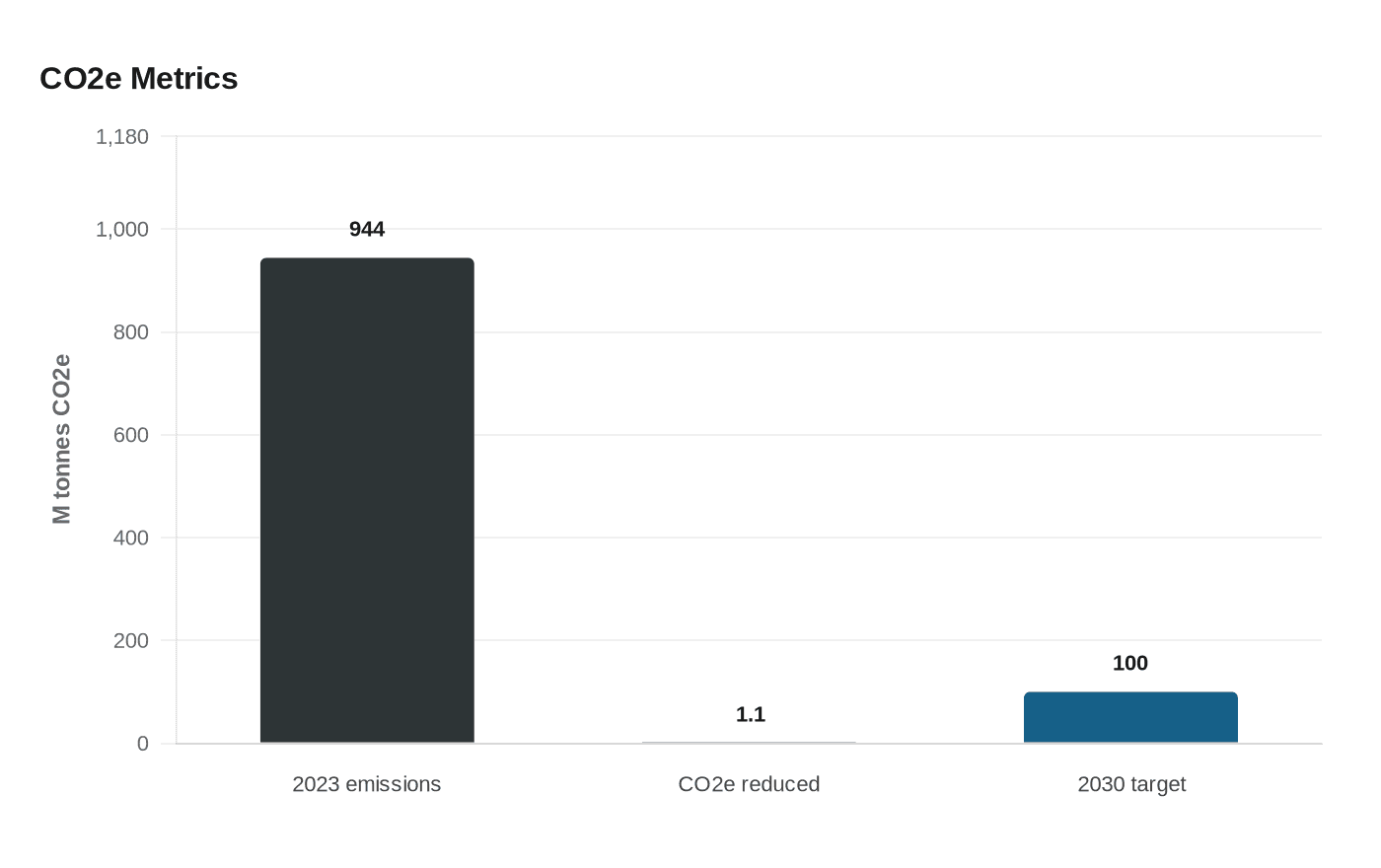
The broader financing stack is getting bigger too. Aii’s Fashion Climate Fund is a $250 million initiative designed to unlock up to $2 billion in blended capital and reduce up to 100 million tonnes of CO2 from the apparel supply chain by 2030. The H&M Foundation has said the fund targets more than 2,000 facilities in India, Bangladesh, China and Vietnam and could cut about 30 million to 50 million tonnes of CO2 by 2030. For brands, supplier groups and lenders, the winners now are the ones that can prove emissions cuts, not just fund them.
This article was produced by Prism’s automated news system from verified source data, official records, and press releases, then run through automated quality and moderation checks before publishing. The system is built and supervised by the people who set the standards it runs under. Read our full AI policy.
Did this article answer your question?


