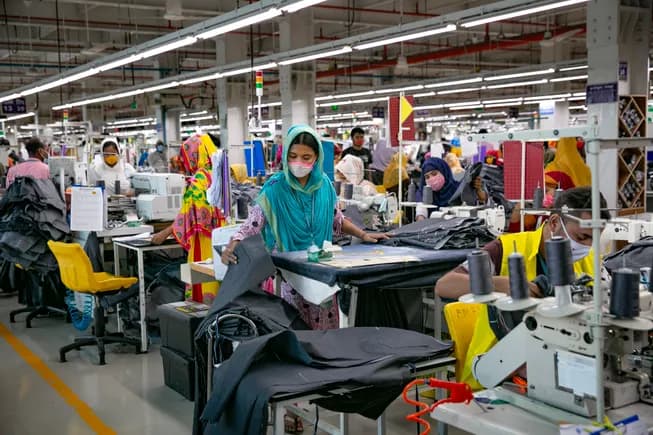
BGMEA, IVY Decarb Partner to Modernize Garment Machinery, Cut Emissions
Bangladesh’s garment base moved from pledges to plant-floor math, as BGMEA and IVY Decarb backed machinery upgrades meant to cut emissions and lift productivity.
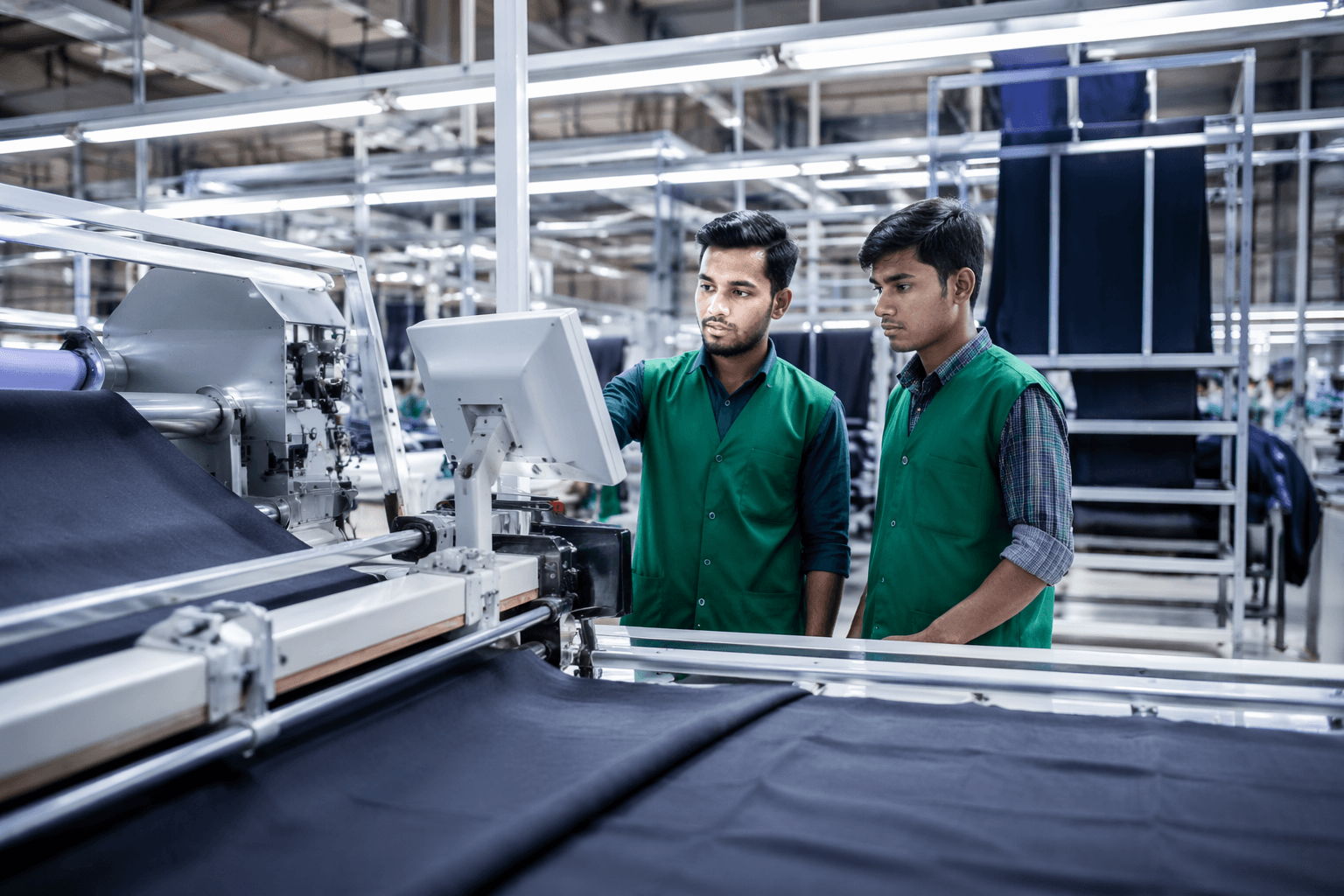
Bangladesh sits at fashion’s most consequential pressure point. As the world’s second-largest apparel exporter after China, its garment sector powers export earnings and global sourcing, but it also carries a heavy carbon burden, making factory machinery one of the clearest places to test whether decarbonisation can move from promise to measurable change.
That is the real significance of the memorandum of understanding signed in Dhaka on 6 May 2026 between the Bangladesh Garment Manufacturers and Exporters Association and Spain’s IVY Decarb Marketplace SL. BGMEA vice president Vidiya Amrit Khan signed for the industry body, while IVY Decarb managing director José Manuel Caballero signed for the Madrid-based marketplace. BGMEA director Shah Rayeed Chowdhury and IVY Decarb business development director Md. Masud Rana were also present, underscoring that this was a working agreement aimed at plant-floor change, not a ceremonial flourish.
The partnership is meant to support industrial decarbonisation, productivity improvement and a sustainable machinery transition across Bangladesh’s garment and textile sector. It will also validate IVY Decarb’s methodology for measuring how machinery replacement affects both productivity and sustainability, a crucial detail for an industry that often struggles to prove the return on capital upgrades. IVY Decarb said the collaboration would help factories identify technology-driven opportunities to cut emissions and improve productivity, while connecting them with machinery, financing and impact-measurement solutions. BGMEA has already said sustainability is no longer a side concern, but a core competitiveness issue and a question of market survival.
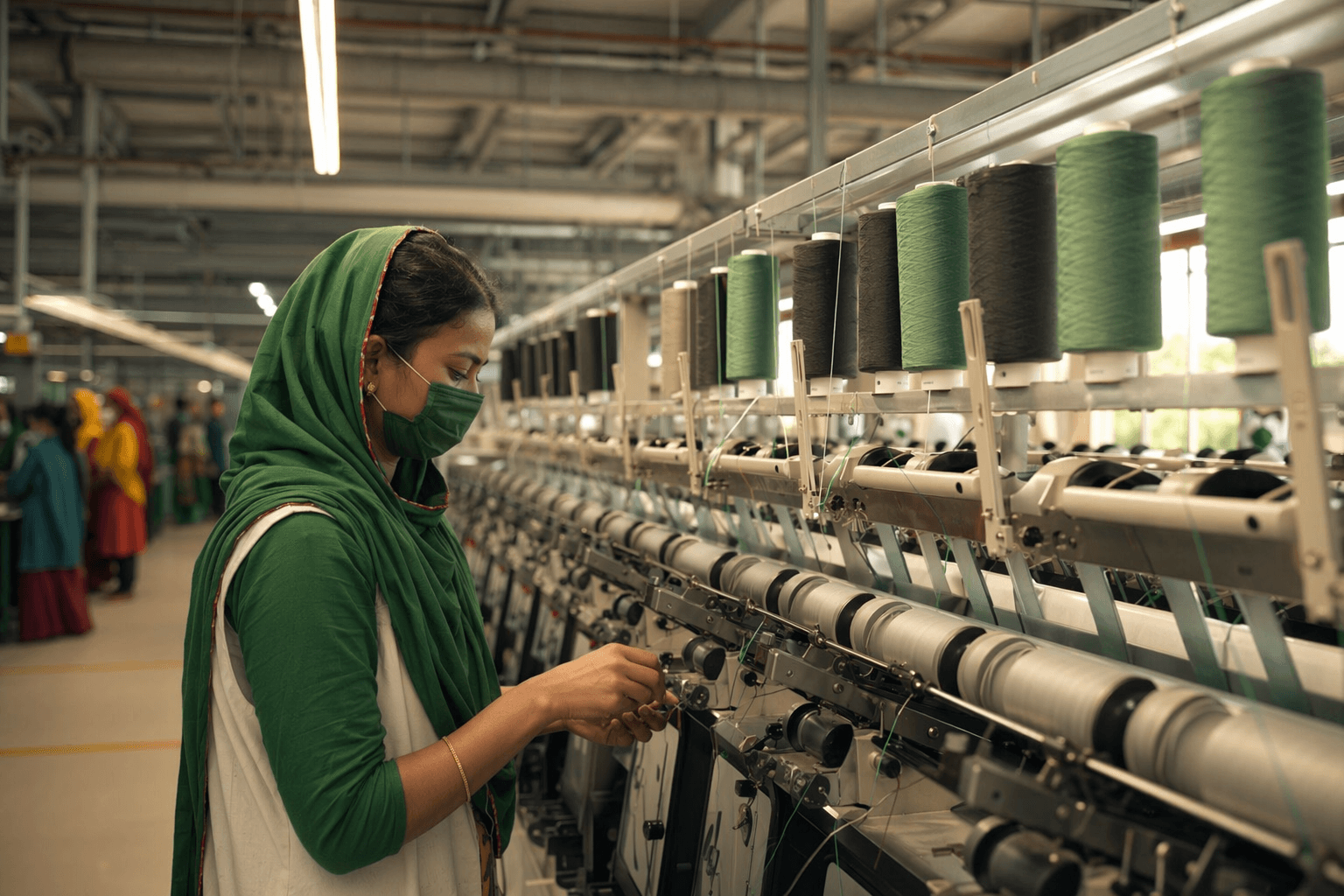
The numbers behind the urgency are stark. BGMEA’s Sustainability Vision 2030 includes a 30% greenhouse-gas emissions reduction target, and industry reporting has placed Bangladesh among the five countries with the largest potential for GHG cuts in textiles and apparel. Separate analysis from the Apparel Impact Institute and Development Finance International says the country’s apparel sector may need about US$6.6 billion in combined public, private and concessional finance to halve emissions by 2030, leaving a financing gap of roughly US$4.8 billion. In other words, the machinery conversation is really a capital conversation, and capital is where decarbonisation either accelerates or stalls.
The pressure on Bangladesh’s factories has been building since Rana Plaza collapsed in Savar on 24 April 2013, killing more than 1,100 people and injuring thousands. That catastrophe exposed the cost of delay and made safety, compliance and resilience inseparable from the country’s garment identity. This new machinery push suggests the next test is not whether Bangladesh can keep making clothes, but whether it can remake the machinery of production fast enough to protect its place in the supply chain.
This article was produced by Prism’s automated news system from verified source data, official records, and press releases, then run through automated quality and moderation checks before publishing. The system is built and supervised by the people who set the standards it runs under. Read our full AI policy.
Did this article answer your question?