Sustainability Fails When Brands Audit More, Improve Less
The real sustainability shift is happening in the factory clipboard, not the pledge deck. Brands are demanding proof, but too often they’re still buying paperwork instead of progress.
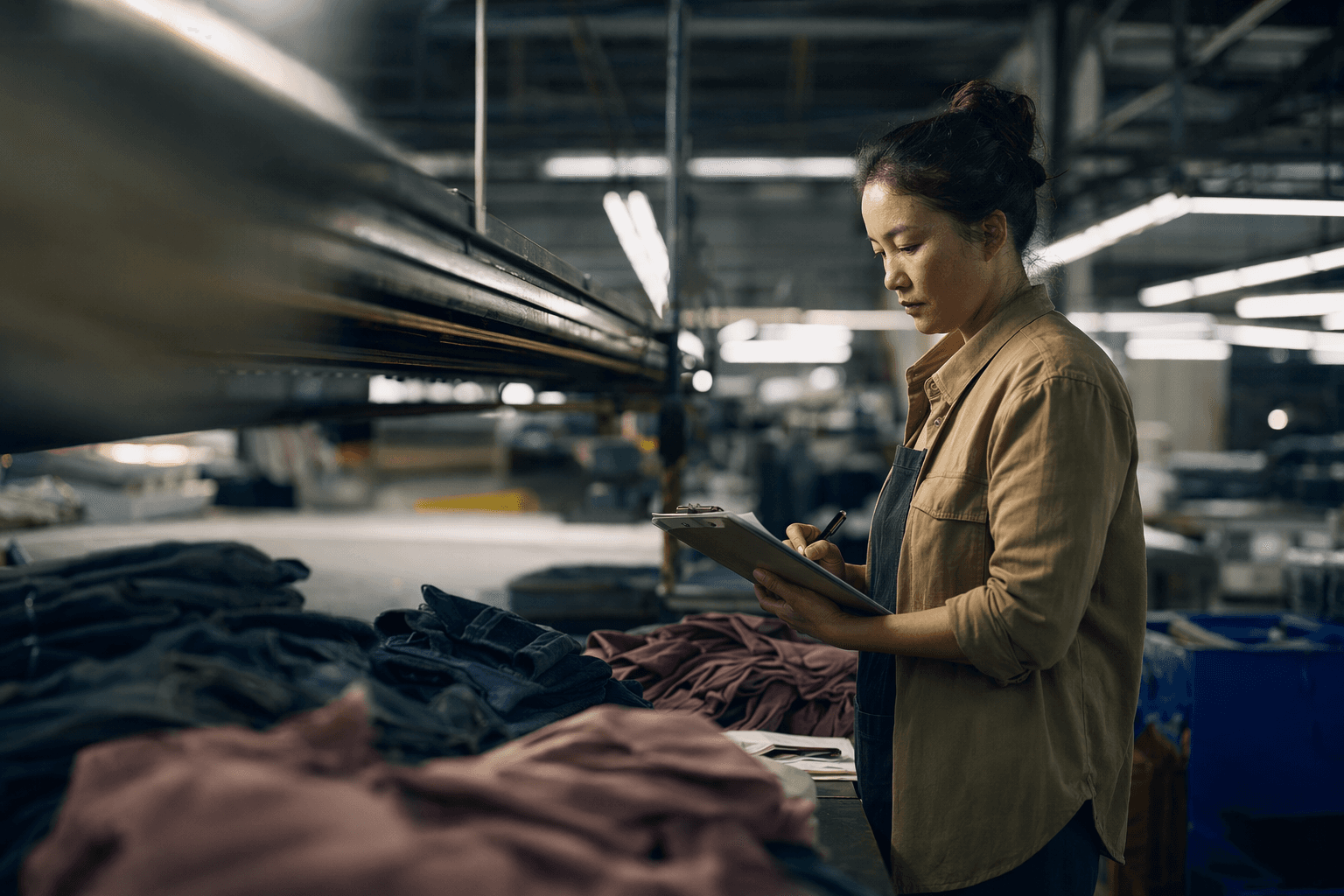
The new sustainability flex is inspection, not intention
The fashion industry loves a big target. 2030 sounds clean on a slide deck, but the real work is uglier, messier, and happening under fluorescent lights in factories already drowning in paperwork. One garment factory was hit with 740 audits in a single year. Suppliers were spending 16 days a month just on compliance admin. That is what the gap looks like when brands want sustainability outcomes but still treat oversight like a ritual instead of an operating system.
The pressure is not abstract. Workers are laboring in factories where temperatures can reach 130 degrees, and that is before you even get to the stack of checklists, repeat visits, and corrective-action demands. The industry keeps talking about 2030 like the finish line is the point; the truth is that the only way any of those promises mean anything is if brands stop chasing optics and start inspecting what is actually happening on the floor.
Audit fatigue is no longer a side issue
This is where the sustainability conversation gets real. Multiple brands often inspect the same factory separately, which means duplicate visits, duplicate paperwork, and duplicate costs with no guarantee of better conditions. Suppliers get trapped in a cycle where they are always proving, rarely improving. It is the corporate version of buying six of the same black T-shirt because nobody bothered to check the closet first.
That is why the Social & Labor Convergence Program matters. It was built to cut back on repetitive social and labor audits and redirect some of that wasted motion into actual working-condition improvements. In other words: stop paying ten people to ask the same question and use the money to fix the heat, the staffing, the safety systems, and the wage pressure that workers feel every day.
What inspection should actually do
Good inspection is not about stacking up more visits. It is about asking better questions and forcing accountability in the places where brands have historically been vague. Instead of broad pledges, buyers need to demand operational proof: how a factory is measured, how often it is checked, what is being fixed, and whether the changes last after the auditors leave.
That means sustainability has to be translated into daily practice. If a brand says it wants better labor conditions, it should not just ask for a score. It should ask how much heat stress is being monitored, how much time suppliers are spending on compliance work, and whether the audit load itself is making factory life worse. The whole point is to replace fragmented oversight with systems that can actually verify progress.
Better Work shows why fewer pointless audits can still mean better business
Better Work, the collaboration between the International Labour Organization and the International Finance Corporation, already operates in 11 countries and works with governments, employers, workers, brands, and retailers to improve garment-sector conditions. It also says one of its goals is to reduce the inefficiency caused by excessive auditing, which is exactly the right instinct. The fashion industry has never suffered from a shortage of forms. It has suffered from a shortage of follow-through.
The business case is there too, which brands love to hear when the moral argument somehow still isn’t enough. Better Work says an independent impact assessment found that factories in its program increased productivity by up to 22% and profitability by up to 25%. That matters because the usual excuse for better conditions is cost. But if a factory can be less chaotic, more productive, and more profitable while improving working life, then the old model of endless duplicate auditing starts to look not just wasteful, but plain stupid.
The labor stakes are enormous, and women carry most of them
The scale of this industry is easy to forget because fashion likes to present itself as mood, not infrastructure. The International Labour Organization says textiles and clothing provide jobs to over 90 million people, predominantly women. It also says the sector’s future of work is increasingly uncertain. That uncertainty is not theoretical. It is already showing up in heat stress, unstable supply chains, and the growing strain of keeping factories compliant while production timelines keep tightening.
Heat is the bluntest warning sign here. Rising temperatures and more frequent heatwaves are creating serious risks for worker safety and health, and WWD has been reporting that this is becoming a concrete workplace issue in apparel factories. Once you picture that heat alongside 740 audits and 16 days a month of paperwork, the industry’s priorities look upside down. The people inside the system are getting more scrutiny, but not necessarily more protection.
The emissions story is still stuck at the factory gate
Fashion Revolution’s What Fuels Fashion? 2024 report makes the production-side problem impossible to ignore. It says 96% of fashion emissions are created at the manufacturing stage. That is the part of the chain where the fabric is dyed, cut, sewn, shipped, and turned into the clothes everyone posts, wears, returns, and resells. It is also the part of the chain where brands have the least patience for complexity and the most appetite for slogans.
The same report says only 8% of brands disclose a renewable electricity target for their supply chain. That is a brutal number, and it explains why inspection is becoming the real sustainability trend. If emissions and labor risk are concentrated in manufacturing, then the old trick of issuing a promise from headquarters is not enough. Brands need proof that their suppliers are actually shifting energy use, improving conditions, and reducing damage where the damage is happening.
What buyers should demand now
If you care about sustainable fashion, the shift to watch is not another cheerful pledge. It is whether brands make inspection smarter, narrower, and more useful. The best buyers are moving away from performative auditing and toward operational checks that reduce duplication, target the worst conditions, and make improvement measurable.
- Fewer repeat audits of the same factory, more shared standards across brands
- Less compliance theater, more investment in heat safety, worker protection, and factory upgrades
- Clearer proof of progress, not just new targets for 2030
- Better coordination between brands, suppliers, and programs like Better Work and the Social & Labor Convergence Program
That is the change hidden inside all the sustainability noise: not whether brands can announce a better future, but whether they can stop treating factories like paperwork machines and start treating them like the place where fashion’s real footprint is made. The next wave of sustainable sourcing will be judged by what gets inspected, what gets fixed, and what finally stops being ignored.
This article was produced by Prism’s automated news system from verified source data, official records, and press releases, then run through automated quality and moderation checks before publishing. The system is built and supervised by the people who set the standards it runs under. Read our full AI policy.
Did this article answer your question?


