ASOS Boosts Profitability 50%, Reaffirms Sustainable Growth Strategy
ASOS's adjusted EBITDA jumped ~50% year-on-year in H1 2026, with gross margin climbing to 48.5% as CEO Ramos Calamonte eyes "sustainable, profitable growth."
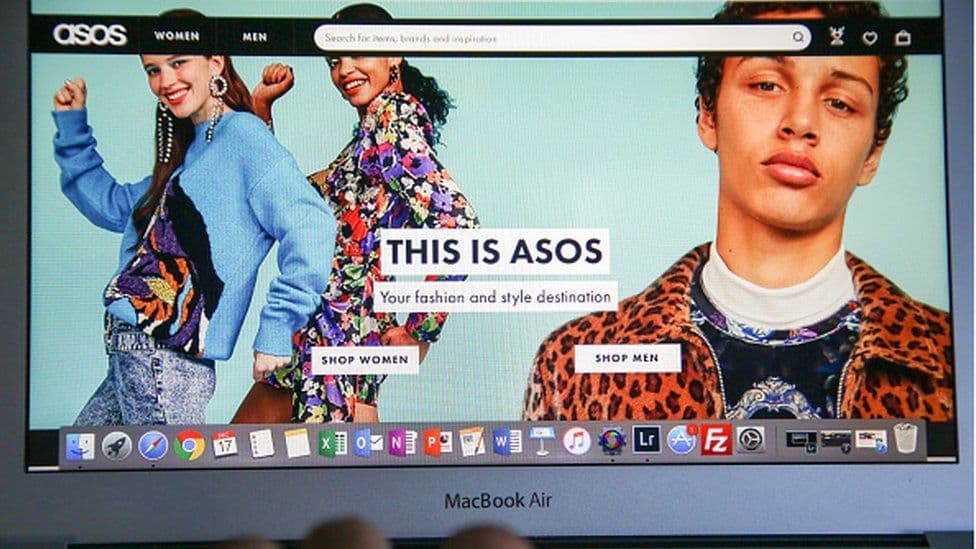
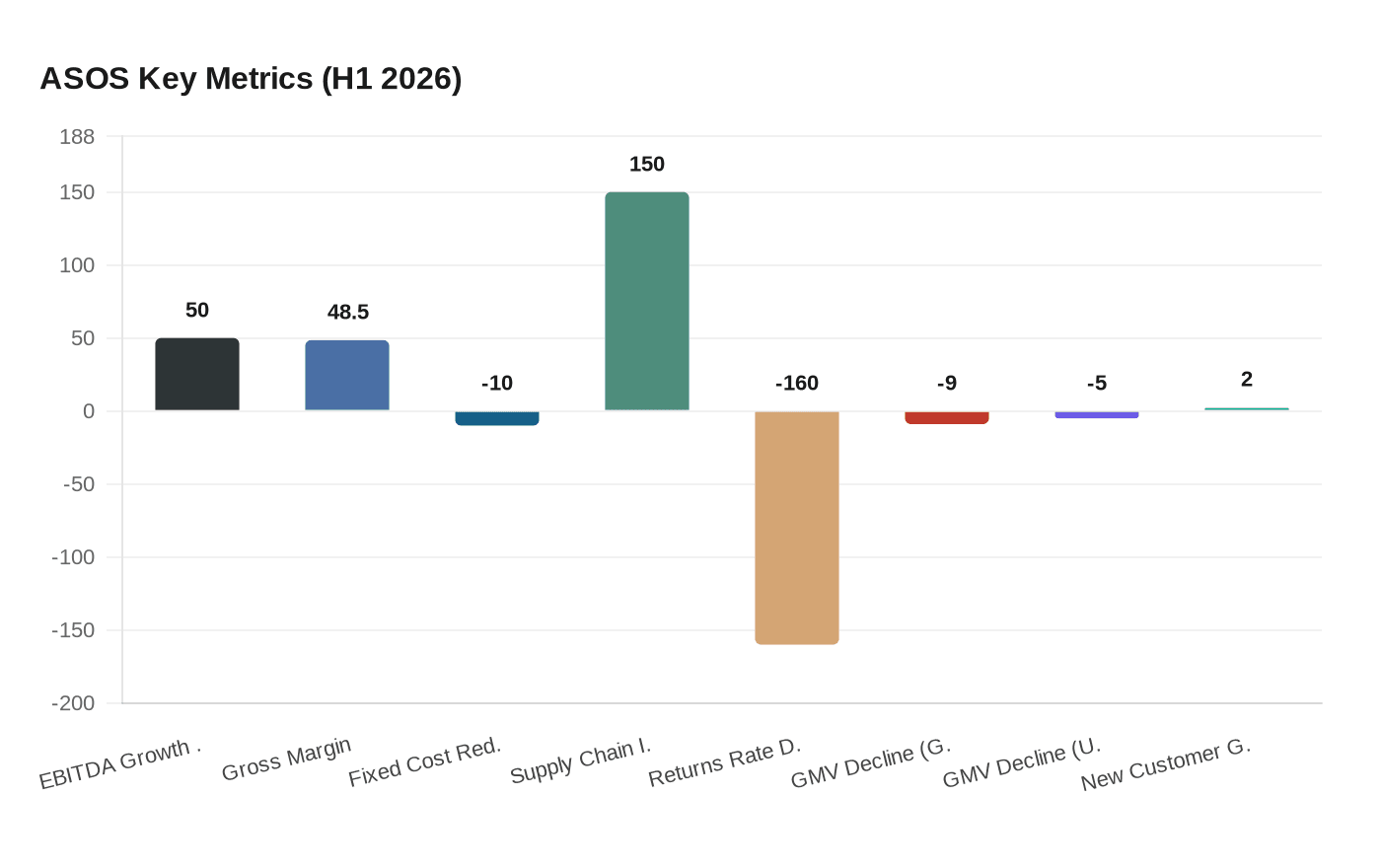
ASOS's pre-close trading update for the six months to 1 March 2026 landed with a headline that stopped the market in its tracks: adjusted EBITDA rose by around 50% year-on-year, supported by a 330 basis point increase in adjusted gross margin to 48.5%. The result was achieved including the "negative impact" of US President Trump's IEEPA tariffs, imposed under the International Emergency Economic Powers Act of 1977. Investors took notice: shares surged as CEO José Antonio Ramos Calamonte confirmed the group remained on track to deliver full-year adjusted EBITDA of £150–£180 million.
ASOS attributed the profit improvement to tightened cost control, improved gross margin, and a lower returns rate, with its new commercial model and the expansion of its flexible fulfilment model cited as key drivers of the margin gain. Total fixed costs fell more than 10% year-on-year, and supply chain cost to serve improved by 150 basis points, while the underlying returns rate dropped by approximately 160 basis points. ASOS also highlighted a further 150 basis point improvement in supply chain cost to serve, citing ongoing warehouse optimisation and a renegotiated UK distribution contract.
Gross merchandise value dipped 9% year-on-year across the group, though the UK, ASOS's largest market, outperformed with a GMV decline of just 5%. Womenswear was among the retailer's strongest performing categories during the half. In the top four markets, new customer growth rose 2% year-on-year, with sequential improvement in the second quarter of 2026.

Ramos Calamonte was direct about where the momentum is coming from. "Our first half shows continued progress on executing our strategic priorities across Relevant Fashion Product, Inspirational Shopping Experience and an Efficient Operating Model," he said. The dramatically revamped ASOS app drove an uplift in net sales per customer, average order value, and higher engagement — a shift the CEO described in pointed terms: the app is now helping customers find "not just items, but outfits, styled just for them."
The turnaround has been years in the making. Gains were driven by a revamped commercial model and wider roll-out of the Flexible Fulfilment model, alongside tighter inventory management and lower returns. Background from the company's FY25 filings shows the scale of the operational reset: ASOS cut inventory by more than 60% since FY22, reducing it from US$1.35 billion to US$538 million, and declared that it had "essentially completed phase one" of its turnaround plan as it entered the current financial year.
Full-year guidance calls for GMV to show an improving trajectory throughout the year, finishing 3–4 percentage points ahead of revenue, with gross margin improvement of at least 100 basis points to 48–50%, adjusted EBITDA of £150m–£180m, and broadly neutral free cash flow.
Ramos Calamonte said: "With an accelerated cadence of initiatives still to come this year, we are well positioned to deliver further improvements for customers and the business as our focus remains on sustainable, profitable growth." For a retailer navigating both US tariff headwinds and intensifying competition from cheaper Chinese rivals, that trajectory, built on margin discipline rather than volume, is the clearest signal yet that ASOS's structural reset is becoming something more durable.
Know something we missed? Have a correction or additional information?
Submit a Tip