Australia Commits $21.2 Million to Boost Sustainable Fashion Manufacturing Startups
Melbourne's Xefco just landed A$5M to scale its waterless textile dyeing system — part of Australia's A$21.2M bet on 13 deep-tech startups.
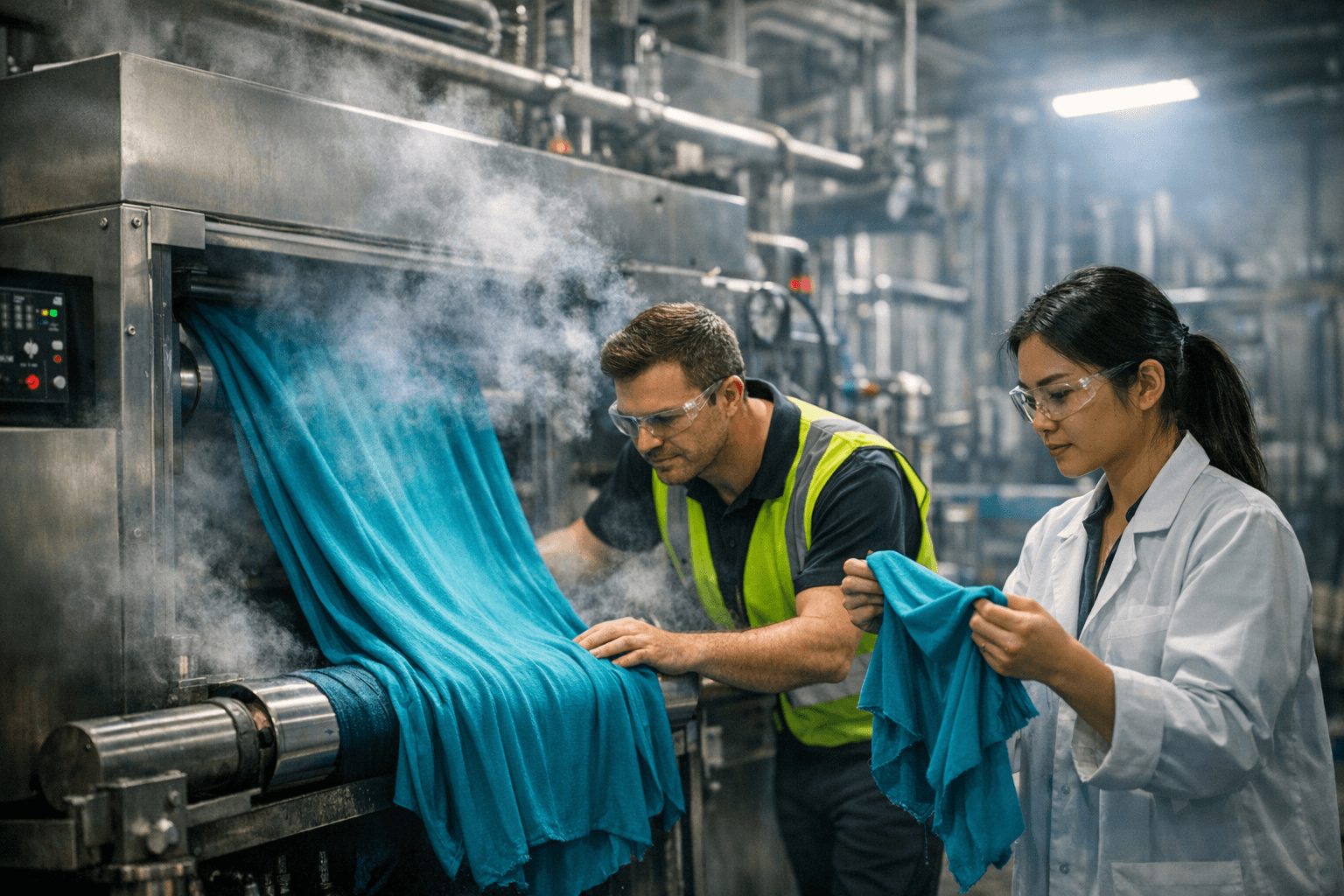
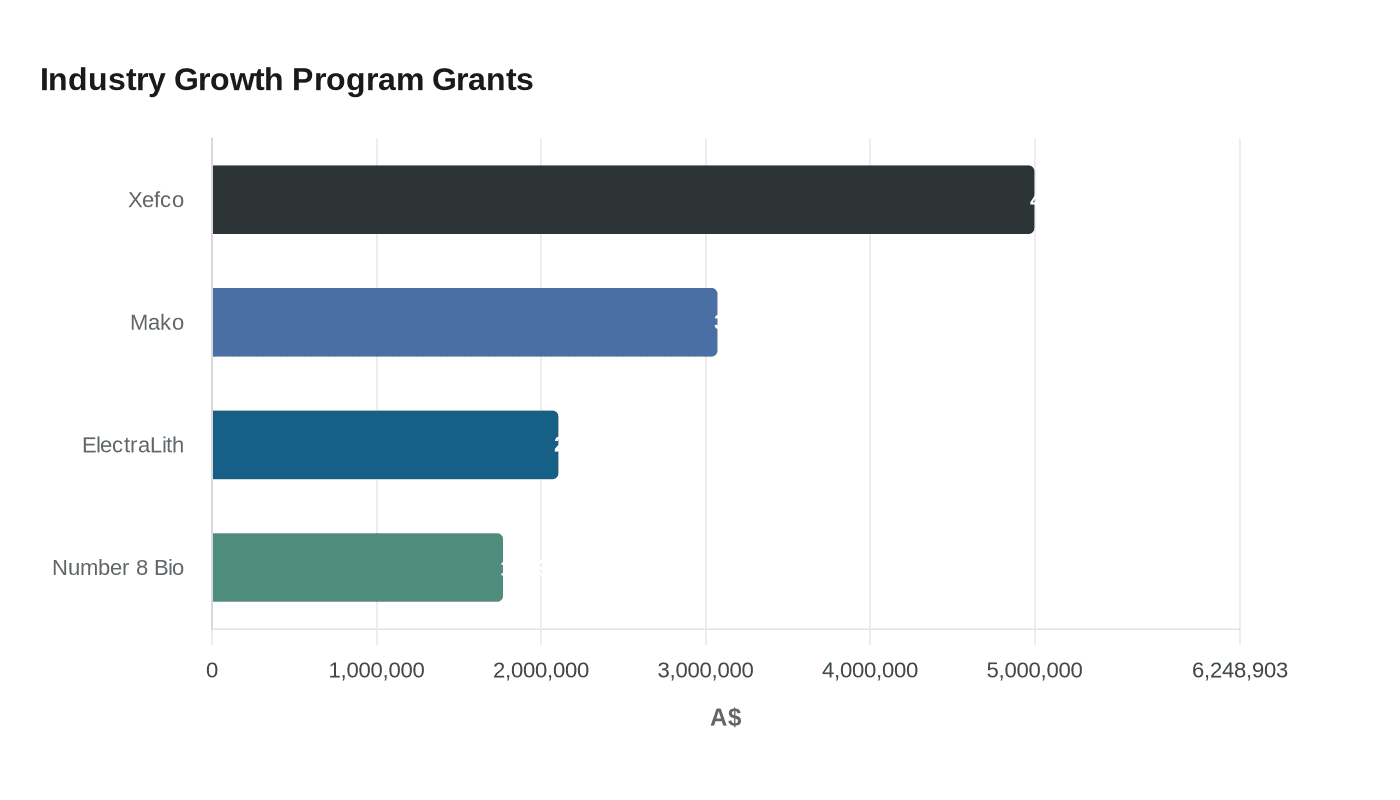
Australia's Industry Growth Program has deployed A$21.2 million in matched grant funding across 13 new commercialisation projects, all of them aligned with government priority areas and intended to build domestic manufacturing capability. For sustainable fashion, the headline winner is clear: Melbourne-based Xefco received A$4,999,122 to manufacture its Ausora system and commercialise a process aimed at eliminating water and wastewater discharge from textile dyeing.
The scale of that problem is worth sitting with. Jeans are one of the most worn garments in the world, but they are also one of the least environmentally friendly, taking around 75 litres of water to dye just one pair. Ausora employs a groundbreaking plasma coating process making possible completely water-free dyeing and finishing of textiles. It consumes 97% less chemistry and 90% less energy compared to traditional methods. Textile manufacturing is water and chemically intensive, and this sustainable solution has global potential, the Department of Industry, Science and Resources noted in its 16 March 2026 announcement.
Xefco's technologies are already used by some of the world's leading technical apparel and fashion brands, including Zara and The North Face. Co-founder Tom Hussey has described the systems as "a standalone drop-in solution" that allows manufacturers to divert production away from conventional processes by eliminating several steps used in traditional methods, with a single machine capable of replacing up to 10 machines required for conventional processes. The new federal grant puts serious manufacturing muscle behind a technology that has, until now, been operating largely at pilot scale.
The broader Industry Growth Program injection of A$21.2 million in matched grant funding targets 13 projects aimed at strengthening manufacturing capability and supporting small and medium enterprises and startups. Other recipients in this funding round cut across deep-tech sectors that feed directly into sustainable industry supply chains. ElectraLith received A$2,105,746 to test a sustainable extraction and refining process for battery-grade lithium and to help set up a pilot test site. Mako, formerly known as MicroTau, took A$3,072,870 to develop in-house manufacturing for its shark skin-inspired film that reduces drag on aircraft and cuts fuel consumption and emissions by up to 4%. Number 8 Bio received A$1,769,237 to scale manufacturing for BetterFeedPro, a feed supplement that reduces methane, and to support field trials with major beef and dairy operators.
The grants follow participation in the Industry Growth Program's Advisory Service, where more than 2,000 businesses have received expert and tailored advice. Early-Stage Commercialisation grants within the program offer between A$50,000 and A$250,000, targeting projects at the feasibility study, proof-of-concept, and prototyping stages, while larger Commercialisation and Growth grants stretch up to A$5 million for projects closer to market-readiness. Xefco's award, at just under that ceiling, signals exactly where the Ausora system sits on that journey: past concept, past prototype, now pointed squarely at full commercial production.
For a fashion industry that has spent years debating water consumption in the dyeing process without a scalable alternative, the government's A$4,999,122 bet on Xefco is less a conversation-starter than a starting gun.
This article was produced by Prism’s automated news system from verified source data, official records, and press releases, then run through automated quality and moderation checks before publishing. The system is built and supervised by the people who set the standards it runs under. Read our full AI policy.
Did this article answer your question?


