Xinjiang cotton risks rise as EU forced-labour ban nears
Cotton leaves Xinjiang, but the labour risk does not. EU rules now force brands to prove traceability deeper than the factory gate.
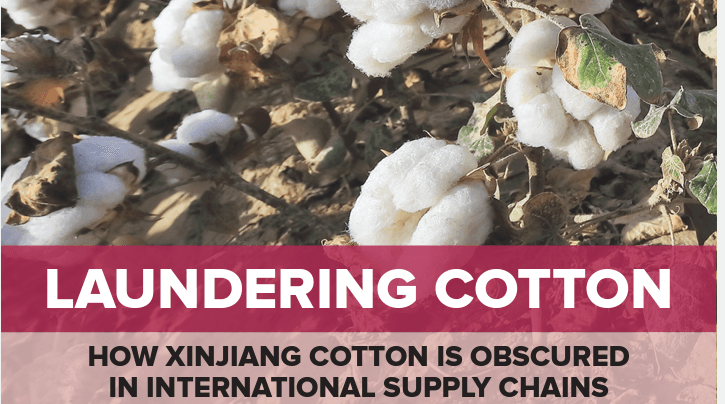
What evidence counted as credible traceability when cotton left Xinjiang and the labour risk moved deeper into China’s supply chain? That was the practical question facing sourcing and compliance teams as forced-labour enforcement tightened in Europe and the United States.
The European Union adopted Regulation (EU) 2024/3015 on 27 November 2024 and published it in the Official Journal on 12 December 2024. The law prohibited products made with forced labour from being placed on, made available on, or exported from the Union market. It also set out a Commission database of forced-labour risk areas or products, a sign that enforcement would lean on more than broad statements of policy. In the United States, the Uyghur Forced Labor Prevention Act had already been in force since 23 December 2021, while the State Department’s Xinjiang supply-chain advisory kept warning businesses about links to entities involved in human-rights abuses, including forced labour.
Cotton sat at the center of the exposure. USDA Foreign Agricultural Service reporting said Xinjiang accounted for 90.9% of China’s cotton production in MY 2023/24, and a 2025 forecast said the Chinese government would continue target-price subsidies for Xinjiang cotton to maintain planted area and production. China Fiber Inspection Center data cited by FAS put Xinjiang cotton production at 6.68 million metric tons in MY 2024/25. At that scale, traceability was no longer a tidy audit trail at the garment factory; it was a test of whether brands could follow fibre, freight and processing back to the field.
That pressure had sharpened because forced-labour transfers of Uyghur workers out of Xinjiang had increased significantly after zero-Covid ended. UN independent human-rights experts said on 7 September 2022 that grave human-rights violations in Xinjiang should not be ignored, and the UN Human Rights Office said allegations had been mounting since late 2017. In January 2026, UN experts warned that coercive labour-transfer schemes in Xinjiang and Tibet may amount to a crime against humanity. A month later, the first high-speed express cotton train linking Xinjiang with eastern textile hubs raised fresh fears that the logistics of moving cotton across China could make due diligence even murkier.
For H&M Group, Inditex and Nike, the stakes were not abstract. The old comfort blanket of factory-level due diligence looked thinner by the day. What mattered now was whether brands could prove credible traceability deep into raw-material sourcing, in a market where cotton could be transferred, mixed and freighted long before it reached a mill.
This article was produced by Prism’s automated news system from verified source data, official records, and press releases, then run through automated quality and moderation checks before publishing. The system is built and supervised by the people who set the standards it runs under. Read our full AI policy.
Did this article answer your question?


