eco-conscious clothing brands using organic cotton and upcycled materials
Organic cotton and upcycled fabric are only the start. The real test is proof: repair, supplier disclosure, and third-party standards that survive scrutiny.
The real eco-friendly flex is proof
The smartest sustainable pieces do not beg to be believed. They tell on themselves in the fiber tag, the seam finish, the care label, and the brand’s ability to answer basic questions without spinning a campaign around it.
That is the standard now: not just organic cotton and upcycled material, but evidence. If a label wants credit for being lower-impact, it should be able to show what the garment is made of, where it was made, how long it is meant to last, and what happens when you are done with it.
What lower-impact actually looks like
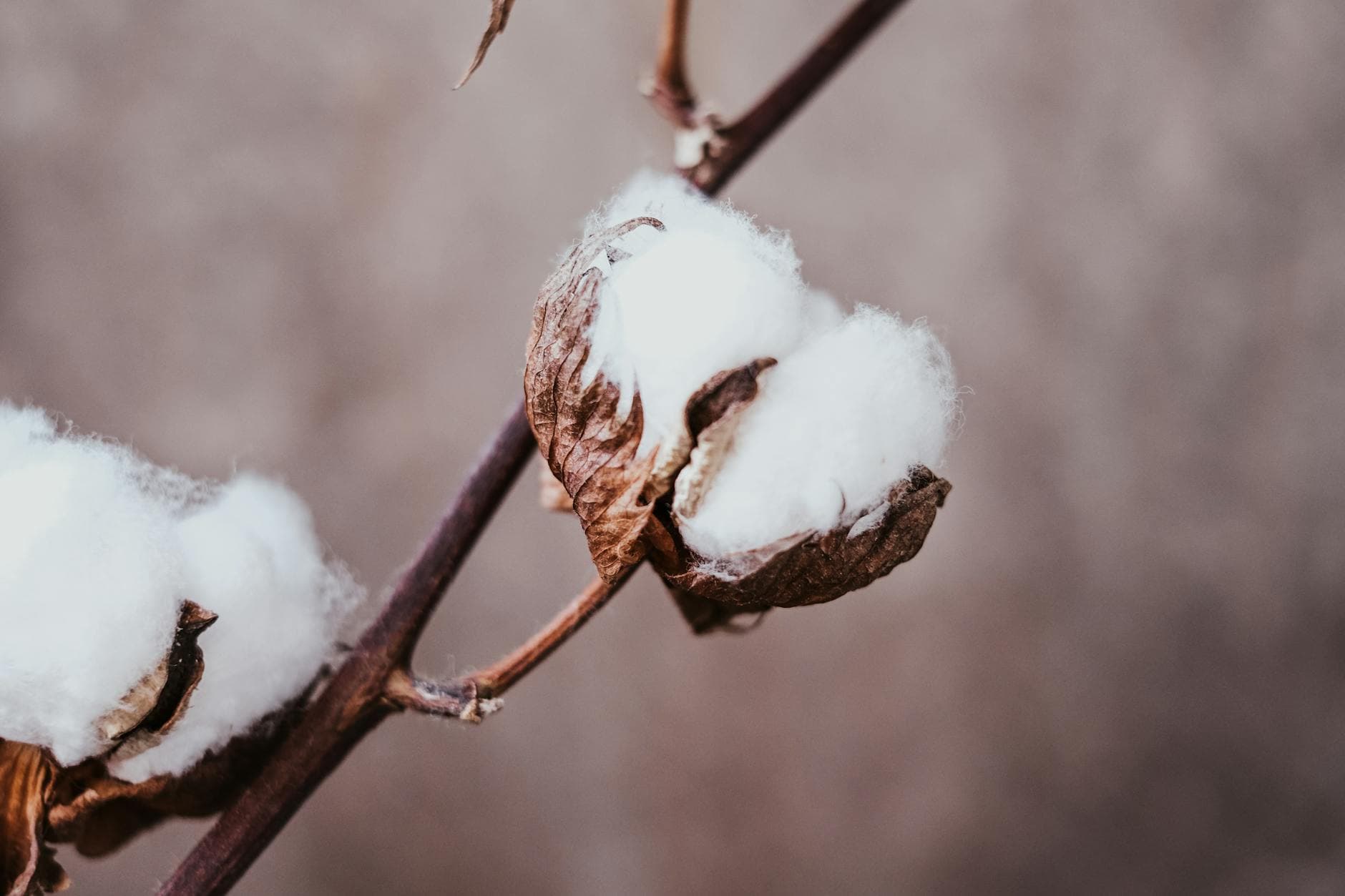
Organic cotton is a solid starting point because it shifts attention to how a fabric is grown, not just how it photographs on a rack. But the cleaner the branding gets, the harder you need to look at the full picture. Textile Exchange’s 2026 cotton life-cycle work makes that plain: environmental impact changes by production system and by region, and the study includes data from Bangladesh, Brazil, China, India, Pakistan, Peru, Tanzania, Türkiye, and the United States.
That matters because a soft ivory tee or a crisp poplin shirt can come from very different realities. Organic cotton can be part of the answer, regenerated or recycled cotton can be part of the answer, and country-average data can also reveal how messy the comparison gets. The point is simple: material claims mean more when they are specific, not when they are used like perfume.
Upcycled materials bring another layer of credibility. They keep existing textiles in circulation and give deadstock, surplus fabric, or post-consumer waste a second life instead of sending it straight to the dump. On the body, that often shows up as patchwork, tonal variation, or a slightly irregular hand-feel, the kind of texture that reads intentional when the cutting is smart.
Low-impact dyes are another tell. If a brand talks about them, it should also be able to explain what that means in practice, not just use the phrase as a mood board. The best labels make the color story look easy, but the real work is in reducing the chemical load behind that color.
The receipts that separate proof from marketing
A brand that is genuinely lower-impact usually leaves a paper trail. A brand that is greenwashing usually leaves vibes.
Look for these proof points:
- Material breakdowns, not vague promises. A real product page says exactly how much of the garment is organic cotton, how much is recycled, and what the other fibers are. If the fabric content is fuzzy, the claim is fuzzy too.
- Supplier disclosure. The stronger labels name mills, cut-and-sew partners, farms, or factories. That kind of visibility is not decoration. It is accountability.
- Third-party certifications. Independent verification matters because it is harder to fake than a sustainability slogan. If a brand talks about standards, it should say which ones and what they cover.
- Repair, resale, and take-back options. If a brand claims to care about longevity but has no repair path, no resale channel, and no clear take-back system, it is selling the idea of durability, not durability itself.
- Low-impact dye and chemical language with specifics. Real detail beats broad language every time. Look for chemical-management policies, not just the word “eco.”
The absence of detail is the giveaway. If a brand can tell you the mood of the collection but not the composition of the cloth, keep moving.
Why transparency matters more than a pretty campaign
Fashion Revolution’s transparency tracking exposed how much the industry still hides. In its 2021 Fashion Transparency Index, only 17% of major brands disclosed raw-material carbon footprints, and just 5% disclosed raw-material water footprints.
That is not a minor gap. It means most of the market still wants credit for impact it has not measured out loud. When a brand does disclose those numbers, that is worth paying attention to because it goes beyond storytelling and into accounting. Carbon and water at the raw-material stage are where a lot of the real damage starts, long before the garment reaches a fitting room.
For shoppers, that means a pretty campaign image is the least interesting thing on the page. The useful thing is disclosure. If a label publishes traceable data, names its suppliers, and explains its material choices, you can actually compare one brand to another instead of just comparing graphics.
Waste is the part no capsule wardrobe fixes on its own
UNEP is blunt about the scale of the problem. The fashion and textile sector sits on the front line of climate change, biodiversity loss, pollution, and waste. It also says the textile industry produces 2% to 8% of global greenhouse gas emissions and uses 86 million Olympic-sized swimming pools’ worth of water every year.
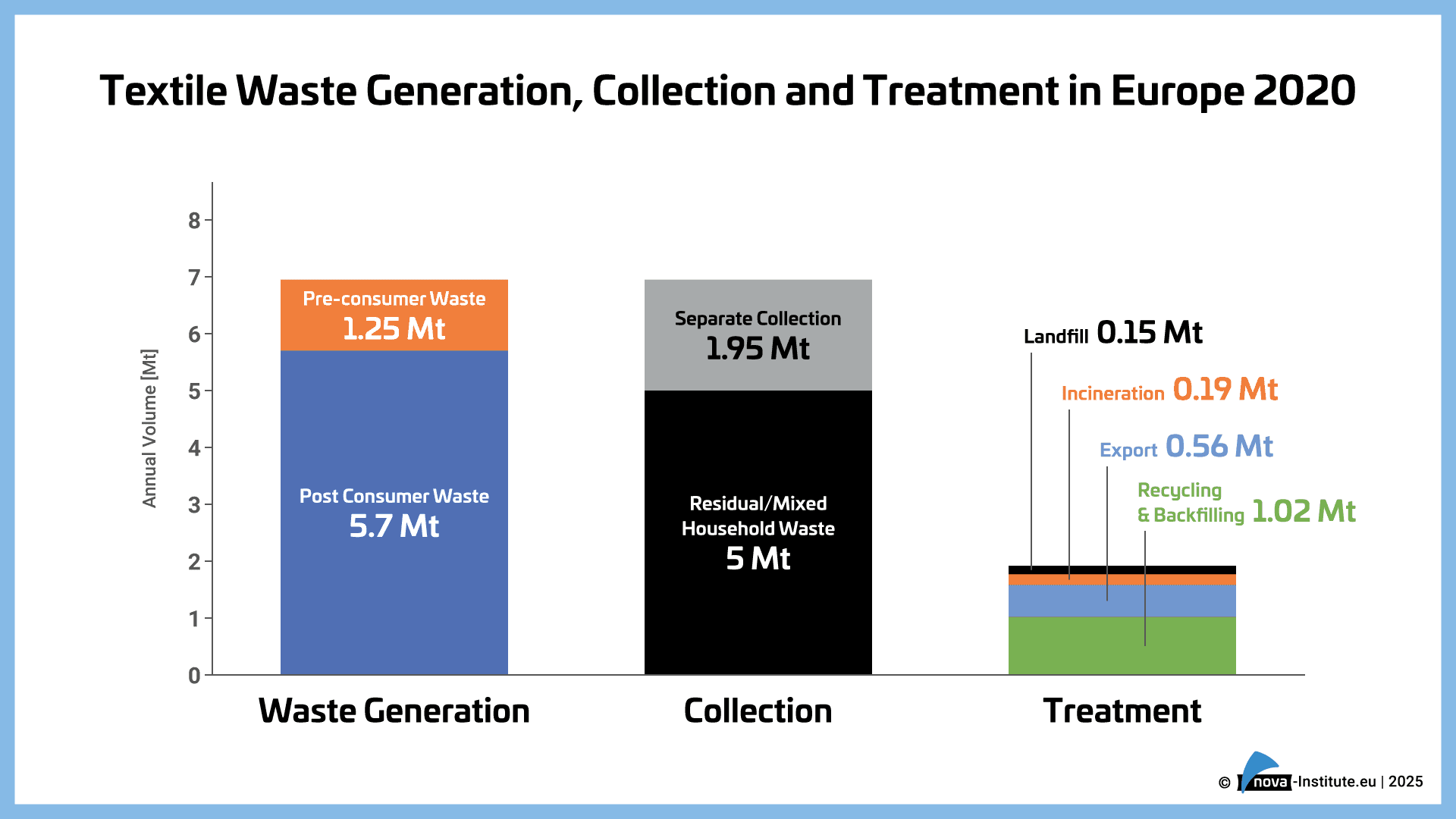
That is why “buy less, buy better” is only half the script. The other half is what happens after purchase, and right now the system is failing. The Ellen MacArthur Foundation says more than 80% of textiles discarded around the world leak out of the system through incineration, landfill, or environmental dumping.
That is the part brands love to skip over in glossy sustainability copy. Real circularity means separate collection, sorting, reuse, repair, and recycling systems that actually catch garments before they become waste. Extended producer responsibility is the policy lever the Ellen MacArthur Foundation points to because someone has to fund that infrastructure. If a brand does not support repair or recovery in a meaningful way, it is still part of the throwaway model, just with softer lighting.
How to shop like someone who knows the game
When a brand claims sustainability, run it through a fast reality check:
- Start with the fabric label. Organic cotton and upcycled materials are good signs, but only if the percentages are clear.
- Look for traceability. Named suppliers and factories beat polished language every time.
- Check whether the brand repairs what it sells. A real longevity story includes mending, not just marketing.
- Look for resale or take-back programs with a purpose. A take-back bin is not enough if the clothes disappear into vague recycling promises.
- Treat transparency as a luxury signal. In this market, the brands willing to show their work are the ones most worth your attention.
That is especially true now, because the industry backdrop is not exactly serene. McKinsey and The Business of Fashion found that 46% of executives expected conditions to worsen in 2026, while 25% expected improvement. Tariffs, economic volatility, and changing consumer priorities are forcing the sector to justify every claim it makes, which is exactly why the brands with the cleanest receipts will stand out.
The next wave of sustainable fashion will not be won by the loudest marketing. It will be won by the labels that can prove their cotton, prove their supply chain, and prove they are built for more than one season of praise.
This article was produced by Prism’s automated news system from verified source data, official records, and press releases, then run through automated quality and moderation checks before publishing. The system is built and supervised by the people who set the standards it runs under. Read our full AI policy.
Did this article answer your question?