Resale marketplaces sharpen marketing as secondhand fashion surges
Secondhand is growing fast, but the real fight is for trust, price clarity and proof that resale is more than a bargain bin.

The resale market is no longer scarce. It is crowded, branded and fighting for attention.
That is the real story behind the newest secondhand boom: marketplaces from eBay to Poshmark are not just filling racks with used clothes, they are sharpening their pitch. In a field where inventory can look interchangeable, the difference now lives in the message, the trust signal and the ease of the transaction. The platforms that win will be the ones that make resale feel less like rummaging and more like a smart, confident way to shop.
A market with momentum, not a fad
The numbers are too large to dismiss as a passing trend. ThredUp says the U.S. secondhand apparel market grew 14% in 2024 and is expected to reach $74 billion by 2029. Its broader global projection is even more striking: $367 billion for secondhand apparel by 2029, with a separate 2026 report projecting the global secondhand market at $393 billion by 2030. GlobalData puts the apparel resale market’s 2024 growth at 16.8% and sees another 13.7% rise in 2025.
The scale of the opportunity explains the marketing scramble. Boston Consulting Group and Vestiaire Collective estimate the secondhand fashion and luxury market at roughly $210 billion to $220 billion today, with room to climb to $360 billion by 2030. That is not a side business. It is a structurally important retail channel, growing fast enough to pressure both independent resale players and the platforms that have treated pre-owned goods as an add-on.
What actually moves a shopper
The most persuasive resale marketing does not sound like morality. It sounds like utility. eBay’s 2025 Recommerce Report says nearly 9 in 10 consumers plan to maintain or increase their spending on pre-loved goods in 2025, with 59% of Gen Z and 56% of Millennials saying they will spend more. That is a generational signal, but it is also a practical one: people are still buying because resale solves a real problem.
BCG says affordability is the top reason shoppers turn to secondhand for eight in ten consumers. ThredUp adds another layer of pressure, saying 59% of consumers would seek more affordable options like secondhand if tariffs and trade policies make apparel more expensive. In other words, resale does not need to invent desire. It needs to reduce friction and prove value.
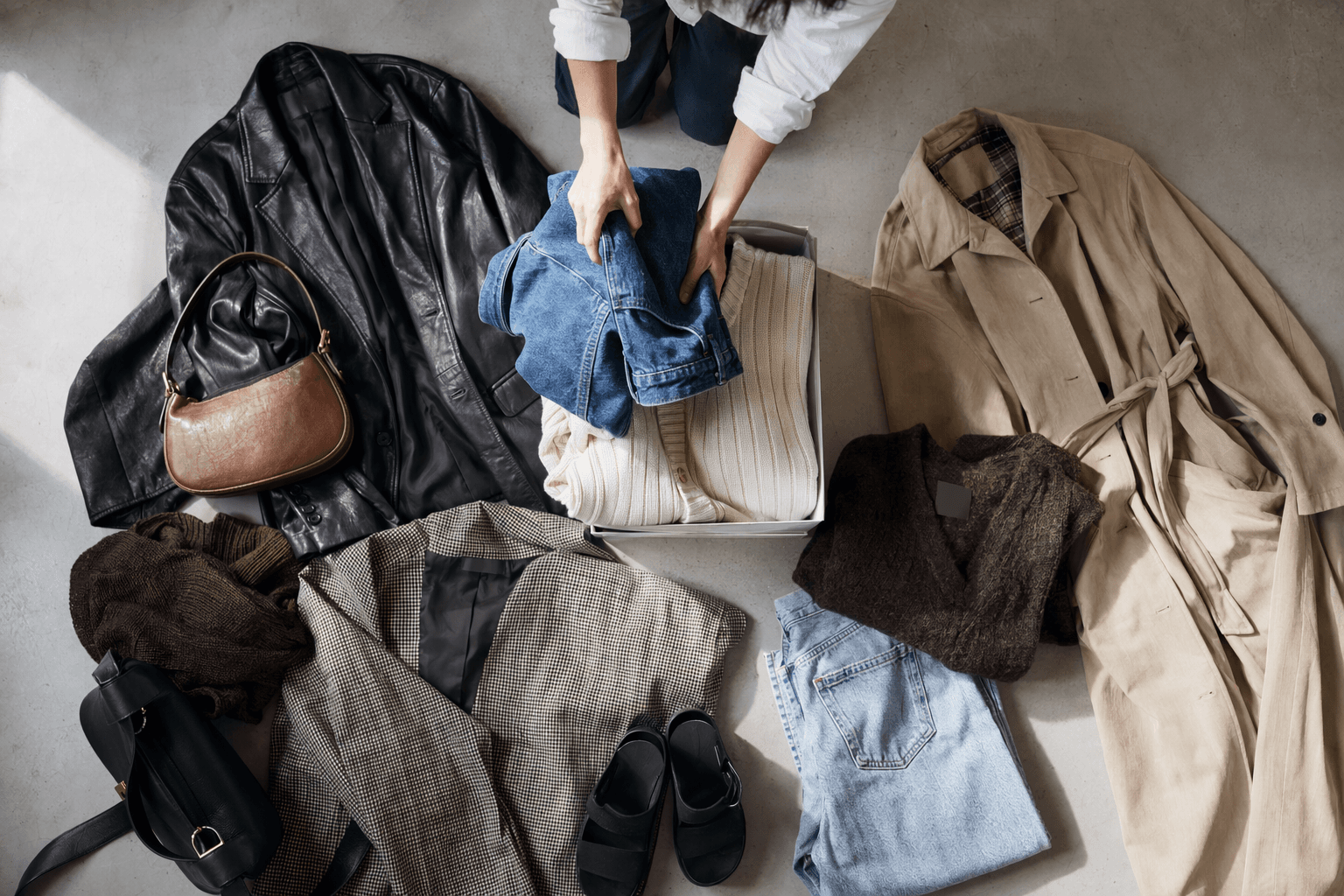
The clearest proof is already in wardrobes. BCG says resale accounts for 28% of wardrobes among surveyed shoppers, rising to 30% for clothing and 40% for handbags. Those are not experimental purchases. They suggest resale has become part of how people fill gaps, replace basics and chase the thrill of finding something better than retail.
Why branding matters more in a crowded secondhand aisle
As the market expands, messaging starts to decide who gets remembered. Business of Fashion describes a resale landscape where marketplaces are upping their marketing game to show what makes them unique. That distinction matters because the old secondhand promise, cheap and sustainable, is no longer enough on its own. Nearly every platform can claim those benefits. The stronger message is more specific: access to out-of-stock goods, collectible pieces, authenticated luxury, cleaner pricing and a more seamless listing experience.
This is where the smartest platforms are separating themselves. ThredUp says resale is being shaped not only by consumer demand but by social commerce, AI applications, trade organizations and government and policymaker engagement. eBay has tied its recommerce strategy to new AI tools as well as environmental and economic impact goals, aiming from 2021 to 2025 to drive $22 billion in positive economic impact, prevent 8 million metric tons of carbon emissions and divert 350,000 metric tons of waste from landfills. Those targets give the platform a broader narrative, but the day-to-day battle is more intimate: can buyers trust the listing, and can sellers price it without guesswork?
That is the emotional center of resale now. Not virtue. Confidence.
Trust is the new currency
In a crowded secondhand market, authentication is not a nice-to-have. It is the marketing message that can convert hesitation into habit. BCG says fashion and luxury brands increasingly see resale as a key channel, and it argues that authentication and trust have become competitive issues. That is crucial because resale used to be framed as a bargain hunt, where uncertainty was part of the thrill. Today, uncertainty is the cost of doing business.
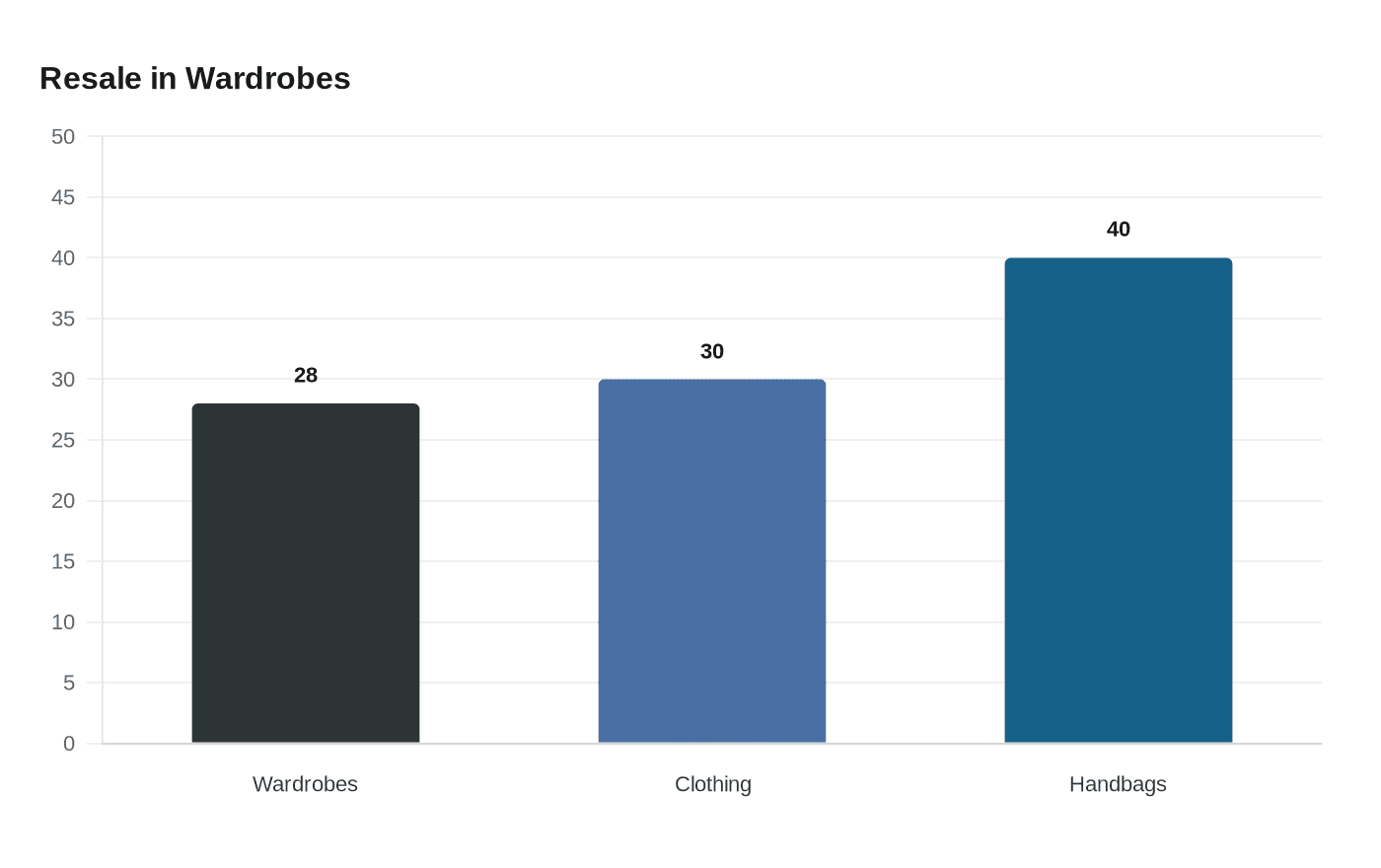
For luxury buyers especially, trust changes behavior. A shopper who wants a handbag at 40% of wardrobe share within resale is not just looking for a deal. They are looking for reassurance that the piece is real, accurately described and fairly priced. That same logic applies to everyone buying basics, outerwear or denim: the platform that can make condition, provenance and value legible is the platform that feels worth returning to.
The new selling proposition is convenience
The strongest resale messages do more than celebrate sustainability. They lower the effort required to participate. Ease of listing matters because a marketplace with dormant sellers cannot keep inventory fresh. Pricing transparency matters because shoppers have become more suspicious of vague discounts and inflated “compare at” theatre. Trust matters because every unresolved doubt slows the sale. Sustainability credibility matters, too, but only when it feels tied to action rather than atmosphere.
That is why the most effective platforms are not just talking about impact. They are making the experience feel efficient. AI tools can help surface search results, suggest prices and reduce friction. Social commerce can turn scrolling into shopping. Better authentication can shorten the distance between interest and checkout. Together, those shifts change resale from an occasional treasure hunt into a repeatable habit.
What this means for fashion’s future
The secondhand boom is broad-based enough to outlast a single trend cycle. It is being pulled forward by affordability, by a generation used to buying across platforms, and by the simple reality that shoppers want more value for their money. It is also being pushed by structural forces that make new apparel feel more expensive and less certain.
That is why the most important fight in resale is not over who has the most listings. It is over who can prove the most value, with the least friction, to the most skeptical shopper. The marketplaces that win will not merely claim to be sustainable. They will feel easier, safer and smarter than buying new, and that is how secondhand stops being an alternative and becomes a durable part of how fashion is bought.
This article was produced by Prism’s automated news system from verified source data, official records, and press releases, then run through automated quality and moderation checks before publishing. The system is built and supervised by the people who set the standards it runs under. Read our full AI policy.
Did this article answer your question?