Digital Product Passports Face Real-World Challenges in Textile Supply Chains
Accelerating Circularity brought traceability providers, recyclers, and DPP specialists to Munich on 18 March, exposing how far textile supply chains still are from passport-ready data.

Performance Days confirmed its status as a key international meeting point for the functional textiles sector during its latest edition in Munich on 18–19 March 2026. On the first morning, Accelerating Circularity convened a cross-sector panel drawing together traceability providers, recyclers, and Digital Product Passport specialists to confront a problem the industry can no longer defer: how, in practice, do you actually implement a DPP across a complex textile supply chain?
The timing was pointed. Digital Product Passports are set to be phased in across the EU from 2026 to 2030, with the delegated act for textiles anticipated to be published in late 2026 or early 2027, likely providing companies 12 to 18 months to comply. Textiles will demand comprehensive information on fibre composition, chemical treatments, water consumption metrics, worker welfare documentation, and detailed care instructions supporting long-term durability. Discussions at the fair reflected a clear transition within the industry from conceptual sustainability goals to practical implementation, with circularity, recycling efficiency, and regulatory readiness emerging as recurring themes.
The regulatory architecture driving all of this is the EU's Ecodesign for Sustainable Products Regulation. The ESPR entered into force on 18 July 2024, and the Digital Product Passport is one of its central new measures. Under that framework, textiles are a priority product group under ESPR and the EU Circular Economy Action Plan. The definition of a textile DPP is more demanding than marketing language might suggest: these are digital, structured records linked to individual products or product batches storing verified information about a product's composition, origin, sustainability, and lifecycle, designed to make that data transparent, accessible, and usable across the entire value chain. As one regulatory analysis puts it plainly: "This is not marketing content — it is regulated, auditable data."
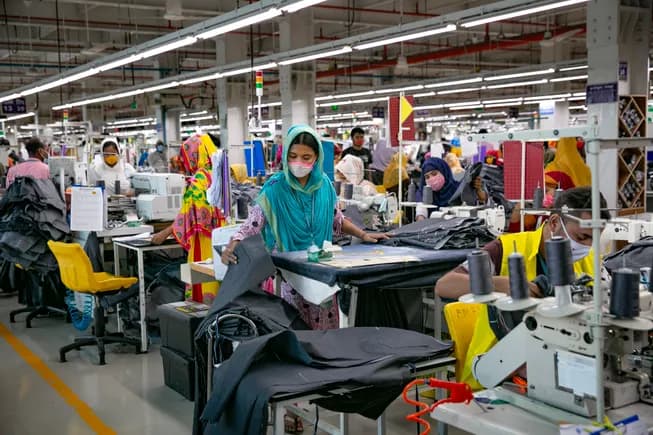
The data fields required are granular. Textile DPPs must disclose detailed fibre composition, covering materials such as cotton, polyester, and viscose, along with blend percentages, fabric weights, and the use of chemicals, dyes, and finishing treatments. The purpose is precise: accurate material data enables recyclability, safe handling, and regulatory verification, and prevents greenwashing claims. For a global industry built on multi-tier supplier networks, assembling that data into a standardised, machine-readable format is where theory collides with operational reality. Gathering upstream data from suppliers is a process that can take up to a year.

Digital product passport success fundamentally depends on supplier data quality and cooperation, yet multinational supply chains present extraordinary complexity. That friction sits at the core of the challenges the Performance Days panel addressed. Many brands are approaching DPPs with the wrong assumptions, which slows decisions. The gap between treating a passport as a marketing asset and treating it as the auditable compliance instrument the regulation demands is exactly where implementation stalls.
There is, however, a broader opportunity latent in the obligation. Sustainability managers can use DPPs to extend product lifespan, promote recyclability, and integrate resale or repair services, connecting the passport to the kind of circular business models that justify the infrastructure investment. Technologies including blockchain and AI are being applied to improve traceability from simple supplier mapping toward multi-tier visibility across the full value chain. By July 2026, the EU will establish a central digital registry to serve as centralised storage for all DPP data, providing the backbone that will make these systems interoperable at scale.
Marco Weichert, CEO of Performance Days, noted that the event continues to function as a working platform for the industry's future, highlighting strong engagement in the Expert Talks programme and workshops. The DPP panel's presence on that programme was itself a signal: the passport conversation has moved from the policy brief to the factory floor, and the industry's most pressing task now is closing the distance between the two.
This article was produced by Prism’s automated news system from verified source data, official records, and press releases, then run through automated quality and moderation checks before publishing. The system is built and supervised by the people who set the standards it runs under. Read our full AI policy.
Did this article answer your question?