Bangladesh eases union rules, expands worker protections in labour overhaul
Bangladesh cut the union-formation barrier in its garment sector, but the real test is whether new anti-retaliation rules can reach factory floors.
Bangladesh has loosened one of the garment industry’s most consequential choke points. The Parliament passed the Bangladesh Labour (Amendment) Bill on 9 April 2026, replacing the old rule that required support from 20 per cent of a workplace’s workforce to form a union with fixed membership thresholds, including 20 members in workplaces of up to 300 workers.
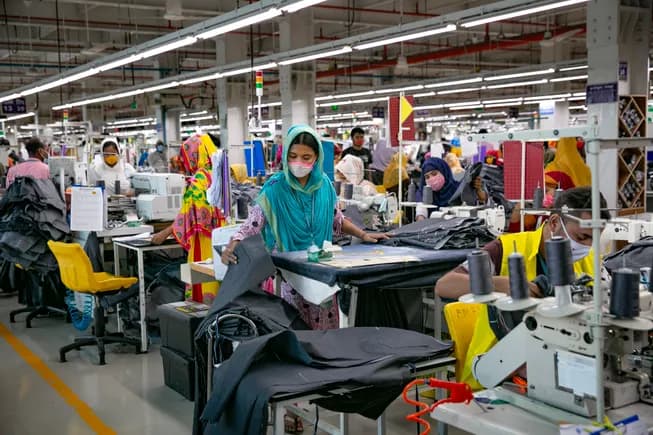
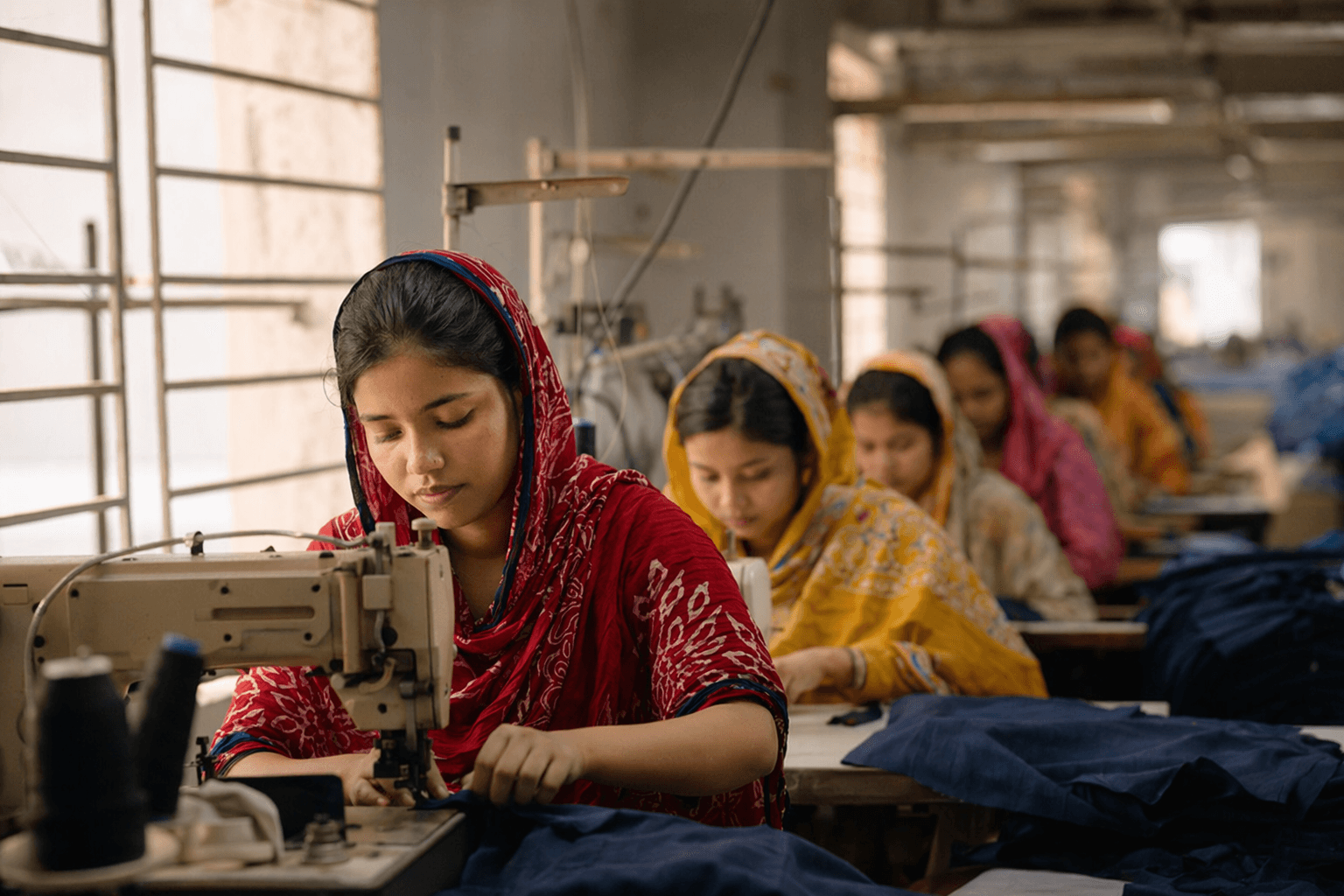
That change matters because Bangladesh’s factories are not abstract policy sites. They are crowded cutting rooms, needle lines and finishing floors where the balance of power has long tilted toward management. A smaller entry barrier makes it harder for employers to bury organizing efforts in headcounts alone, especially in the country’s dense supply-chain ecosystem, where subcontracting and rapid production cycles can leave workers vulnerable and invisible.
The overhaul goes beyond union numbers. It adds protections against anti-union discrimination, blacklisting, forced labour and sexual harassment, while banning employer-controlled unions and retaliation against workers who file complaints or join legal proceedings. It also expands maternity leave from 112 days to 120 days and raises festival holidays from 11 days to 13 days, small shifts that still alter the rhythm of life for workers who often build entire wardrobes for export while negotiating the most basic protections at home.
UNI Global Union called the law a meaningful step forward and said it brings Bangladesh closer to international labour standards. The Bangladesh Knitwear Manufacturers and Exporters Association, which represents knitwear producers, has objected, underscoring the familiar fault line between worker access and factory control. The question now is whether the change will mean more than paperwork on Dhaka desks.
That is where enforcement becomes the real hemline of the story. Bangladesh’s labour roadmap with the International Labour Organization dates to 2021, and in June 2024 a UN-ILO-backed Advancing Decent Work in Bangladesh project was launched with 24.7 million dollars from the European Union, Denmark, the Netherlands and Sweden. Those investments show how much external pressure still props up reform in a country whose garment sector remains under intense scrutiny after the Rana Plaza collapse in Savar on 24 April 2013, when more than 1,100 people died.
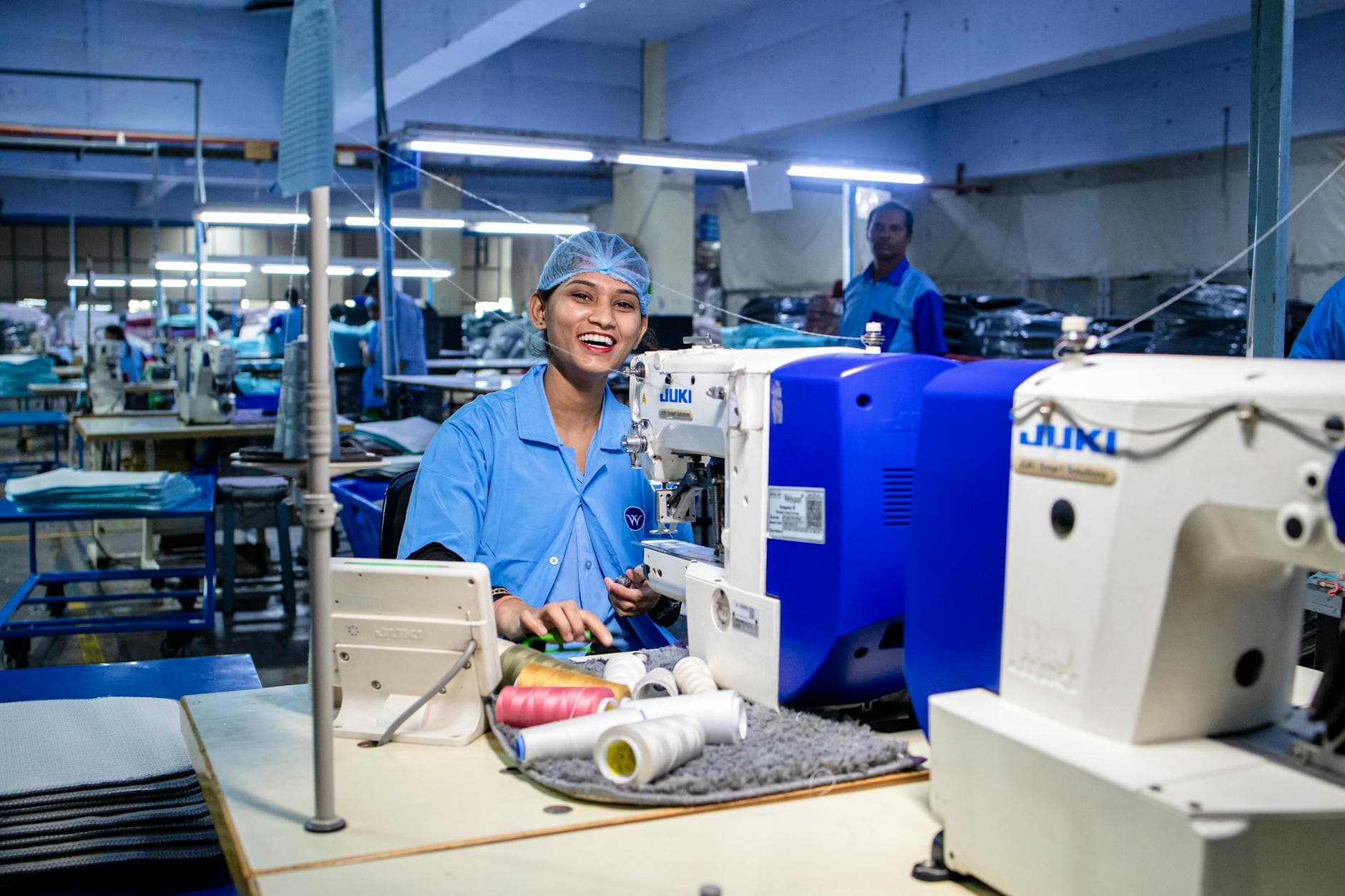
For brands sourcing in Bangladesh, the amendment raises the bar on oversight. Supplier management will have to account not just for wages and fire exits, but for whether workers can organize without being blacklisted, whether complaints trigger retaliation, and whether grievance systems are credible enough to stand up to a more assertive labour law. The rights gains are real on paper; the next test is whether factory floors feel them.
This article was produced by Prism’s automated news system from verified source data, official records, and press releases, then run through automated quality and moderation checks before publishing. The system is built and supervised by the people who set the standards it runs under. Read our full AI policy.
Did this article answer your question?