ICAC Launches Carbon Credits to Boost Cotton Farmers' Income
Cotton farmers could earn up to $200 a hectare if ICAC’s new carbon credits clear the MRV hurdle and sell as certified offsets.
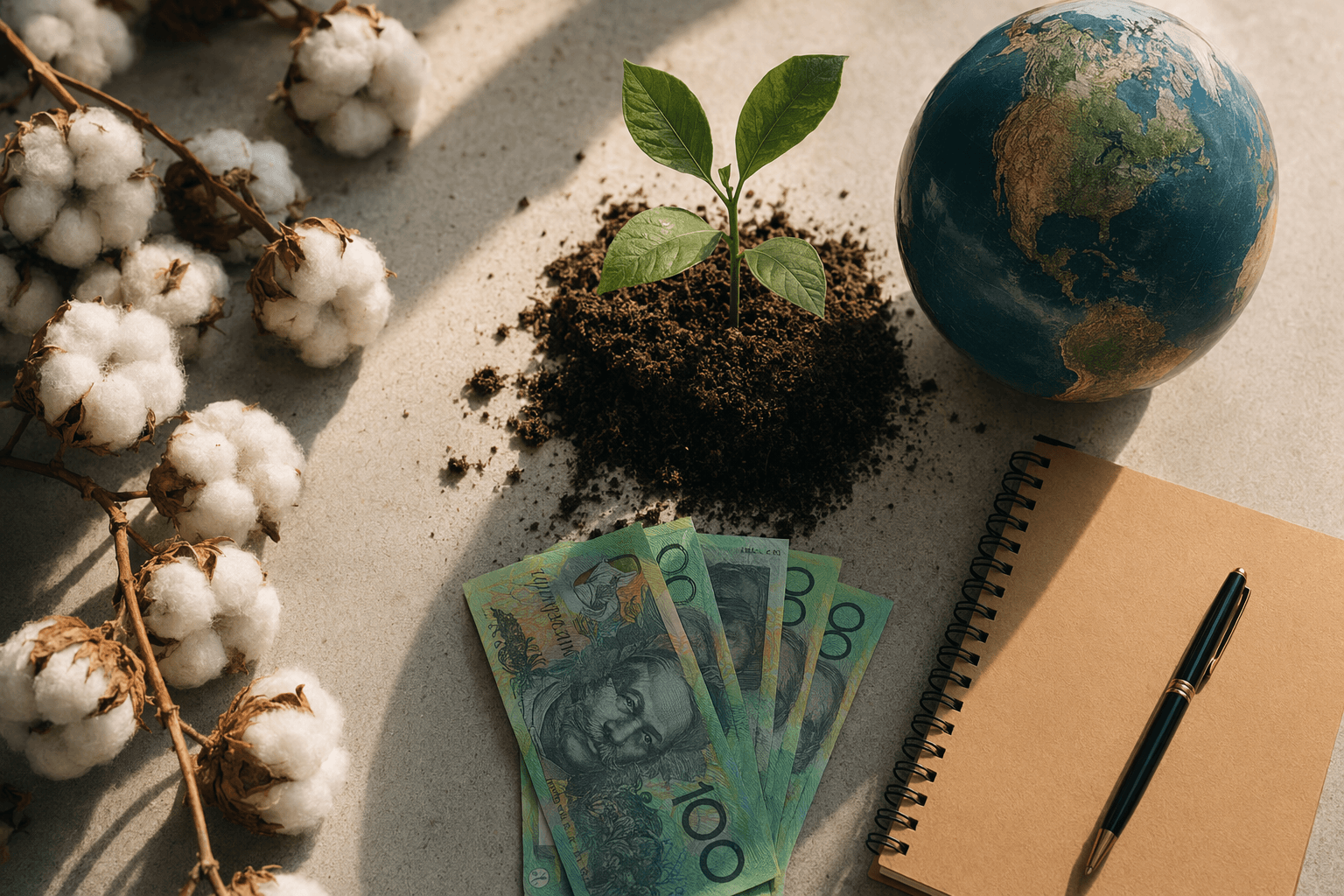
Cotton is trying to do something rare in fashion’s supply chain: pay farmers for cleaning up the land before a single T-shirt gets cut. The International Cotton Advisory Committee has launched a carbon-credit initiative that it says could add up to $200 per hectare in revenue for growers, using regenerative agriculture, biochar, and a monitoring, reporting and verification system to turn lower-emission farming into certified credits.
That is the whole bet, and it only works if the machinery is airtight. Farmers have to adopt practices that actually reduce emissions or store carbon in soil, those gains have to be measured, verified, certified to international market standards, and then sold. ICAC has already put a pilot in Uzbekistan, and it has tapped Merago Inc to handle MRV, certification, and trading. Without that chain, there is no payout, just another sustainability promise with good intentions and no money in the field.
The pressure point is credibility. ICAC’s earlier 2025 work with the Aid by Trade Foundation and bizpando AG suggested that biochar, minimal tillage, and cover crops could sequester as much as 5.75 tonnes of CO2 per hectare a year. That project also leaned on digital verification to prevent double counting and confirm where the credits came from. In other words, the scheme only holds if someone can prove the same hectare is not sold twice and the same ton of carbon is not counted twice. That is where agri-carbon lives or dies.
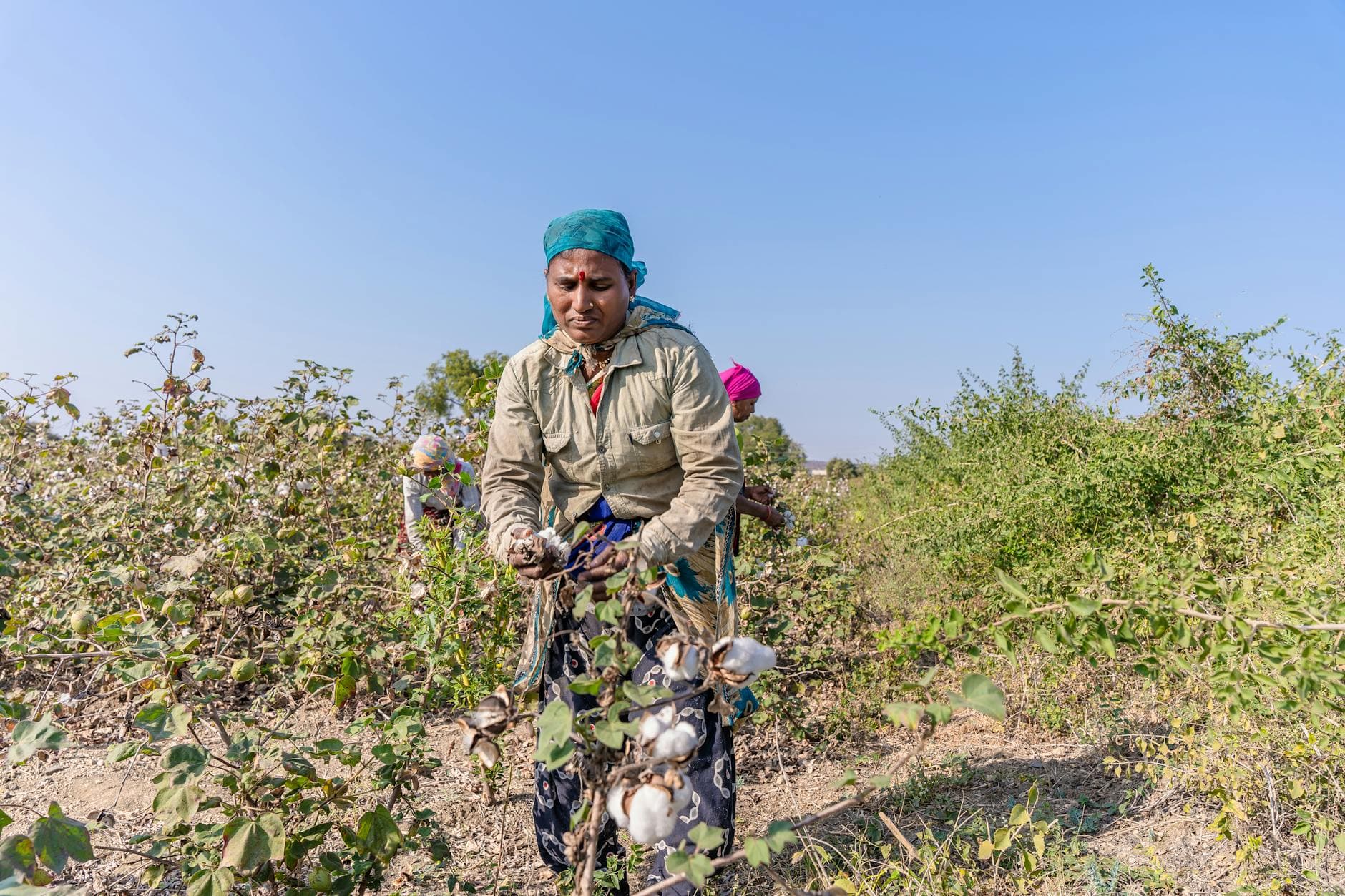
For cotton farmers, the upside is real if the market behaves. Biochar is not just a climate buzzword here. ICAC has said it can improve soil structure, retain water, and help cut pesticide and fertilizer use, which means the carbon play also has to look like a farm-economics play. That matters in a sector where input costs keep climbing and climate variability keeps squeezing margins. ICAC’s own plenary in Bremen on March 23 and 24 laid out the broader backdrop: world cotton production for 2026/27 is projected to fall 4 percent to 24.9 million tonnes, while consumption sits near 25 million tonnes.
The bigger question is who captures the value. Farmers may generate the credits, but certification bodies, traders, and program partners all take a cut somewhere in the chain. That is why ICAC’s pitch to governments, private-sector buyers, and experts matters: scaling this model across cotton countries will depend on whether smallholders actually see cash, not just climate language. ICAC was formed in 1939 and says it is the only intergovernmental commodity body covering cotton recognized by the United Nations. Now it is trying to turn that authority into a carbon market lane for cotton. If it works, the next soft white staple in your closet starts with a more valuable hectare in the ground.
This article was produced by Prism’s automated news system from verified source data, official records, and press releases, then run through automated quality and moderation checks before publishing. The system is built and supervised by the people who set the standards it runs under. Read our full AI policy.
Did this article answer your question?


