World Collective expands Denim Deal partnership to scale circular denim supply
World Collective’s Denim Deal expansion puts vetted mills and recyclers in front of buyers, testing whether recycled cotton can move from pledge to scale.
Circular denim just got a more useful front door. World Collective expanded its partnership with Denim Deal on May 1 to raise the visibility, accessibility and global reach of suppliers aligned with Denim Deal’s circular denim criteria, turning a sustainability promise into a sourcing tool buyers can actually use.
The immediate change is practical. World Collective says a curated Denim Deal Collection will soon go live, giving brands access to vetted denim suppliers, mills and recyclers inside its digital sourcing ecosystem. That matters because circular denim has long been held back less by the idea than by the hunt: finding approved partners, checking material claims and matching recycled-content requirements to factory capacity. World Collective also says the partnership could support traceability and compliance pilots, including digital product passport work, which would matter most to sourcing teams trying to prove where a jean came from and what is in it.
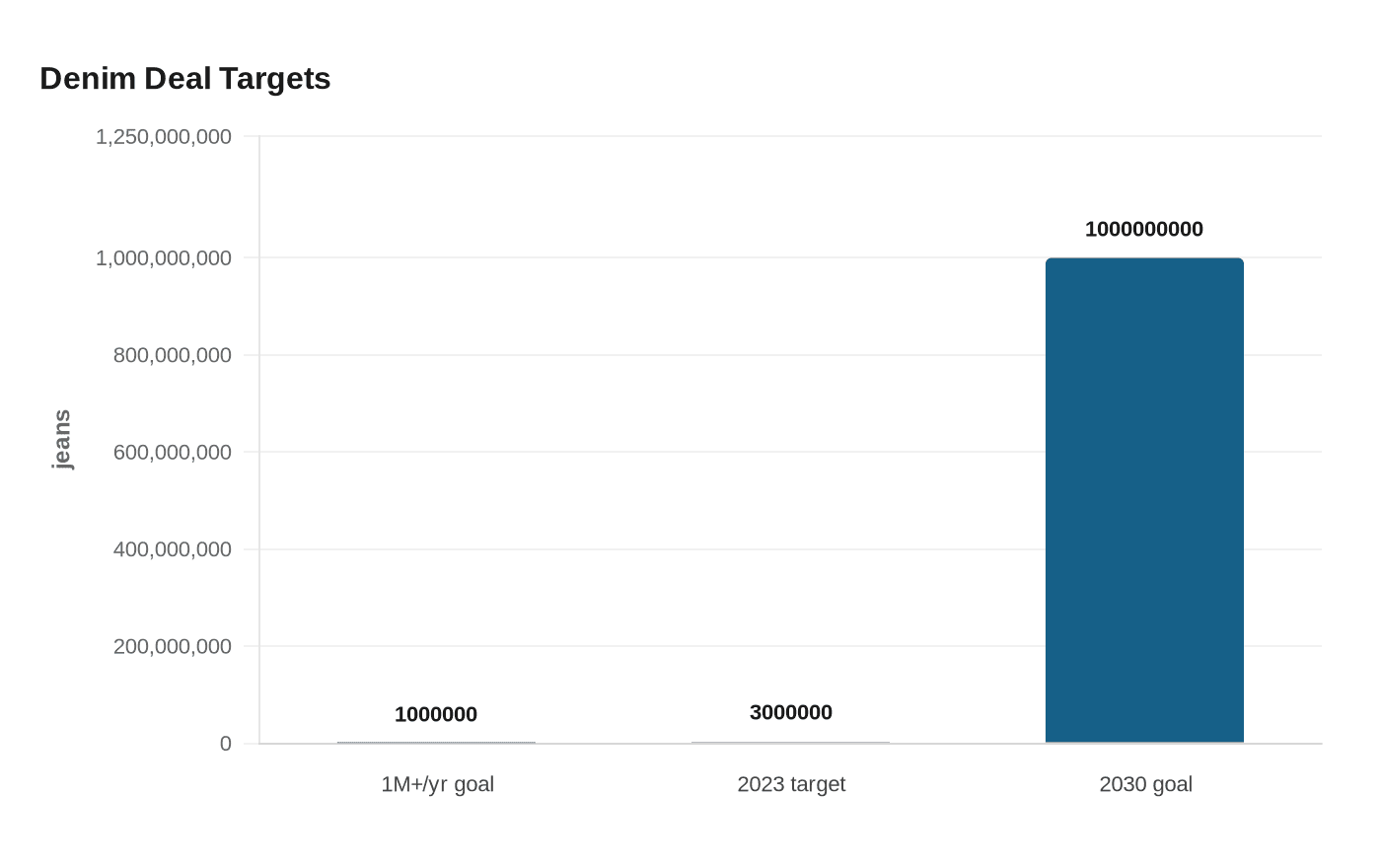
The scale target behind the move is far from modest. Denim Deal, launched in 2020 as part of the Dutch C-233 Green Deal, says its headline goal is 1 billion jeans containing at least 20% post-consumer recycled cotton by 2030. The initiative originally aimed to collectively produce 3 million jeans with 20% post-consumer recycled cotton by the end of 2023, after an earlier target of more than 1 million jeans with 20% post-consumer recycled content each year. That progression tells the story of the category: the ambition has grown faster than the infrastructure, and this partnership is meant to narrow that gap.
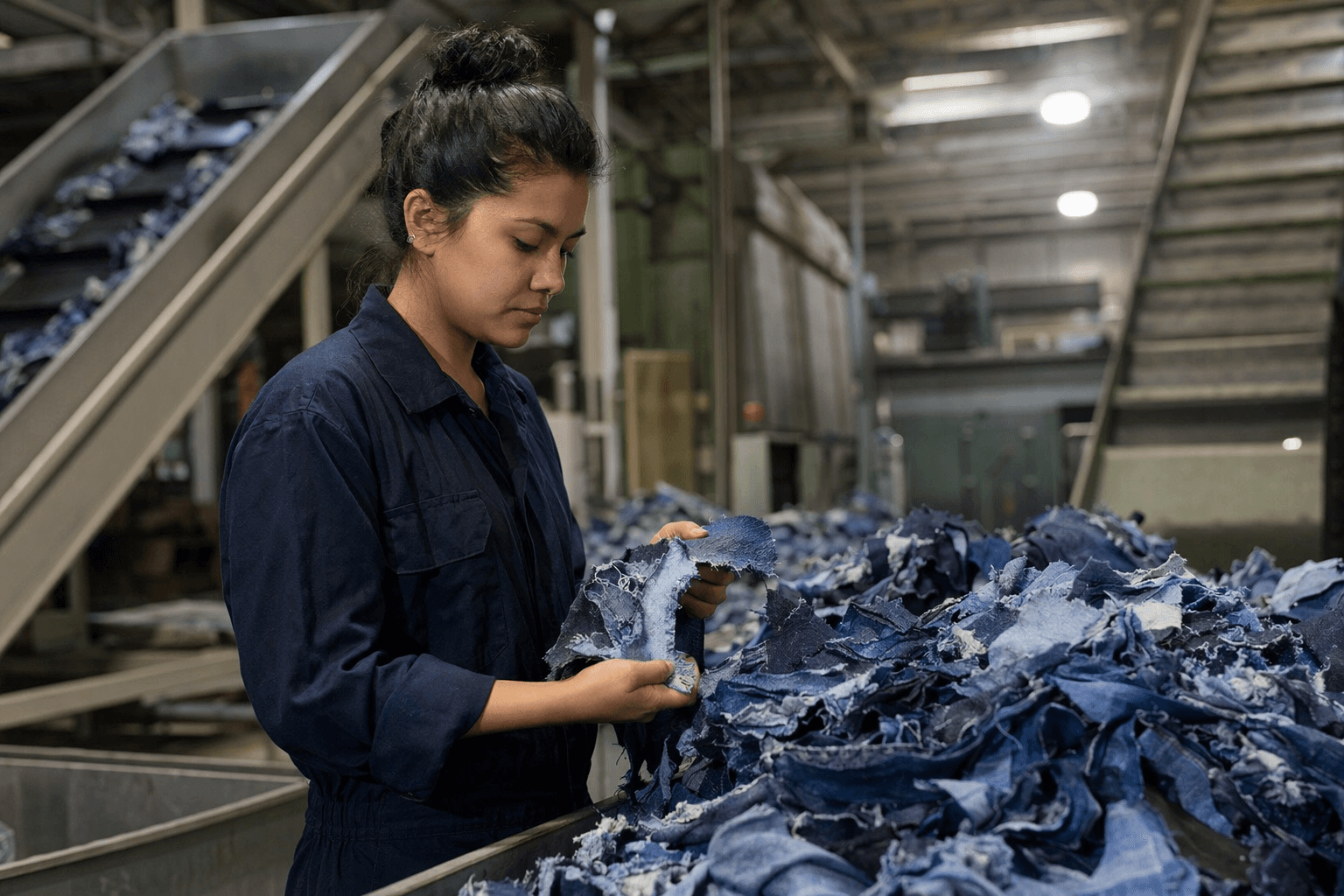
The larger pressure is unmistakable. Denim Deal says more than two million tonnes of denim end up in landfills every year, a blunt reminder that the world’s most worn wardrobe staple still has an ugly afterlife. Recycled cotton is not a cosmetic tweak here; it is the material lever that can keep valuable fiber in circulation and reduce waste when brands are forced to account for provenance, content and disposal at the same time.
World Collective says the broader push is also being shaped by the European Union’s sustainable and circular textiles strategy, which is pushing brands and suppliers toward more traceable, lower-impact sourcing. That is why this expansion matters: if the Denim Deal Collection simply makes a cleaner list of suppliers, it is useful. If it helps buyers source compliant recycled denim at scale, it could become one of the sharper commercial shifts in circular fashion.
This article was produced by Prism’s automated news system from verified source data, official records, and press releases, then run through automated quality and moderation checks before publishing. The system is built and supervised by the people who set the standards it runs under. Read our full AI policy.
Did this article answer your question?


