Bangladesh garment layoffs top 19,000 as factory closures spread
At least 19,188 garment workers lost jobs in six months as 353 factories closed and protests flared after Al-Muslim Group cut 1,868 jobs in Savar.

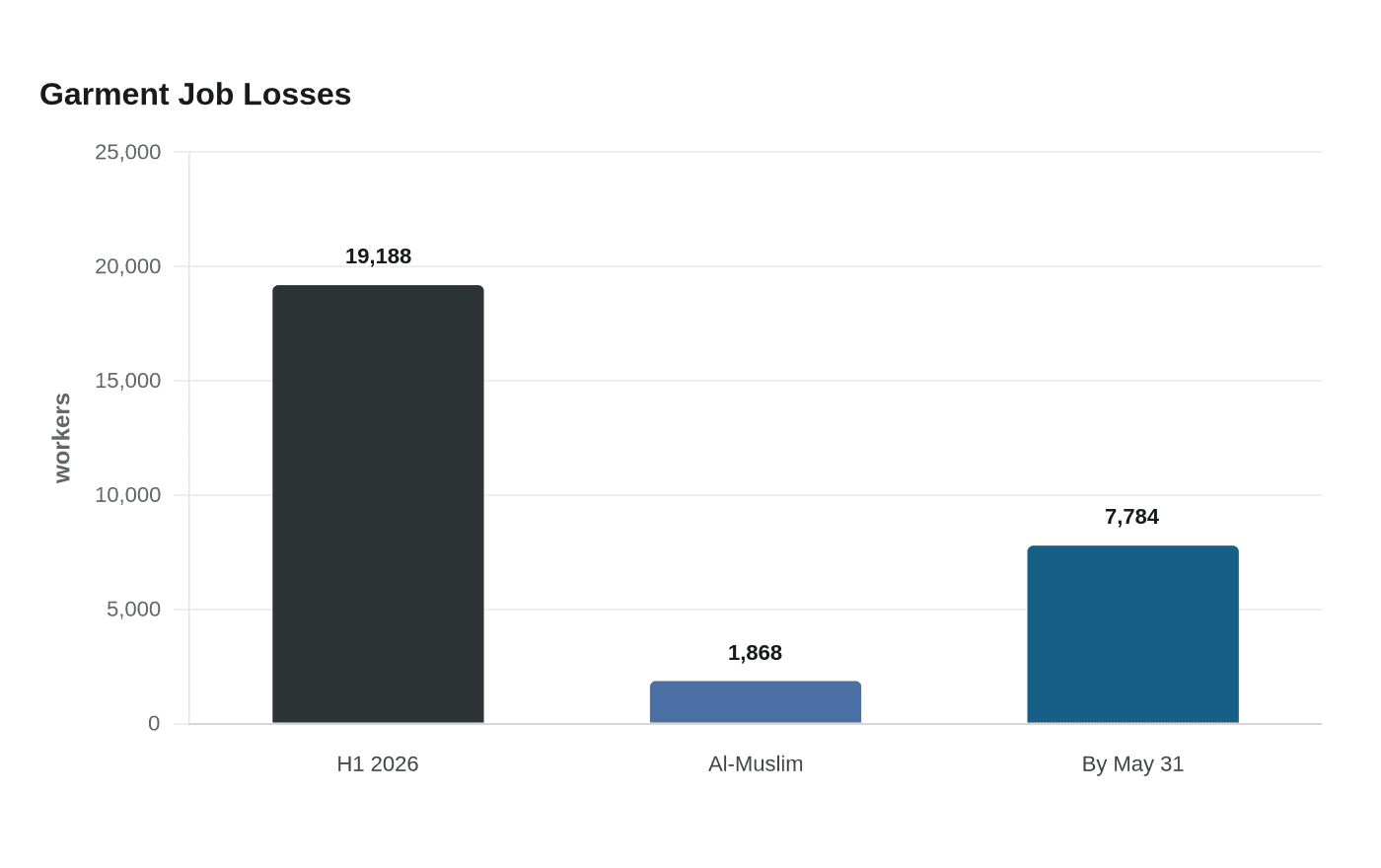
At least 19,188 garment workers in Bangladesh were dismissed or retrenched in the first half of 2026 as factory closures spread across the country’s main sourcing base. Ecotextile-linked figures put the toll even higher in some tallies, at more than 20,000 jobs lost, with 80 BGMEA member factories shedding workers and 27 of those later shutting down.
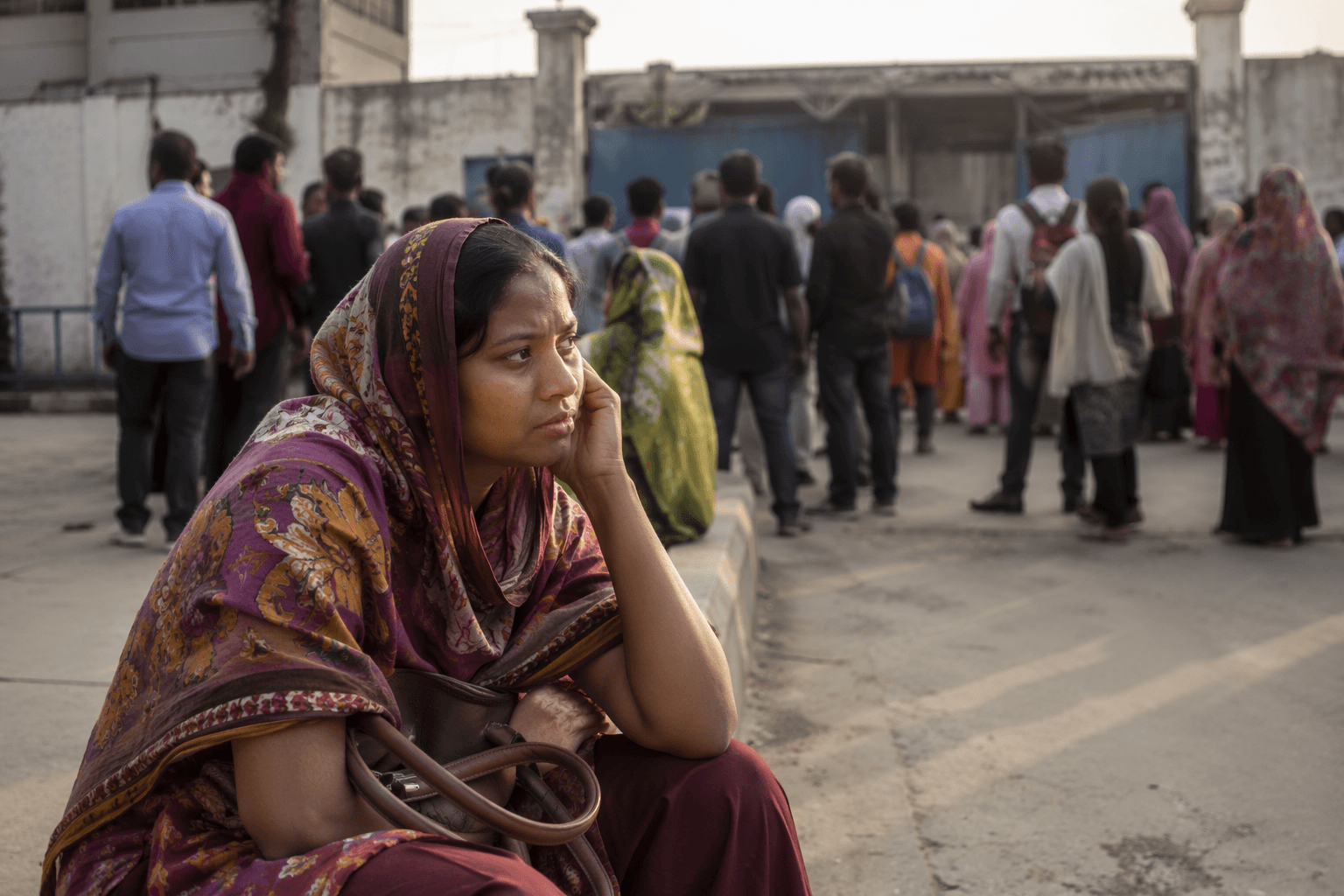
The damage has been visible on the street as well as in the books. On June 6, 2026, Al-Muslim Group laid off 1,868 workers from three ready-made garment factories in Savar, and retrenched workers protested outside the gates and along the Dhaka-Aricha Highway. A separate analysis from the Business and Human Rights Resource Centre counted 7,784 job losses across 79 factories by May 31, a sign of how quickly the cuts were spreading through the sector as global demand weakened and work orders thinned.
Industry bodies have pointed to softer exports, falling production and eroding price competitiveness. The Federation of Bangladesh Chambers of Commerce and Industry has warned that employers are being forced to cut payrolls as margins tighten, a pressure point that sits awkwardly beside the language of responsible sourcing, shorter lead times and lower-impact production that brands continue to demand from their suppliers. When orders become volatile, the factory floor absorbs the shock first.
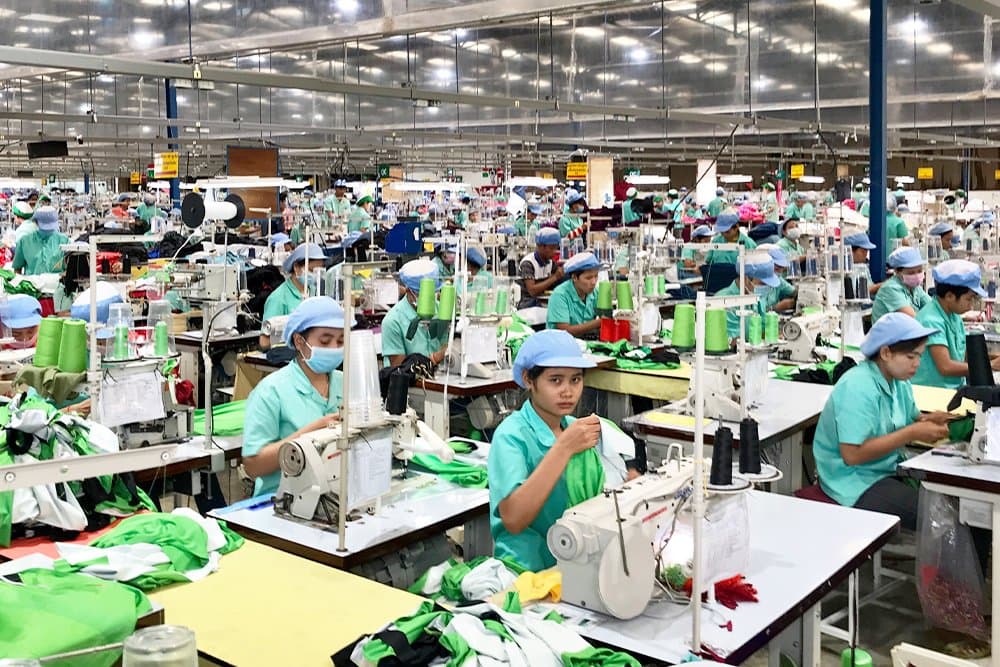
The closures are not isolated. BGMEA-linked reporting shows 353 garment factories closed over the past 14 months in Savar, Gazipur, Chattogram, Narayanganj and Narsingdi, leaving 119,842 workers jobless. Another 2026 analysis said 151 garment and textile factories permanently shut between August 2024 and June 2026. For a sector built on long sewing lines, crowded cutting tables and the constant churn of export deadlines, the collapse in factory numbers is a blunt measure of how fragile the system has become.
Bangladesh’s ready-made garment industry still directly employs about 4.2 million people, around 60 percent of them women, and supports as many as 40 million Bangladeshis indirectly, according to the International Labour Organization. The minimum wage was raised to Tk12,500 in December 2023, but labour advocates say it still trails living costs. With Bangladesh scheduled to graduate from least-developed-country status on November 24, 2026, the sector faces a harsher trading environment just as its workforce is being pared back.
This article was produced by Prism’s automated news system from verified source data, official records, and press releases, then run through automated quality and moderation checks before publishing. The system is built and supervised by the people who set the standards it runs under. Read our full AI policy.
Did this article answer your question?