Germany and Cambodia expand textile recycling and worker empowerment project
Germany and Cambodia sealed a second-phase textile project in Phnom Penh, pairing waste recycling, policy reform and union training to help suppliers meet buyer rules.
Cambodia and Germany launched FABRIC Cambodia II at the Ministry of Labour and Vocational Training in Phnom Penh on July 6, putting textile waste recycling, circular-economy models and worker protection at the center of a bilateral push that now has to prove itself on factory floors, not just in policy papers. The second phase is being implemented by Deutsche Gesellschaft für Internationale Zusammenarbeit, commissioned by Germany’s BMZ, and runs through October 2027.
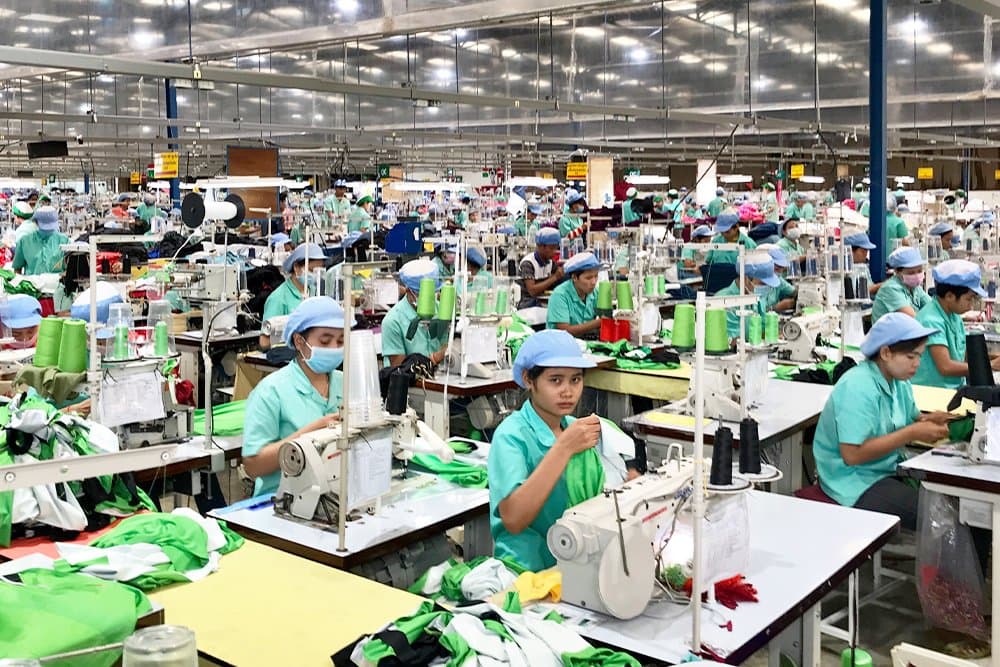
The project is built around the realities of Cambodia’s garment economy, where Better Work Cambodia said the garment, footwear and travel goods sector included 1,810 firms and more than 1.11 million workers in 2025, with about 75 percent of them women. That sector generated 51.8 percent of Cambodia’s total exports last year, which makes every compliance upgrade commercially significant, not decorative.
FABRIC Cambodia II is aimed at the practical pressure points buyers now use to judge suppliers: recycling systems, regulatory reform, gender equality and union capacity-building on human-rights due diligence. The European Commission’s project description says the goal is to better position Cambodia’s garment industry to meet international environmental and social sustainability requirements, with measures that include recycling and circular economy work, advice to policymakers, promotion of women’s participation and training for unions. For export manufacturers, that mix matters because circularity rules increasingly reach beyond waste handling and into labor governance, traceability and factory management.
The new phase also extends work that Germany has funded in Cambodia’s textile sector for more than a decade. GIZ says it has been active there since 2014, and earlier material described an industry that generated almost 70 percent of Cambodia’s export earnings and employed about 800,000 textile and garment workers, roughly 80 percent of them women, while facing low wages, weak industrial relations and poor occupational safety. Those are not soft issues. They determine whether a supplier can keep its audit score up and its orders on the table.
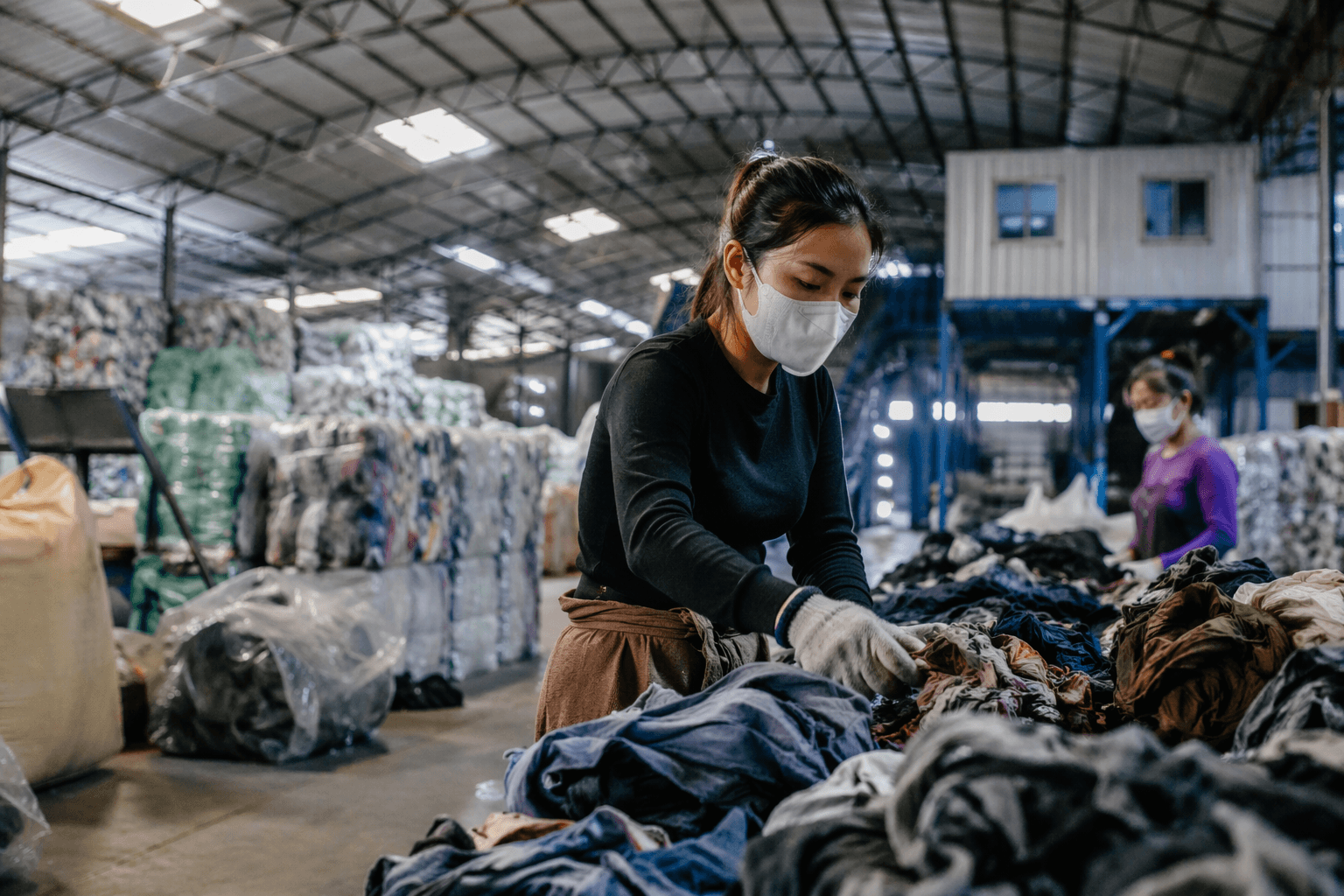
The circularity piece has been building for years. In Phnom Penh in 2023, more than 100 experts and stakeholders estimated that Cambodia’s textile, garment and footwear industry produces about 140,000 tonnes of textile waste each year and helped launch work on a Circular Fashion Partnership Cambodia to sort and recycle post-industrial waste instead of sending it to landfill or incineration. At the Cambodia Textile Summit 2026, more than 200 stakeholders, from brands and unions to manufacturers and development partners, gathered around the same problem, with GIZ highlighting a Circular Fashion Partnership Cambodia that links factories and recyclers. That is the template worth watching: not a slogan about sustainability, but the machinery that lets factories handle waste, tighten labor standards and stay viable in a market that is making both non-negotiable.
This article was produced by Prism’s automated news system from verified source data, official records, and press releases, then run through automated quality and moderation checks before publishing. The system is built and supervised by the people who set the standards it runs under. Read our full AI policy.
Did this article answer your question?