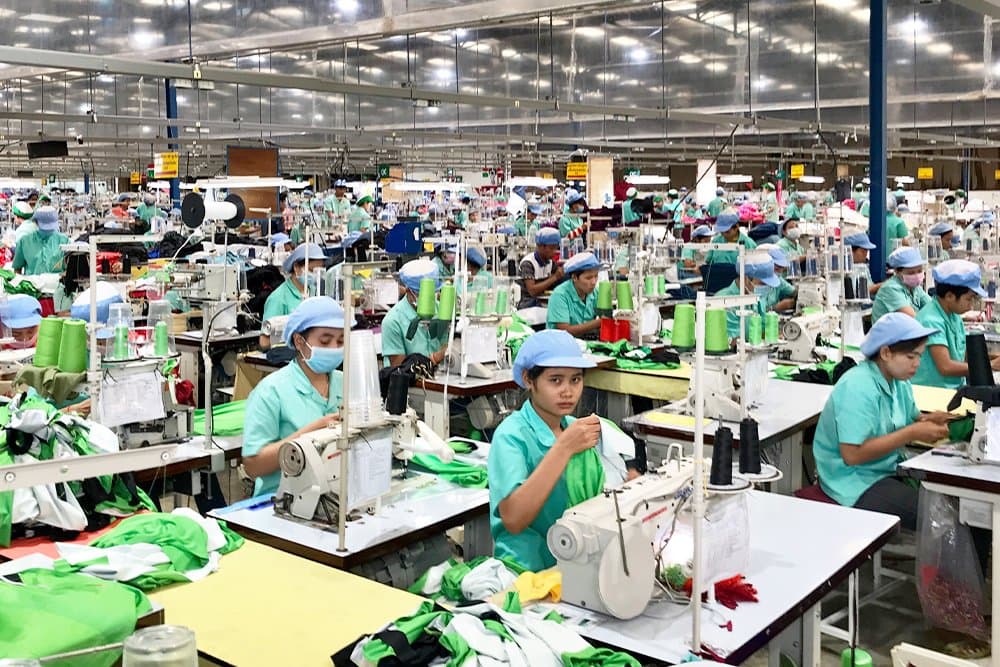
EU issues forced-labour guidelines, raising traceability stakes for fashion
Brussels has turned traceability into a market-access test. Fashion brands now have to prove cotton, yarn and sewing chains are free of forced labour before 2027.
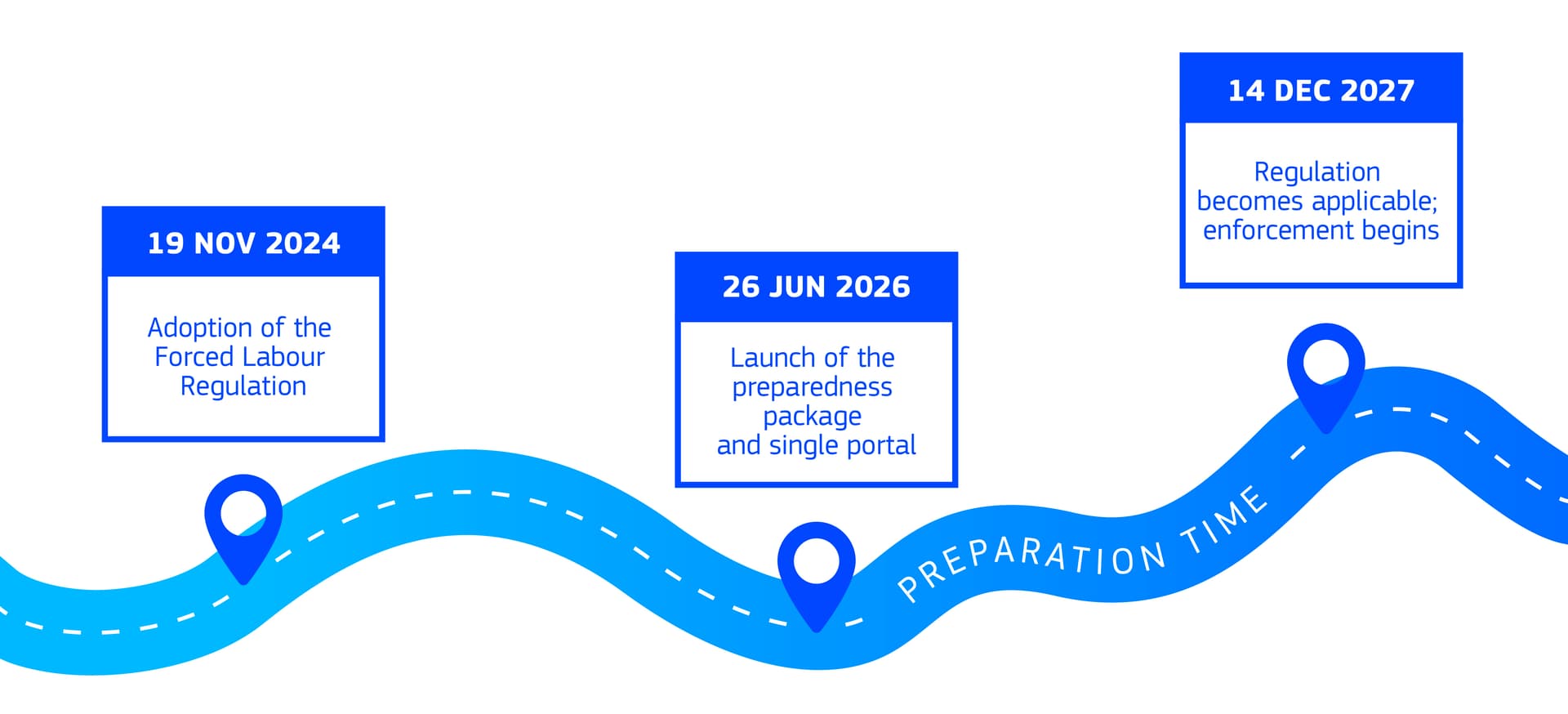
The European Commission published guidelines on 26 June 2026 to help companies prepare for the forced-labour ban that will bar products made wholly or partly with forced labour from the EU market. For fashion importers, supply-chain visibility is now a condition for keeping products in circulation.
The guidance, issued as Commission Notice C(2026) 4386 final, is addressed to competent authorities, customs authorities, economic operators, consumer associations, civil society organisations, trade unions and other stakeholders. The package is meant to make the law predictable and smooth to implement while keeping the burden on companies and administrations as low as possible. It has also opened a Forced Labour Single Portal, where the first tools are now available, and created a Single Information Submission Point for reports on products or companies that may be linked to forced labour.
The underlying rule, Regulation (EU) 2024/3015, was adopted on 27 November 2024, published in the Official Journal on 12 December 2024, entered into force on 13 December 2024 and will apply from 14 December 2027. It prohibits products made with forced labour from being placed on, made available on, or exported from the EU market, and it applies to all products regardless of origin and to all sectors and operators. There are no new audit or reporting obligations, but the responsibility to keep products free of forced labour sits with companies.
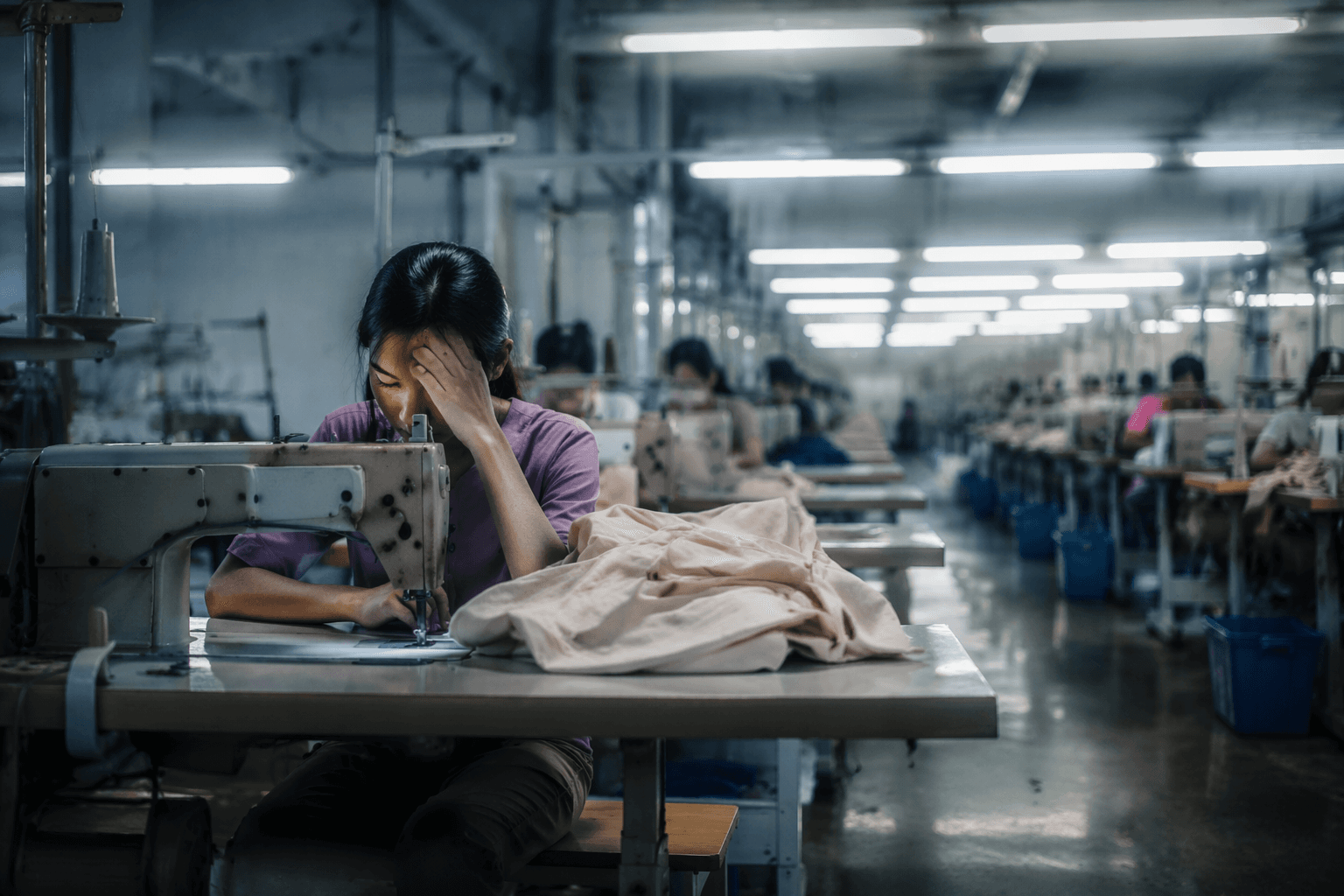
The guidance covers investigations, due diligence, stakeholder engagement, remediation and the submission of information about possible violations. Cotton can be spun in one country, dyed in another, cut in a third and finished by subcontractors that never appear in the front-line purchase order. Incomplete factory lists, missing subcontractor records, vague raw-material sourcing and remediation plans that stop at a supplier code of conduct are the weakest files.
Forced labour affects 27.6 million people worldwide, according to the International Labour Organization, and its 2022 global estimates with Walk Free and the International Organization for Migration put modern slavery at 50 million people in 2021, including 28 million in forced labour. The Commission first proposed the regulation on 14 September 2022, the Council adopted its position on 26 January 2024 and the Council and Parliament reached a provisional agreement on 5 March 2024.
This article was produced by Prism’s automated news system from verified source data, official records, and press releases, then run through automated quality and moderation checks before publishing. The system is built and supervised by the people who set the standards it runs under. Read our full AI policy.
Did this article answer your question?