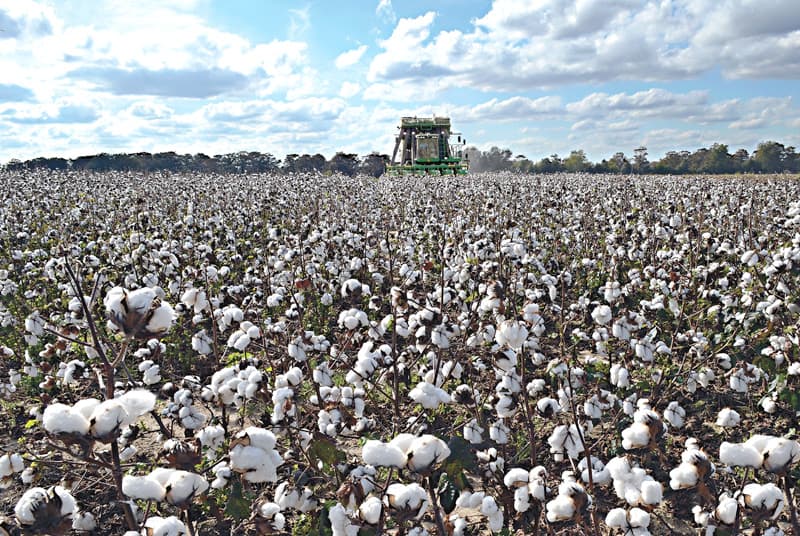
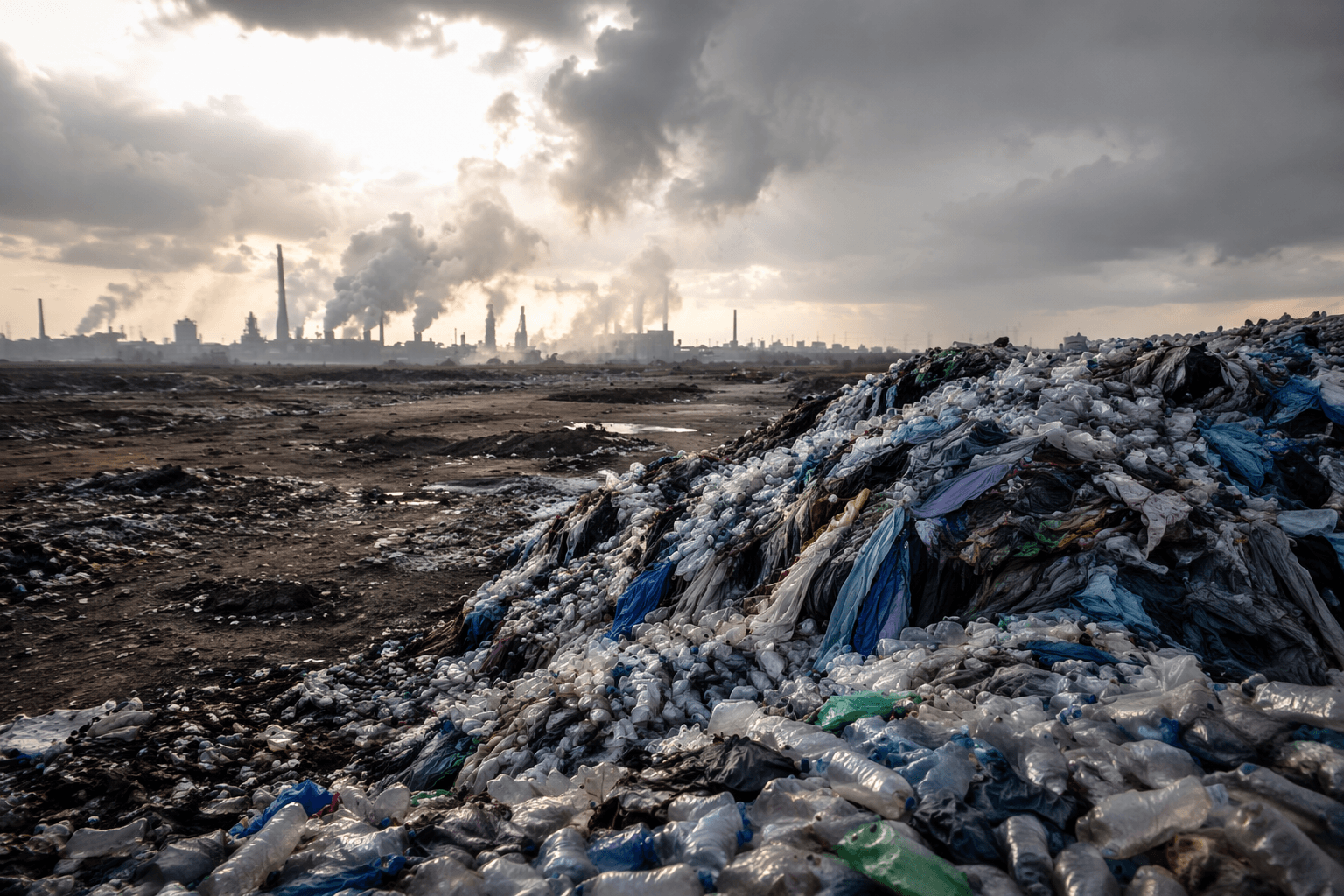
Bestseller Pledges $3 Million for South Africa Grassland Regeneration
Bestseller put $3 million into Eastern Cape grasslands, turning a sustainability pledge into a supply-chain play for wool, leather and cashmere.
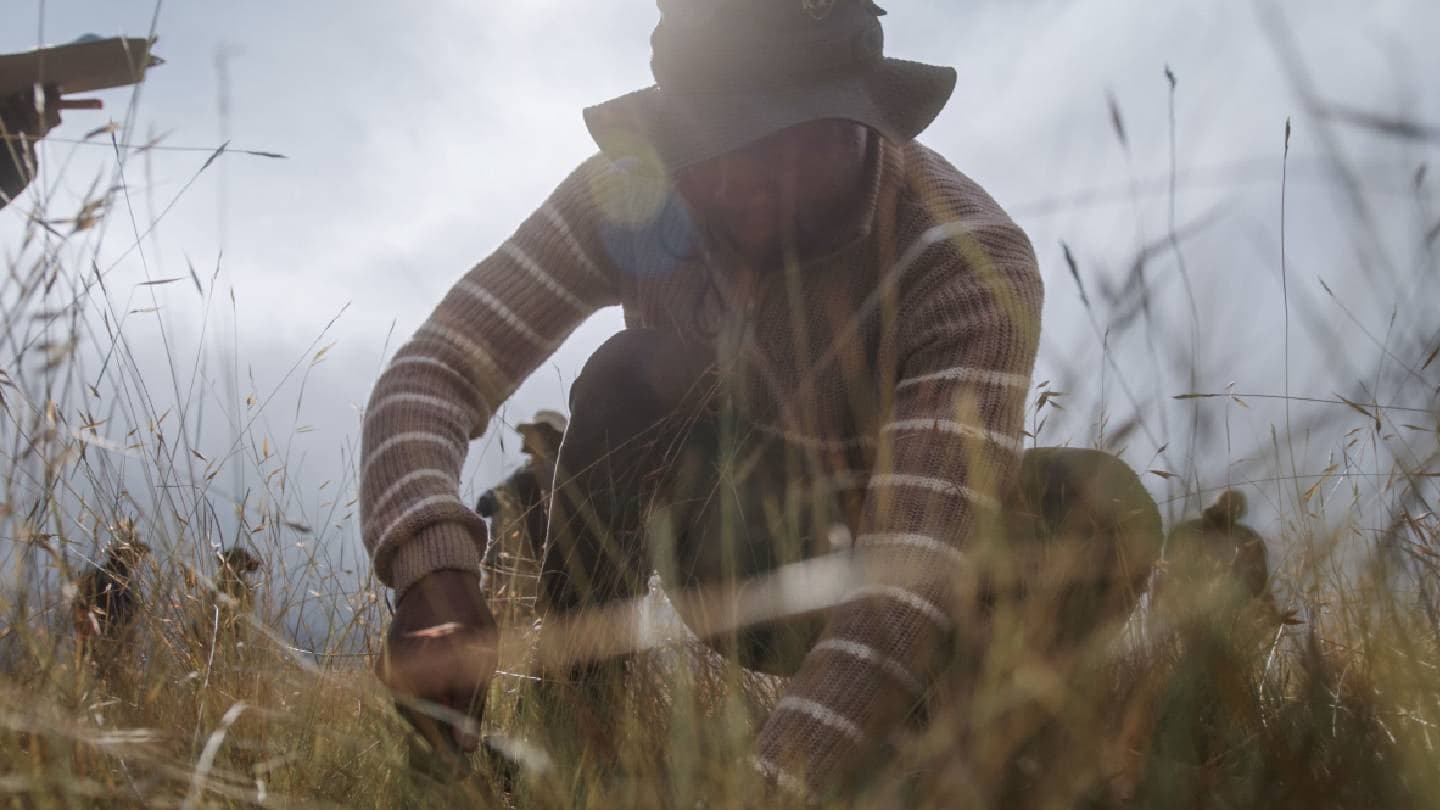
Bestseller’s $3 million bet on South Africa is not charity dressed up as strategy. It is a direct wager that the health of Eastern Cape grasslands, where fashion’s raw materials are raised and grazed, will matter as much to future supply as the next seasonal buy.
The money goes to the Regenerative Fund for Nature, backing an ongoing project in the Eastern Cape focused on grassland restoration, animal welfare and soil resilience against erosion and climate change. That matters because this is not some abstract carbon-offset tale. It is happening in a sourcing-relevant landscape where communal farmers are already working with Conservation South Africa, Conservation International and the fund to keep land productive under pressure from overgrazing, drought and climate swings.
The mechanics are the interesting part. Conservation agreements in the Eastern Cape have encouraged seasonal rotational rest of grazing areas, a simple but brutal reality check for fashion: if land is stripped too hard, the fiber story collapses with it. The province’s rangelands are also described by conservation groups as a biodiversity hotspot and a strategic water source area, which means the same ground that feeds livestock also helps hold an ecosystem together. That is the kind of double-duty landscape fashion has spent years ignoring while talking about “responsible sourcing.”
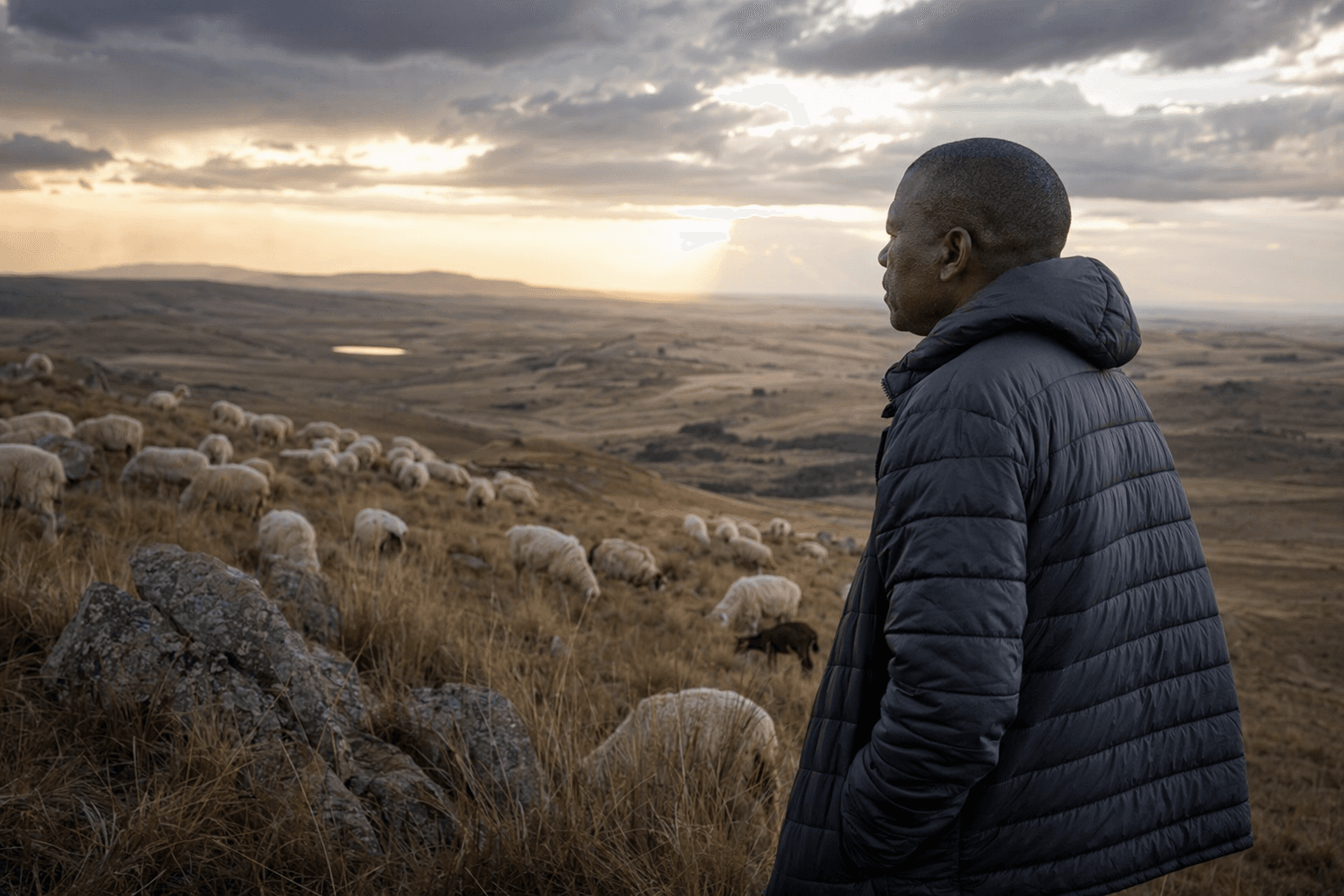
Bestseller folded the commitment into its broader Fashion FWD sustainability strategy and framed regenerative agriculture as a way to secure long-term raw material availability for the textile sector. That is the real tell. When a brand starts funding land health because it sees soil as supply security, the conversation shifts from philanthropy to operating model. The Regenerative Fund for Nature was launched by Conservation International and Kering in 2021, with Inditex joining in 2023, and by the end of 2024 it had 13 projects across eight countries, covering 1.1 million hectares and reaching 105,000 people, already past its original 1 million-hectare goal.
For the industry, the Eastern Cape project is a useful test case. Conservation International says the work there has delivered measurable benefits over the past five years, and Bestseller’s support is meant to widen that impact across the region. The fund is built to support the supply chains that actually keep fashion running, including wool, cotton, leather and cashmere, while also improving local economic opportunities and animal welfare. If that sounds like a softer version of industrial planning, it is because it is. Fashion is finally financing the landscapes that make its materials possible, and the brands that get this first will be the ones with the most resilient fibers when the weather stops cooperating.
This article was produced by Prism’s automated news system from verified source data, official records, and press releases, then run through automated quality and moderation checks before publishing. The system is built and supervised by the people who set the standards it runs under. Read our full AI policy.
Know something we missed? Have a correction or additional information?
Submit a Tip