Vivobarefoot debuts scan-to-print shoes, doubles down on repair and circularity
Vivobarefoot paired an in-store scan-to-print shoe with a repair push, betting that made-to-order production and refurbishment can cut waste.
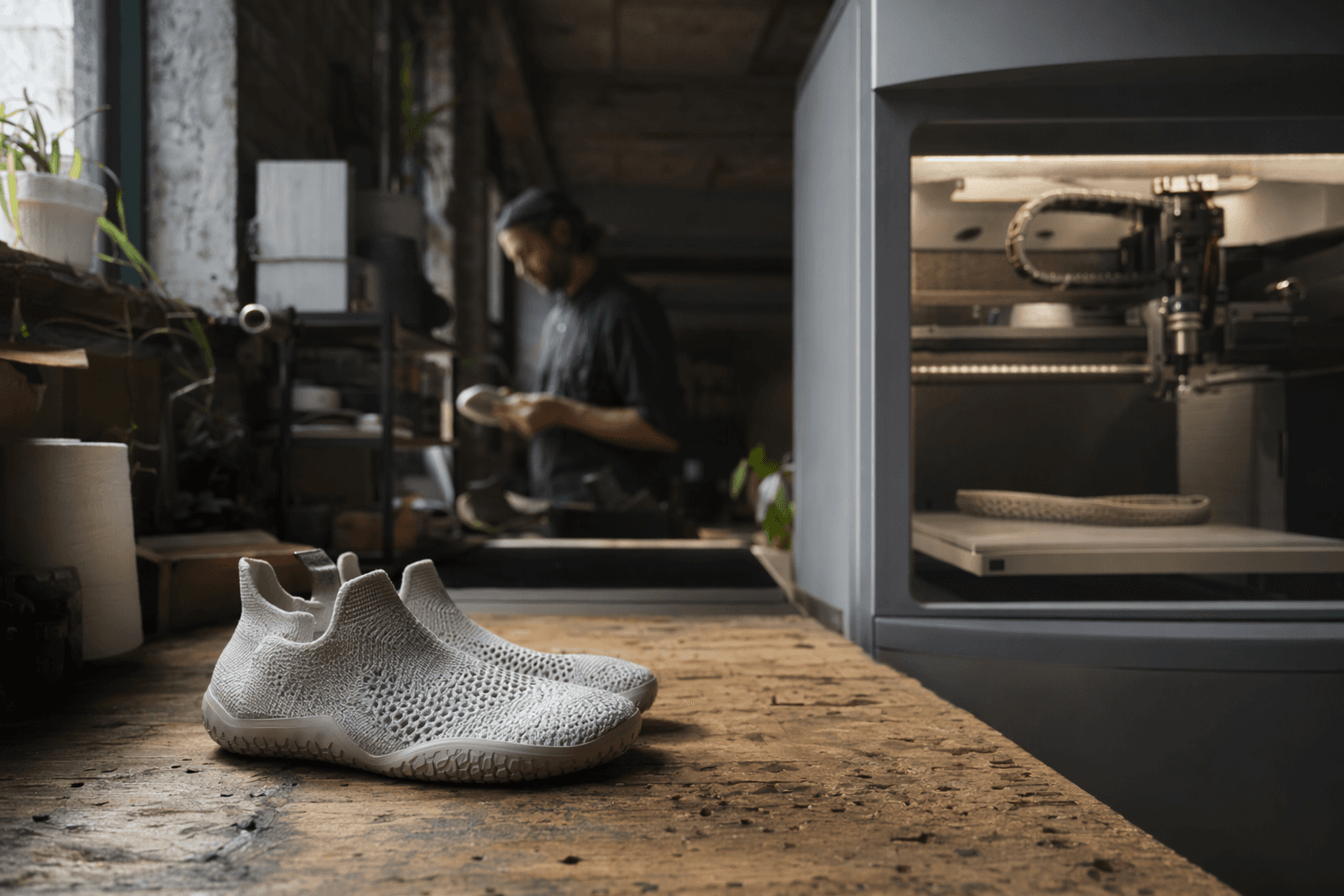
Vivobarefoot is trying to solve footwear’s dirty secret at both ends of the product life cycle: make fewer shoes that fit better, then keep them out of landfill longer. The brand’s VivoBiome platform now sits at the center of that strategy, linking mobile foot scanning, computational fit-and-design software, 3D printing and robotics to a system Vivobarefoot says is built on four principles: made-to-order, made-to-measure, made locally and made-to-be-remade.
The headline product in that system is Tabi Gen 02, launched through VivoBiome as an in-store scan-to-print shoe in partnership with Carbon, the advanced digital manufacturing specialist. The appeal is obvious. Instead of forcing feet into standardized sizes and hoping the fit holds, Vivobarefoot is betting on on-demand, personalized production that can reduce waste before a pair ever leaves the machine. That is a sharper sustainability play than swapping one recycled material for another, because it goes after overproduction itself, the quiet excess that still clogs warehouses and markdown racks across fashion.
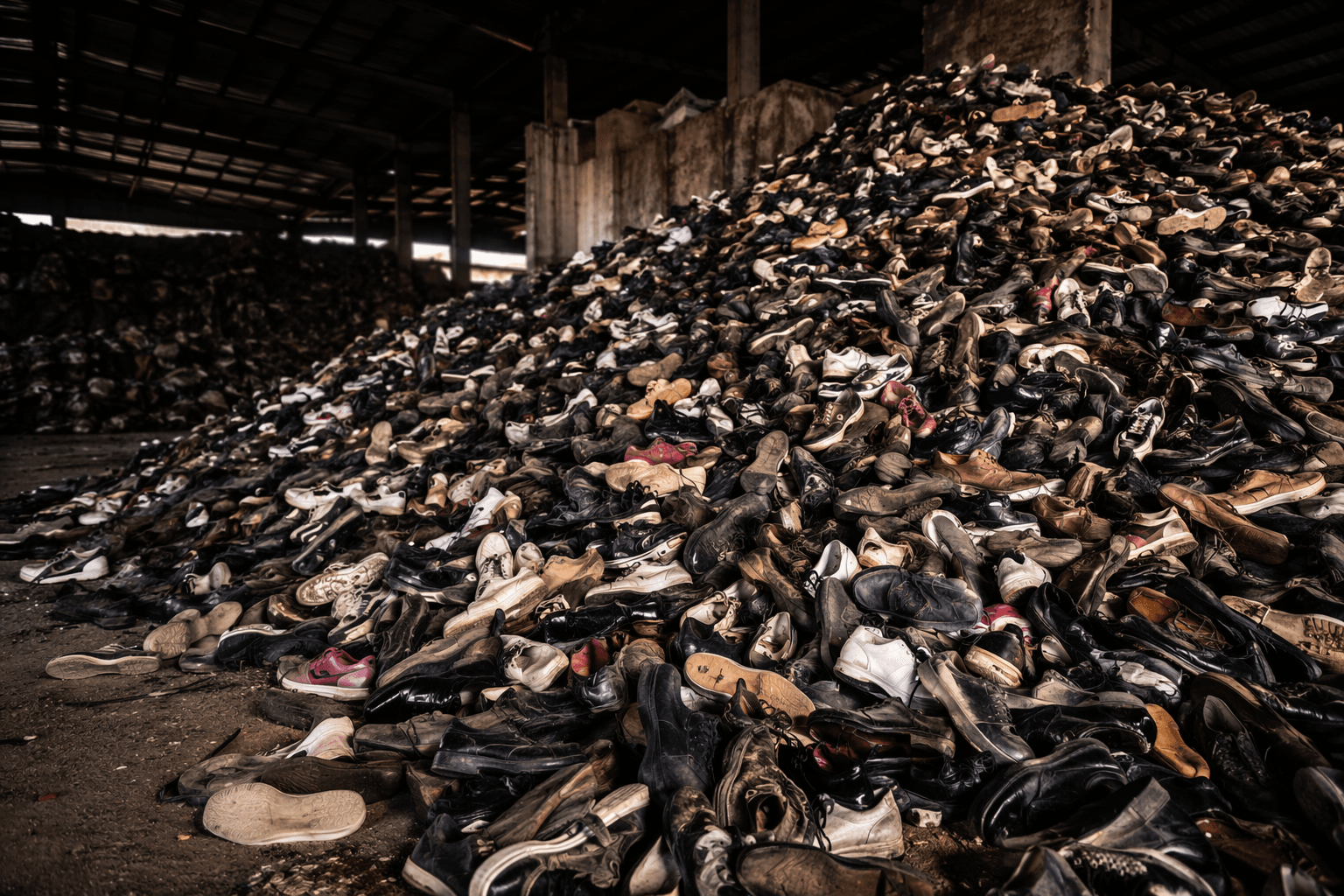
The scale of the problem gives the move urgency. Asher Clark, Vivobarefoot’s co-founder, has argued that the footwear industry feeds a massive landfill burden, with around 19 billion pairs ending up there annually. Against that backdrop, scan-to-print is not just a technical flourish. It is an attempt to redraw the economics of shoe making, one where fit data, local production and lower inventory risk matter as much as aesthetics.

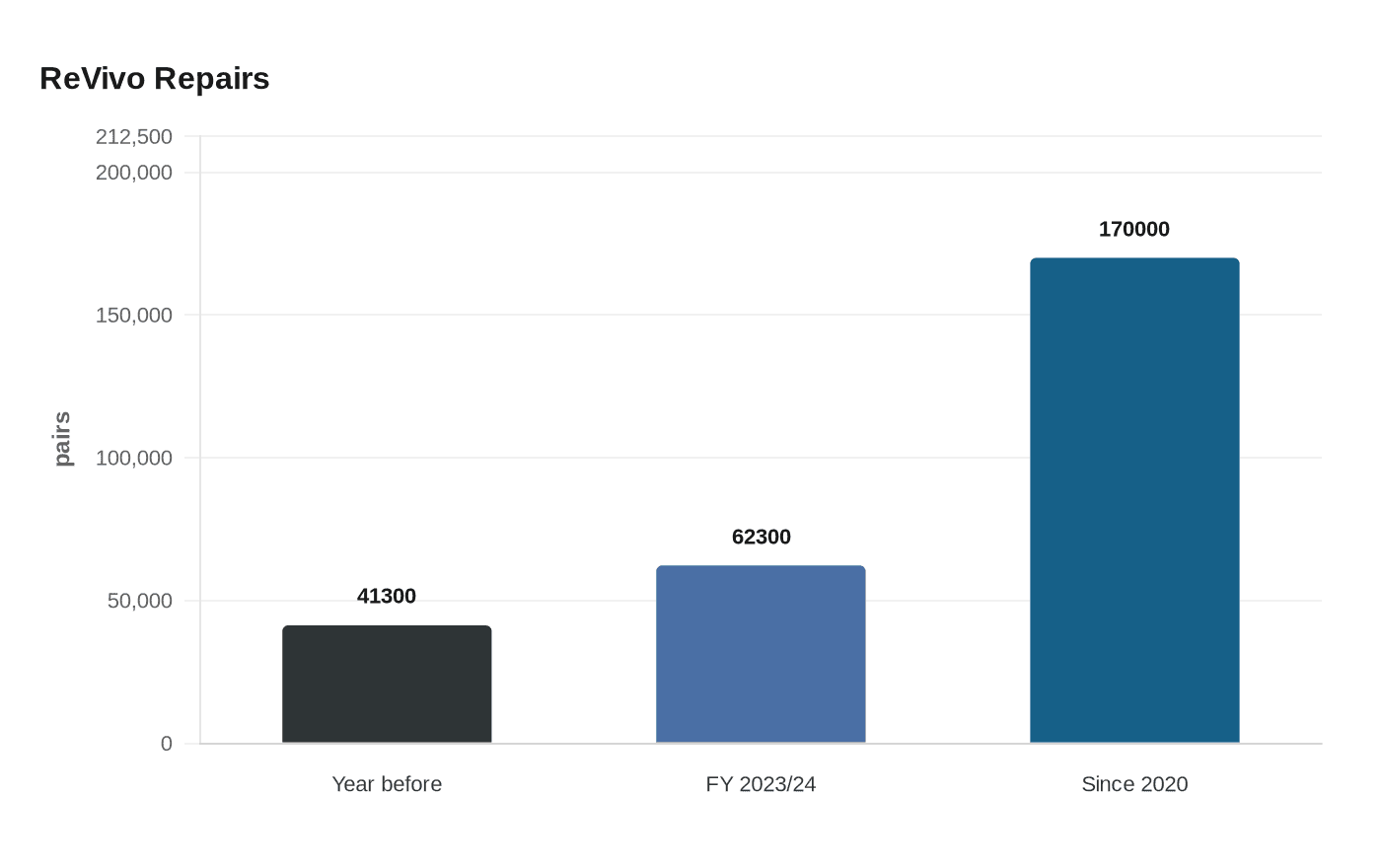
Vivobarefoot is also leaning hard into the unglamorous but essential side of circularity: repair. Its ReVivo platform, which covers repair, recycle and resale, has refurbished more than 170,000 pairs of shoes since 2020. The company said it renewed a record 62,300 pairs in financial year 2023/2024, up from 41,300 the year before, and reported a 20% year-on-year increase in UK customers sending shoes in for repair. In the U.S., the service runs with NuShoe, and current repairable styles include Tracker, Magna FG, Gobi, Ra, Scott and Geo Chelsea.
That repair business matters because it turns circularity from branding into behavior. Jamie Whitehouse of The Boot Repair Company has said Vivobarefoot is showing that footwear repair can be profitable and can strengthen brand image, a useful reminder that sustainability only lasts if it works commercially. Vivobarefoot has gone further by launching a take-back initiative that accepts sneakers from any brand for recycling. Together, the scan-to-print system, ReVivo repairs and take-back scheme form a rare circular loop in footwear, one that could reduce overproduction and extend use, if customers, logistics and scale all hold up.
This article was produced by Prism’s automated news system from verified source data, official records, and press releases, then run through automated quality and moderation checks before publishing. The system is built and supervised by the people who set the standards it runs under. Read our full AI policy.
Know something we missed? Have a correction or additional information?
Submit a Tip