Tydra Labs raises CA$1.2 million to turn waste into biomaterials
Vancouver’s Tydra Labs just raised CA$1.2 million to turn shell and fungal waste into chitin, and fashion may meet it first as coatings, not yarn.
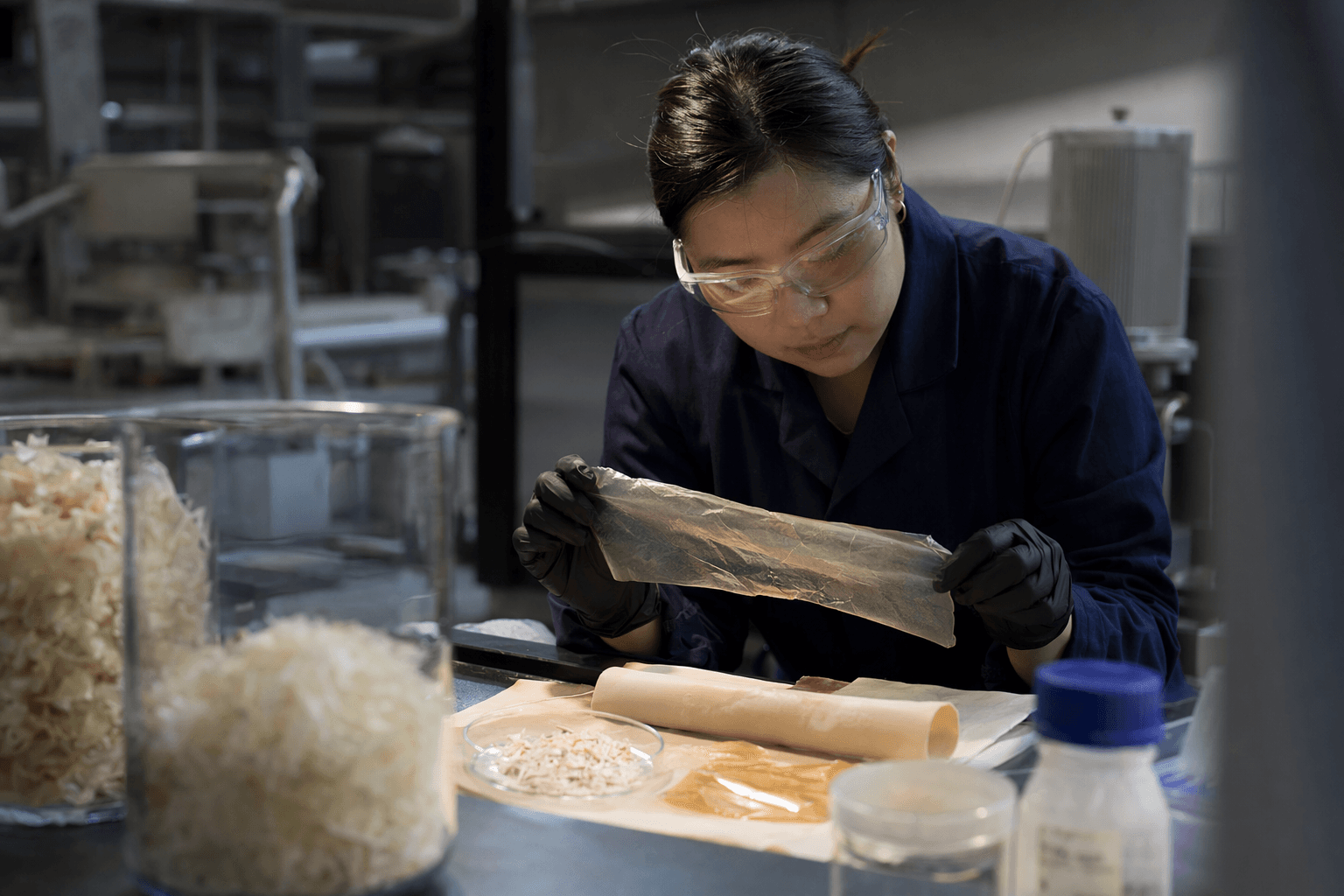
CA$1.2 million is not runway money. It is build-money, the kind that buys time to turn a clever materials pitch into something that can actually move through a factory. Vancouver-based Tydra Biomaterial Labs just closed that pre-seed round, led by Spring Impact Capital, to scale a feedstock-flexible process that converts crustacean shell waste and fungal waste into ultra-pure chitin and advanced biomaterials.
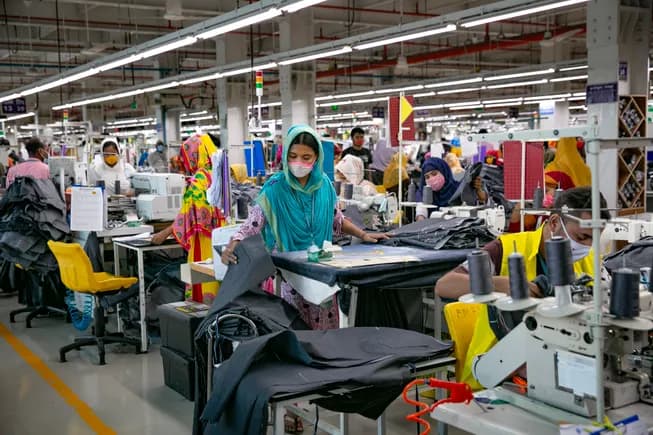
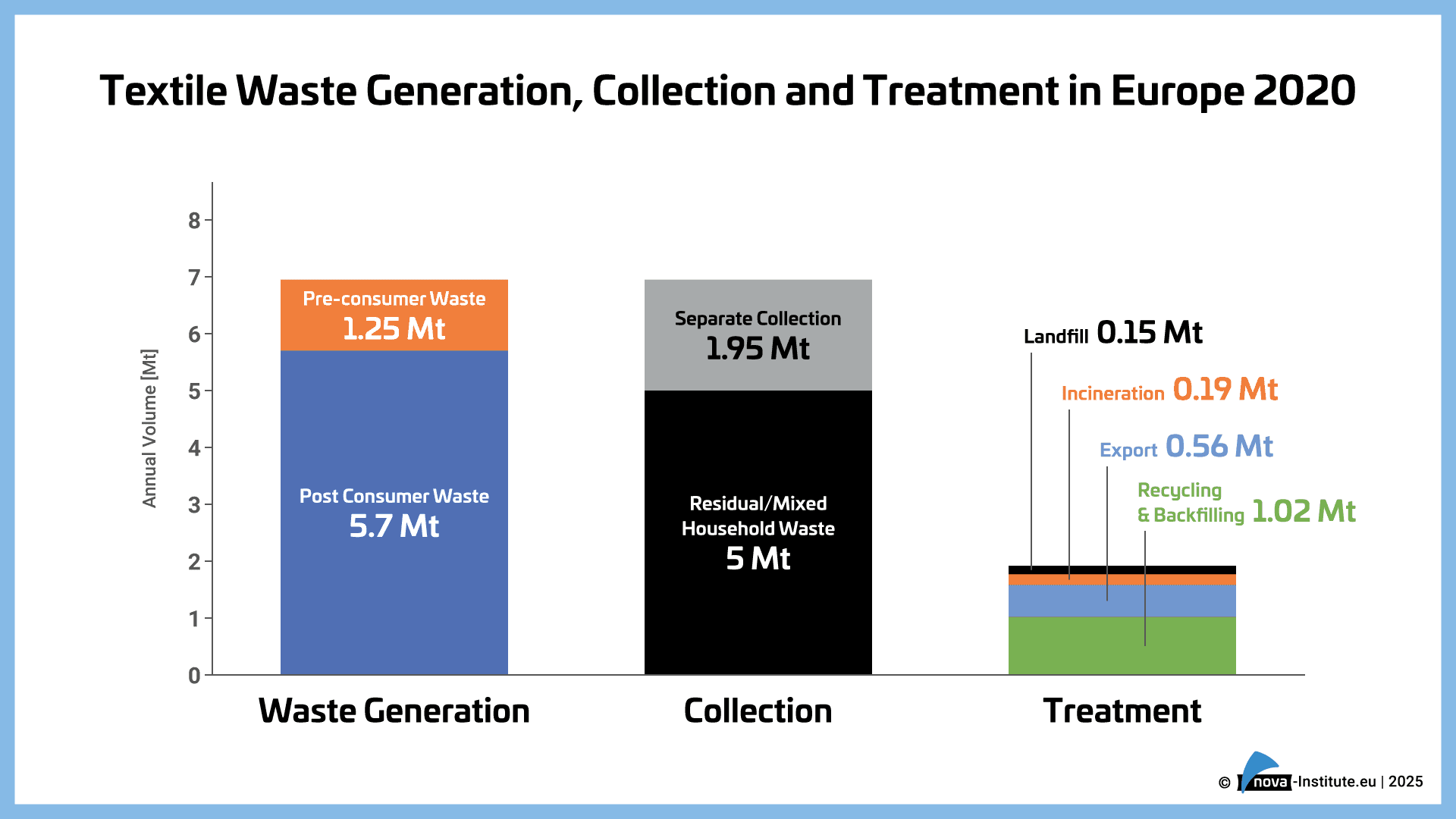
That matters because the fashion system is still stuck in a brutal equation: the global textile industry is only 0.3% circular, and the finishes that give clothes their performance are still overwhelmingly petrochemical. Tydra is aiming straight at that weakness. Its seawater-based bioprocess is pitched as a way to replace plastics, PFAS, and petrochemicals across packaging, textiles, self-care, and agriculture, which is a broad promise, but the fashion lane is easy to see first. Chitin-based materials make the most sense in coatings, barrier layers, and functional finishes, where Tydra says the material can create a stronger, more waterproof surface.
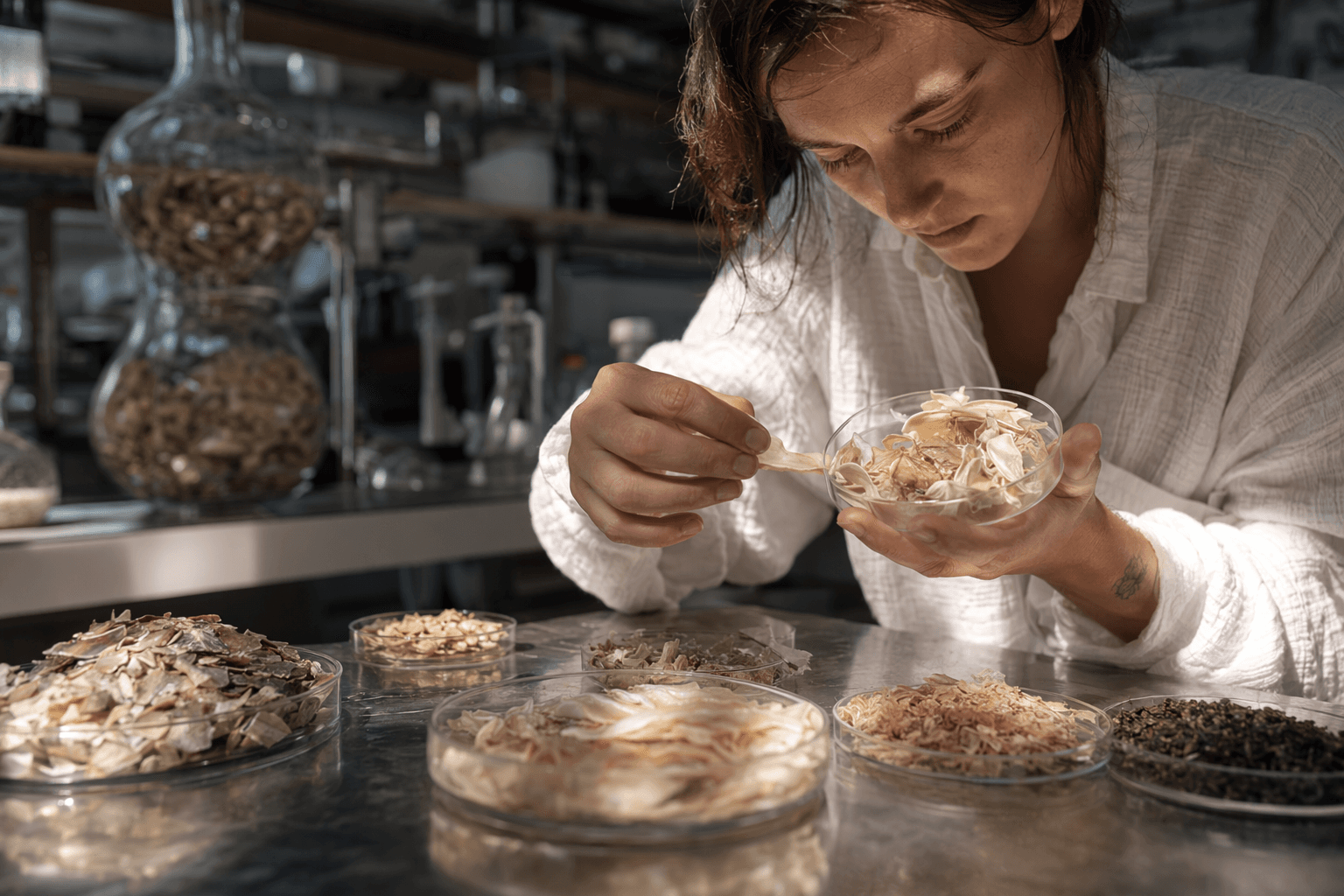
The startup’s story is rooted in the University of British Columbia ecosystem, not a slick brand lab fantasy. Athanasios Kritharis is co-founder and CEO/CTO, Jaiya Varshney is co-founder, and UBC professor Vikram Yadav is listed with the venture through UBC HATCH Venture Builder. Varshney has already been put in front of investors on the public stage, including at Innovation UBC’s Investor Showcase at UBC Robson Square on April 14, after UBC highlighted her as a co-founder reimagining everyday materials through chitin. Tydra also picked up the $100,000 Women in Tech Investment Prize at Startupfest 2025, a useful signal that the company is not just sitting in a lab with a nice thesis.
The market context is why this is getting attention beyond the sustainability crowd. Tydra is targeting a $20 billion global chitin market, and the opportunity is obvious if the company can make the material work at volume. The hard part is next: proving that a seawater-based process can handle inconsistent waste streams, deliver industrial purity, and do it at a cost brands will accept. That is the leap from promising biomaterial to actual sourcing alternative, and that is where the real fashion story starts.
This article was produced by Prism’s automated news system from verified source data, official records, and press releases, then run through automated quality and moderation checks before publishing. The system is built and supervised by the people who set the standards it runs under. Read our full AI policy.
Did this article answer your question?