bluesign pushes safer solvent alternatives across fashion supply chains
bluesign's solvent phaseout is a warning shot for brands still blind to coatings, laminations, and finishes. The real test is auditing supplier chemistry before safer swaps are forced.
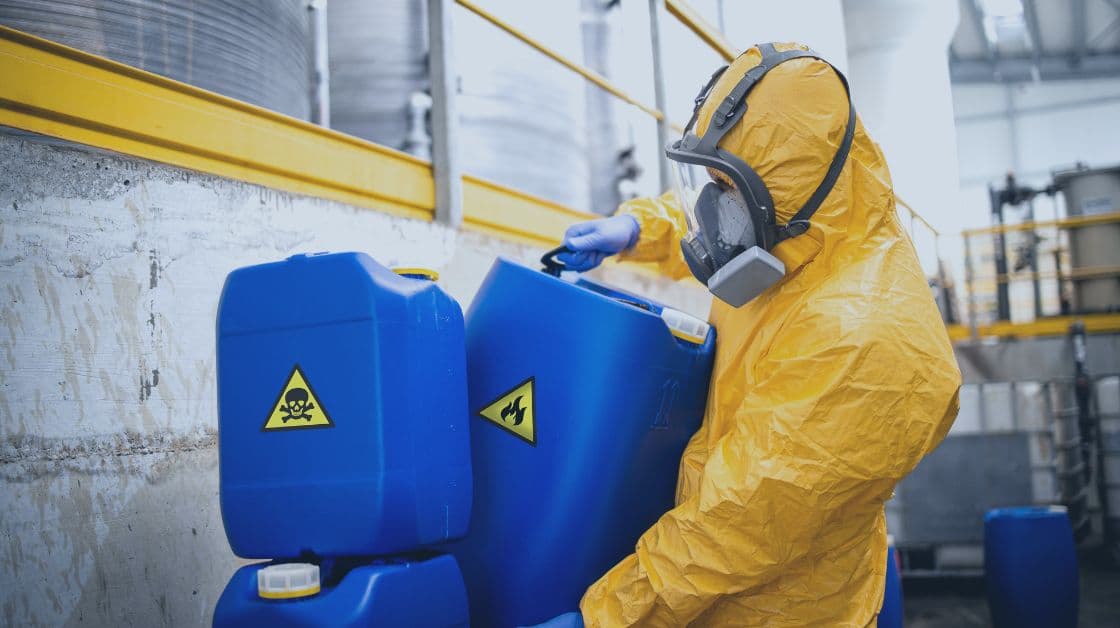
Solvents like DMF and toluene can sit inside a glossy coating, a bonded seam, or the crisp finish on a sneaker upper, doing work shoppers never see.
bluesign’s CMR solvent phaseout targets substances classified as carcinogenic, mutagenic, or toxic for reproduction, the kind of chemistry that can sit inside coatings, laminations, finishing, footwear assembly, and accessory manufacturing long after the marketing copy has moved on.
Why solvents are the hidden risk
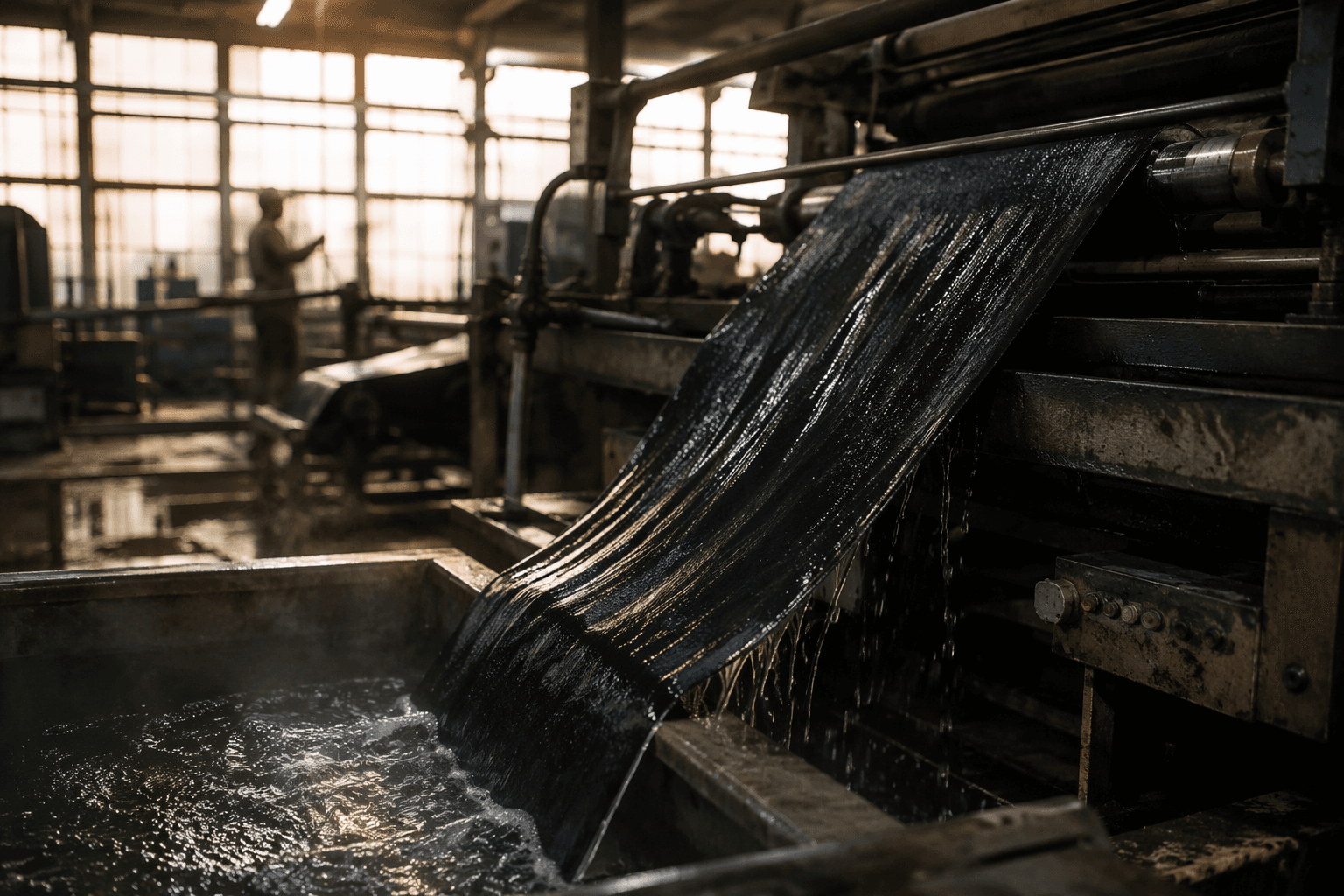
Solvents rarely show up on a hangtag, but they shape how a product looks, feels, and holds together. In athleisure trims, handbags, footwear uppers, outerwear lamination, and printed graphics, solvent-based systems can affect adhesion, cure time, hand feel, and durability, which is exactly why they survive in supply chains even when they carry a poor health profile.
CDC and NIOSH treat organic solvents as a serious occupational concern because they can be carcinogens, reproductive hazards, and neurotoxins. In fashion, the risk is not abstract: a PubMed Central study on footwear craftsmen found that toluene exposures over threshold limits could cause respiratory complaints, and a 2023 paper on shoe manufacturing workers examined health risks tied to adhesives based on organic solvents.
What bluesign is trying to remove
bluesign’s phaseout program names the solvents most brands would rather not trace through their bills of materials. DMF and toluene sit squarely in that category, and both have been used for years in textile-adjacent processes where the chemistry is hidden inside the process, not the product label.
bluesign frames the answer as “non-regrettable substitution,” meaning the replacement should not create a fresh hazard somewhere else. Water-based processes are presented as a viable route in many applications.
Not every category tolerates the same chemistry. A solvent that works in a rigid accessory coating may behave differently in a soft-touch lamination or a printed graphic, and substitution decisions can ripple into performance, cost, and yield. Brands that treat the change as a procurement footnote usually pay for it later in failed adhesion tests, slower production, or a finish that simply does not look right.
How bluesign turns chemistry into rules
Founded in 2000 and based in St. Gallen, Switzerland, bluesign has built its system around chemical assessment and threshold controls rather than vague promises. Its July 2025 System Black Limits version 7.0 includes threshold categories for aldehydes, alkylphenolethoxylates, amines, arylamines, chlorinated benzenes and toluenes, chlorinated phenols, dioxins and furans, flame retardants, and halogenated biphenyls and terphenyls.
The CMR solvent discussion sits inside that broader system. bluesign also maintains a Restricted Substances List and a System Substances List as formal reference documents, which gives brands a concrete way to check whether a chemistry choice belongs in production at all, rather than waiting for a complaint, a buyer audit, or a regulatory catch-up.
The company’s 2021 revision of its chemical substances lists took effect on July 1, 2021 and incorporated new scientific knowledge, new legal classifications, and new consumer safety limits. A few months later, in September 2021, bluesign introduced its management and phase-out concept for critical CMR solvents as part of its commitment to reducing impact on people and planet, improving occupational health and safety, and providing the highest level of consumer safety.
Where the supplier-management lesson gets real
The weak points usually sit several layers away from the brand: in the coating room, the lamination step, the adhesive recipe, or the finishing process where chemical disclosure is often thinner than the styling deck.
Procurement and compliance teams should be asking for more than a yes-or-no declaration. They need to know where solvent-based chemistry still appears, which tier owns it, and whether the substitute has been validated for performance as well as hazard profile. A cleaner solvent list is only useful if the product still meets abrasion, bond strength, wash, and wear requirements.
- Coatings and laminations, especially on outerwear and synthetic leather
- Footwear assembly steps that rely on adhesives or bonding agents
- Accessory production, where gloss and structure often come from solvent-heavy finishes
- Printed graphics and decorative layers that can conceal the chemistry
- Substitute testing, including drying time, hand feel, durability, and cost impact
A practical audit should cover:
“Non-regrettable substitution” means the substitute should not create a fresh hazard somewhere else.
The wider standards backdrop
bluesign is not alone in treating solvent safety as a hazard-management issue. EPA Safer Choice solvent criteria focus on carcinogenicity, acute toxicity, reproductive and developmental toxicity, repeated-dose toxicity, neurotoxicity, and environmental fate and toxicity. That hazard-based logic lines up neatly with bluesign’s threshold-driven system: identify the risk endpoint, then choose chemistry that reduces it.
ChemForward has published a page describing a Nike-sponsored solvent portfolio with alternatives to DMF, and a 2019 Berkeley report partnered with Nike on greener alternatives to DMF in polyurethane synthetic leather.
This article was produced by Prism’s automated news system from verified source data, official records, and press releases, then run through automated quality and moderation checks before publishing. The system is built and supervised by the people who set the standards it runs under. Read our full AI policy.
Did this article answer your question?