US forced-labour tariffs squeeze Vietnam, shift apparel trade flows
Vietnam got hit with a 12.5% US forced-labour tariff, the same rate as China, while lower-duty rivals move up the sourcing list.
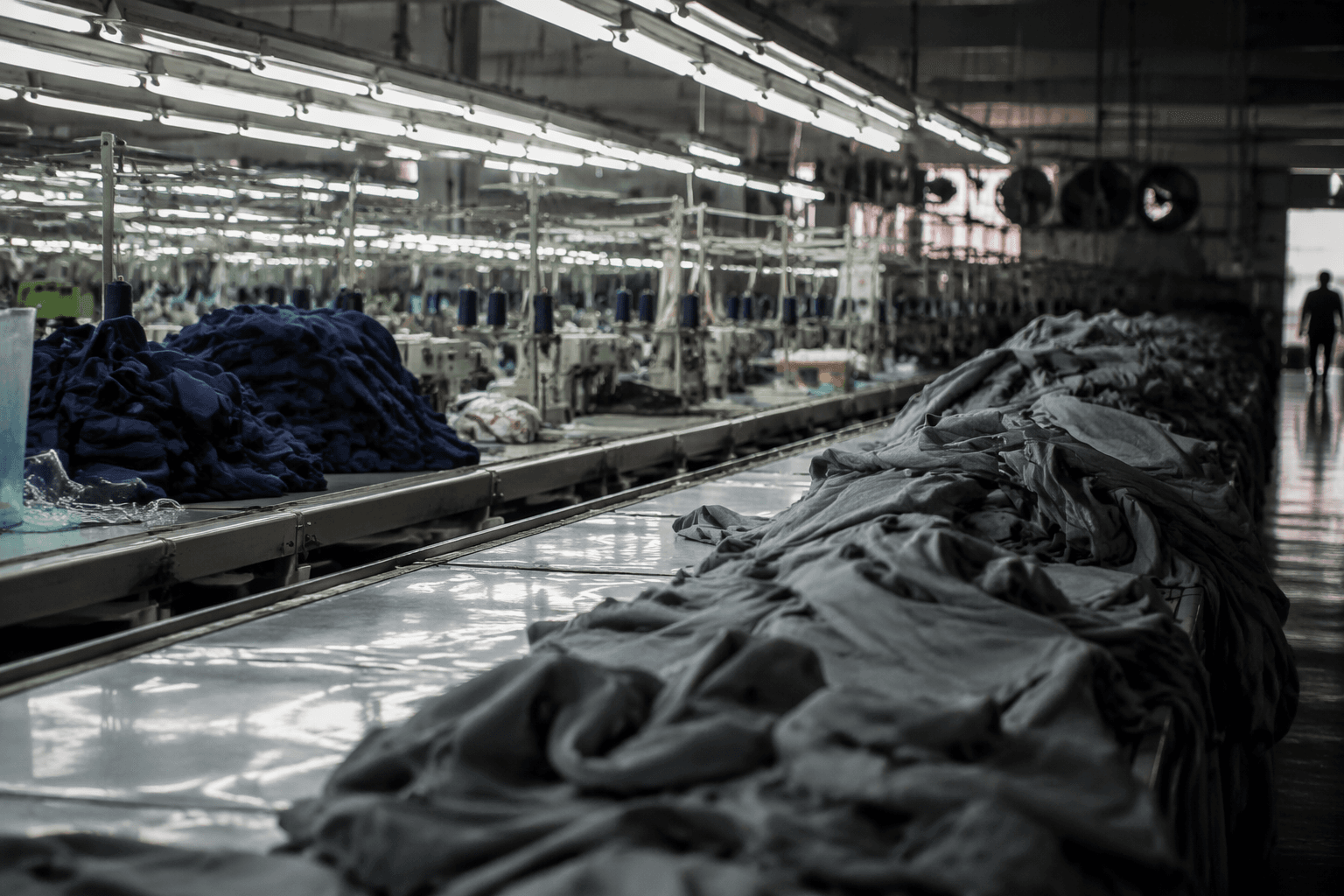
Washington’s new forced-labour tariffs of 10% to 12.5% hit 60 trading partners, and Vietnam landed in the 12.5% bracket. For apparel buyers, that is the kind of number that changes a sourcing spreadsheet fast: the country that has been one of the industry’s most important overflow valves just became more expensive for the US market.
The tariffs took effect after a months-long investigation and public hearings, and US Trade Representative Jamieson Greer recommended the latest rates. The administration tied the action to allegations that countries had not effectively enforced bans on goods made with forced labour. Vietnam, still negotiating a trade deal with the United States under the Trump administration, faces the same 12.5% rate as China, a nasty twist for brands that had treated Vietnam as the safer, tariff-efficient alternative to mainland production.
That is the trade-winner, trade-loser split starting to harden. Any supplier country left at 10% now has a clearer shot at winning orders from buyers trying to shave duty costs, especially on basics where margins are already thin and price pressure is brutal. Vietnam, by contrast, is carrying a heavier cost burden into the American market, which could push sourcing decisions toward lower-duty Asian competitors and make some US import programs look suddenly overbuilt in Ho Chi Minh City and Hanoi.
The long arc here matters too. A 2003 Congressional Research Service report on the Vietnam-U.S. Textile Agreement noted that the United States granted Vietnam most-favored-nation status in December 2001 under the bilateral trade agreement. After that, US imports from Vietnam more than doubled, and clothing imports rose sharply to almost $9 billion at the time of that report. Vietnam’s climb was built on access, scale and reliability. Tariff pressure now turns that advantage into a question mark.
Industry analysts have been warning about this for years. A 2023 Hinrich Foundation study focused on how US anti-forced-labour laws could hit Vietnam’s textile industry, and RMIT Vietnam later described US tariff pressure as a drag on the country’s textile, clothing and footwear sector. In July 2025, Vietnam said it would introduce measures to cope with US tariffs, and in July 2026 the Vietnamese foreign ministry said the 12.5% rate did not reflect Vietnam’s efforts to prevent forced labour.
For brands, the next buying cycle is going to be less about chasing the cheapest FOB quote and more about proving the cotton trail, checking mill and fabric origin, and stress-testing duty exposure line by line. Vietnam-heavy sourcing programs now face a harder question: whether the savings on speed and factory familiarity still outweigh a 12.5% US tariff that can erase the margin on an entire seasonal run.
This article was produced by Prism’s automated news system from verified source data, official records, and press releases, then run through automated quality and moderation checks before publishing. The system is built and supervised by the people who set the standards it runs under. Read our full AI policy.
Did this article answer your question?