Sweden moves to ban PFAS in clothing, pressuring fashion brands
Sweden set 2028 as the start of its PFAS ban in clothing, shoes and kitchenware, forcing brands to speed up waterproofing reformulations.
Sweden said in July it would ban PFAS in consumer products such as clothing, shoes, cosmetics and kitchenware from 2028, putting fashion brands on a two-year clock to strip forever chemicals out of product lines. Environment and Climate Minister Romina Pourmokhtari said PFAS “have no place in clothing, cosmetics, cookware and other everyday products when effective alternatives exist.”
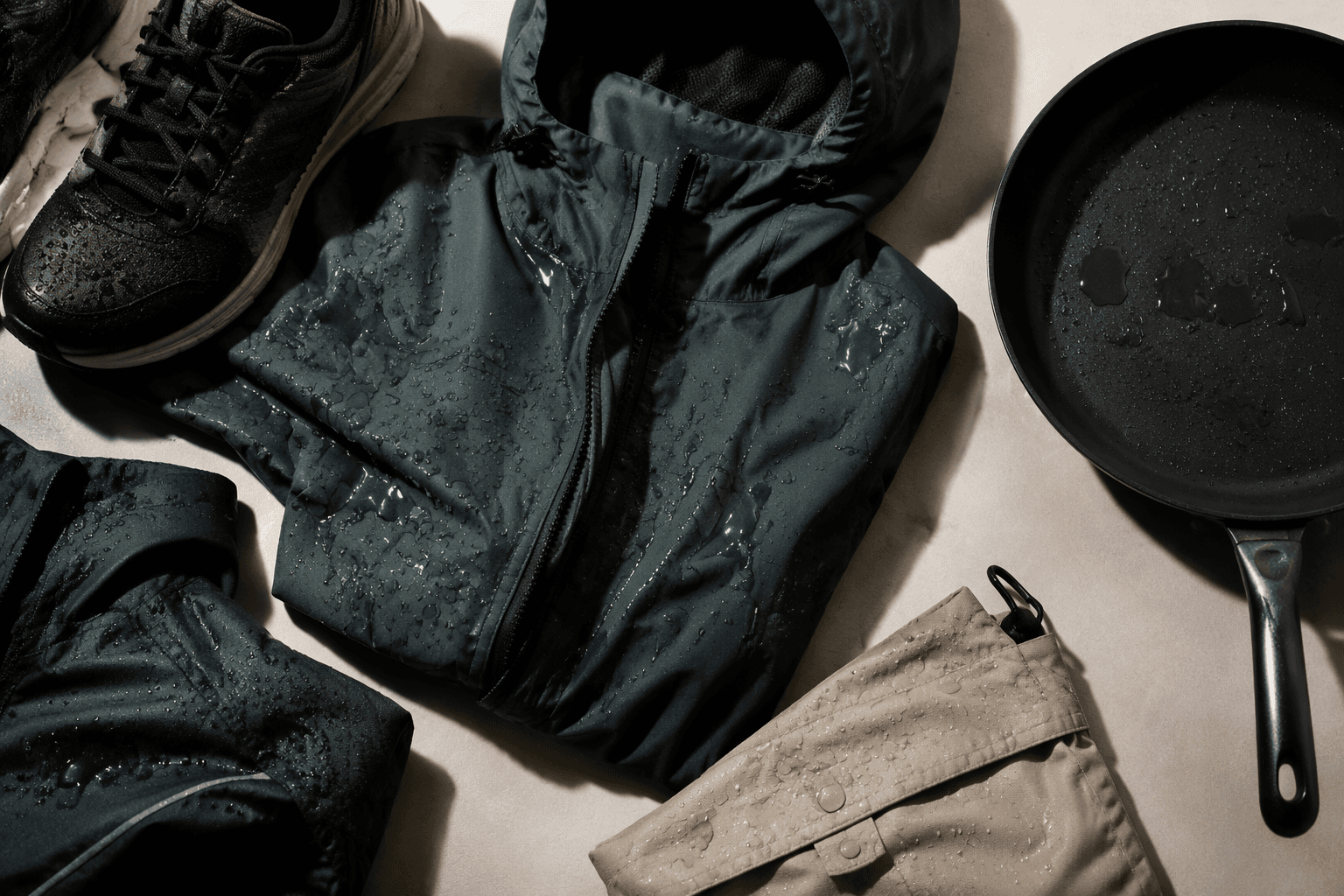
The move lands hardest in outerwear, footwear and performance fabrics, where PFAS have long delivered the slick, beaded rainproof finish shoppers expect from shells, trainers and technical layers. That means immediate pressure on durable water repellent treatments, stain-resistant coatings and the mills that apply them, alongside the brands that have built whole categories around weatherproof performance.
Sweden framed the proposal as unilateral because it could not wait for a broader European Union restriction, which remains unresolved. That matters for brands and importers because Sweden is not just regulating domestic manufacturing; it is preparing to police consumer goods entering the market, and the government has already warned that many imported products could still slip through. For retailers, that turns PFAS compliance into a traceability problem as much as a chemistry problem.
The practical deadline is what gives the policy its force. Products are intended to come into force from 2028, which leaves industry roughly a two-year transition window from the announcement to reformulate, retest and rework sourcing. For fashion, the hardest work will fall on categories that depend on invisible chemical performance, where a clean handfeel and a water-shedding finish have often come from the same family of compounds now under scrutiny.
The pressure is not unique to Sweden. Industry guidance in 2025 described PFAS regulation in textiles as a growing global compliance issue and pointed to safer substitutes already in use, while the European Environment Agency has published analysis on PFAS in textiles in Europe’s circular economy. Together, those signals leave brands with less room to wait for Brussels: the cleaner move is to start exiting PFAS market by market, rather than betting on EU-wide clarity that may arrive too late for the next production cycle.
This article was produced by Prism’s automated news system from verified source data, official records, and press releases, then run through automated quality and moderation checks before publishing. The system is built and supervised by the people who set the standards it runs under. Read our full AI policy.
Did this article answer your question?