EPA agenda puts textile chemical suppliers under tighter scrutiny
EPA’s Spring 2025 agenda reopened TSCA rulemakings, forcing fashion brands to document dyes, finishes and coatings before supplier gaps become compliance failures.
The U.S. Environmental Protection Agency’s Spring 2025 Unified Agenda put upstream textile chemical suppliers under sharper TSCA scrutiny, with the Federal Register entry dated Sept. 22, 2025. The agenda flagged chemical risk management rules, PFAS reporting and procedures for existing chemical risk evaluations, a mix that reaches far beyond the mill floor and into the hidden chemistry behind dyes, finishes and coatings.
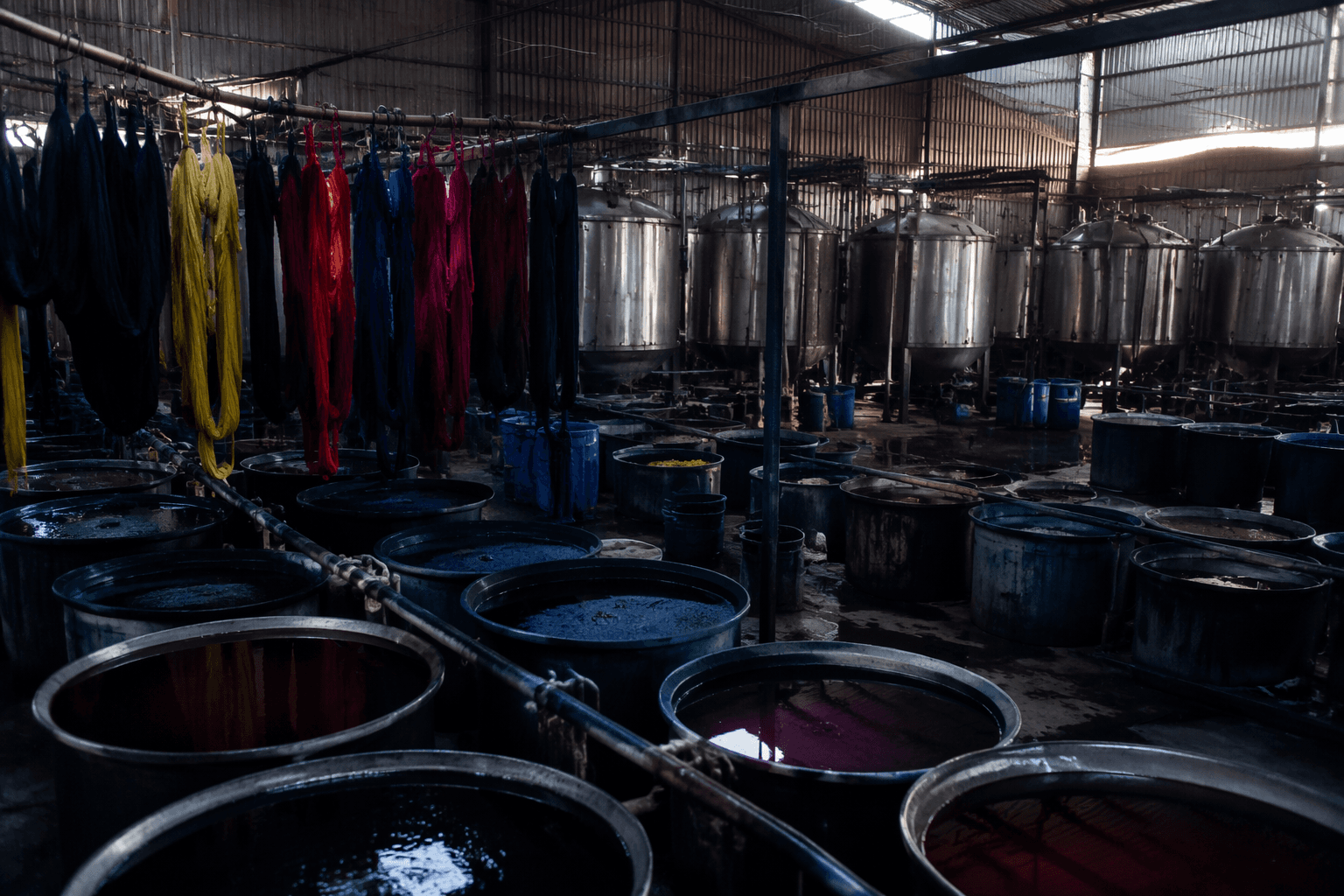
That matters because the least prepared links in fashion’s compliance chain are often the suppliers furthest from the brand, the formulators and traders who blend, resell or specify chemicals without giving fashion buyers a clean paper trail. Ecotextile News described the agenda as a sign of fresh TSCA scrutiny of upstream chemical suppliers, with potential knock-on effects for textile finishes and disclosure. For brands, the first gaps are likely to surface in product-level records and supplier-level documentation: what exactly is in a water-repellent finish, which inputs touch a print paste, and whether a chemical made for one factory can be traced when it shows up in another.
EPA had already signaled how much it wants documented proof. On May 13, 2025, the agency issued an interim final rule extending deadlines for PFAS reporting under TSCA section 8(a)(7), and the agency also maintains public resources on PFAS reporting and recordkeeping for that section. Then, in late September 2025, EPA proposed changes to the TSCA risk evaluation framework, while separate legal analysis said the agency was expected to narrow or revise PFAS reporting obligations. Taken together, those moves put more pressure on sourcing teams to know which suppliers can actually deliver chemical composition records, not just broad assurances.
The wider fashion industry is already living with that standard of proof. Fashion Revolution’s 2025 What Fuels Fashion? report ranks 200 billion-dollar brands on disclosure of climate- and energy-related policies, practices and impacts across operations and supply chains. Chemical compliance now sits inside that same transparency expectation, especially as apparel supply chains confront other deadlines, including an EPA rule affecting PIP (3:1) chemical in fashion supply chains with an Oct. 31, 2026 compliance date.
For sourcing teams, the next conversations need to be precise: ask suppliers to identify every dye, finish and coating in the chain, confirm what PFAS data they can produce, and check whether their records can withstand a TSCA review. In fashion, the sharpest edge is no longer the hand-feel of the fabric, but the certainty of the file behind it.
This article was produced by Prism’s automated news system from verified source data, official records, and press releases, then run through automated quality and moderation checks before publishing. The system is built and supervised by the people who set the standards it runs under. Read our full AI policy.
Did this article answer your question?