Cradle to Cradle updates apparel rules for true circular design
Cradle to Cradle's new apparel supplement forces brands to pick a recycling pathway upfront, then design trims, chemistry, and take-back around it.
Cradle to Cradle Products Innovation Institute finalized a dedicated apparel and textiles supplement on May 27, 2025. Clothing no longer has to squeeze through a generic product standard. Instead, product developers have to decide at the start whether a garment belongs in a technical loop, a biological loop, or another defined cycling pathway, then build the item so that route is actually workable.
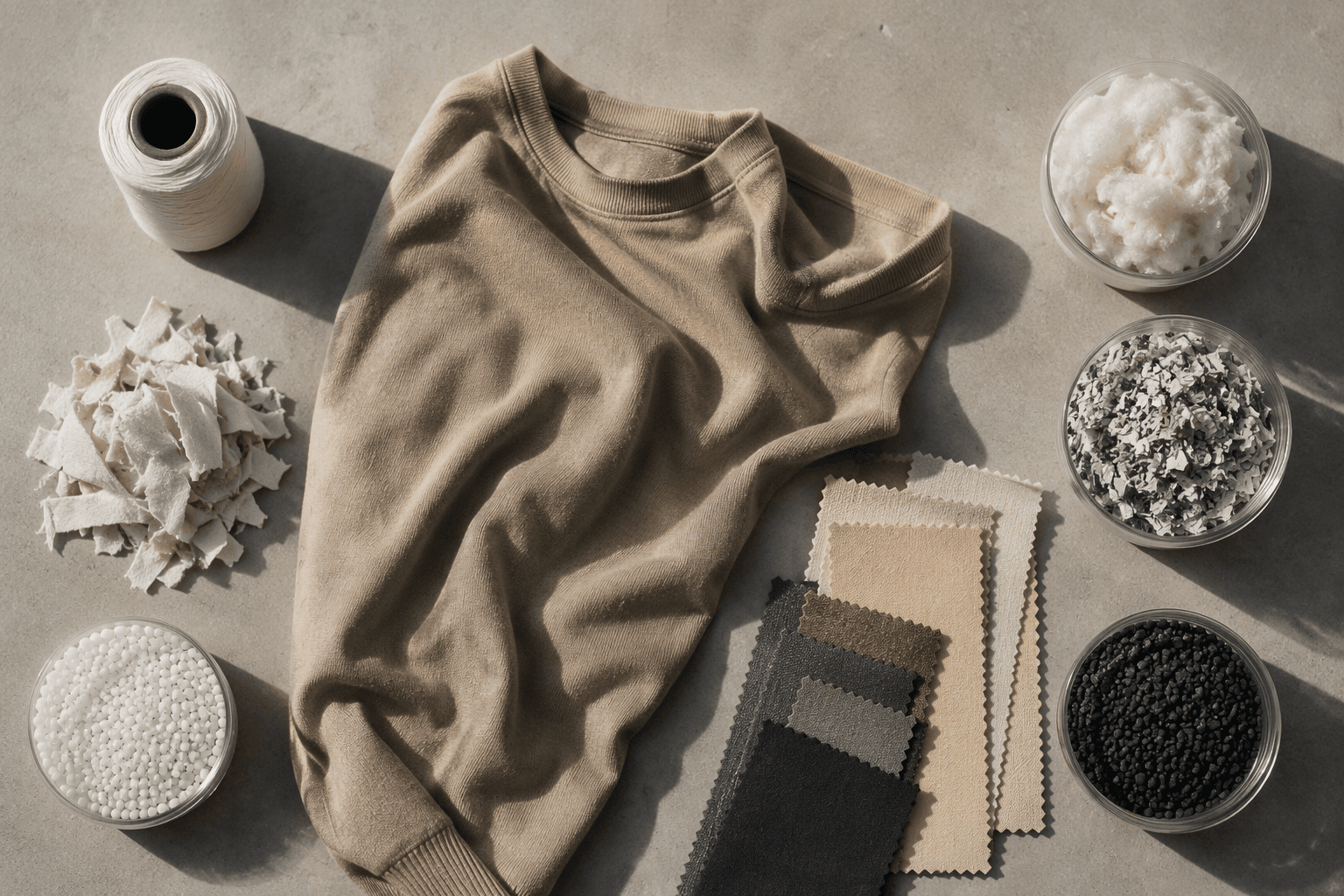
In Cradle to Cradle’s circularity logic, recycling is not a vague end-of-life hope, it is a designated pathway for products intended to be circular. For a core tee, trouser, or jacket, that means the team has to think through fiber choice, trims, labels, coatings, and construction before the first sample is signed off. A mono-material shell is easier to recover than a clever blend. Detachable hardware is easier to separate than decorative clutter glued into place. Chemistry review also becomes part of the front-end conversation, because the standard sits inside a broader framework that includes material health, material reutilization, water stewardship, renewable energy and carbon management, and social fairness.
Version 4.1 became effective on July 1, 2024, with guidance documents and communication tools already in circulation before the apparel supplement was finalized. The newest product certification is built to help companies of all sizes intentionally develop products that are safe, circular, and responsible. Less than 1% of current textile production is circular, per Cradle to Cradle.
On June 3, 2025, Cradle to Cradle Certified and OEKO-TEX announced a partnership for product circularity. A few weeks earlier, LYCRA’s fiber earned a Cradle to Cradle Certified Material Health Gold certificate under Version 4.0 on April 12, 2025. Wolford aims for full Cradle to Cradle compliance by 2027 with biodegradable and recyclable luxury textiles, while Circular Clothing says more than 1,000 new certified textile products from co-operative members have been sold since the first certified collection launched in 2022.
For fashion teams, specify the intended cycling route, clean up the chemistry, simplify the construction, and set end-of-use logistics before the product ever hits a buyer line sheet.
This article was produced by Prism’s automated news system from verified source data, official records, and press releases, then run through automated quality and moderation checks before publishing. The system is built and supervised by the people who set the standards it runs under. Read our full AI policy.
Did this article answer your question?