Brixton's Traid Store Launches UK's First Donation Code to Fight Fast Fashion
Only 30% of donated UK clothes actually get resold here. Traid's Donation Code, backed by stylist Sabrina Grant, is the fix the charity sector badly needed.

Every time you bag up old clothes for the charity shop, there's roughly a one-in-four chance they end up in landfill anyway. That figure, tracked across UK textile collection flows, is the uncomfortable number sitting behind Traid's new Closet Clear-Out Donation Code, the UK's first public standard for responsible clothing donations, which launched across the charity's 12 London stores on April 2, with Brixton as its opening salvo.
RTS Award-winning presenter and sustainable stylist Sabrina Grant backed the campaign at the Brixton launch. Grant, a self-described conscious consumer whose wardrobe runs almost entirely on vintage and charity shop finds, spent years dressing Taylor Swift and Sam Smith before taking her sustainable fashion credentials to Channel 4's Supershoppers, BBC Two's Saved and Remade, and E4's Second Hand Showdown. She visits Traid's Brixton and Clapham stores regularly, which makes her the obvious person to be standing in one making this argument: that donating without thinking is not the same as donating well.
The Code is a five-question checklist, and its value is in how unambiguous it is. Before anything goes in a bag, run it through this: Is it clean, fresh, and ready to wear with no stains, holes, or heavy wear? Does it still have real life in it? Would you gift it to a friend? Would you actually buy it second-hand? And is it durable enough to survive another round of regular use? If the answer to any of those is no, Traid doesn't want it on the rail. Traid CEO Maria Chenoweth framed the stakes plainly: "Today's fashion system produces clothing that often isn't built to last. The most powerful thing you can do is donate pieces someone else can wear and love for years to come."
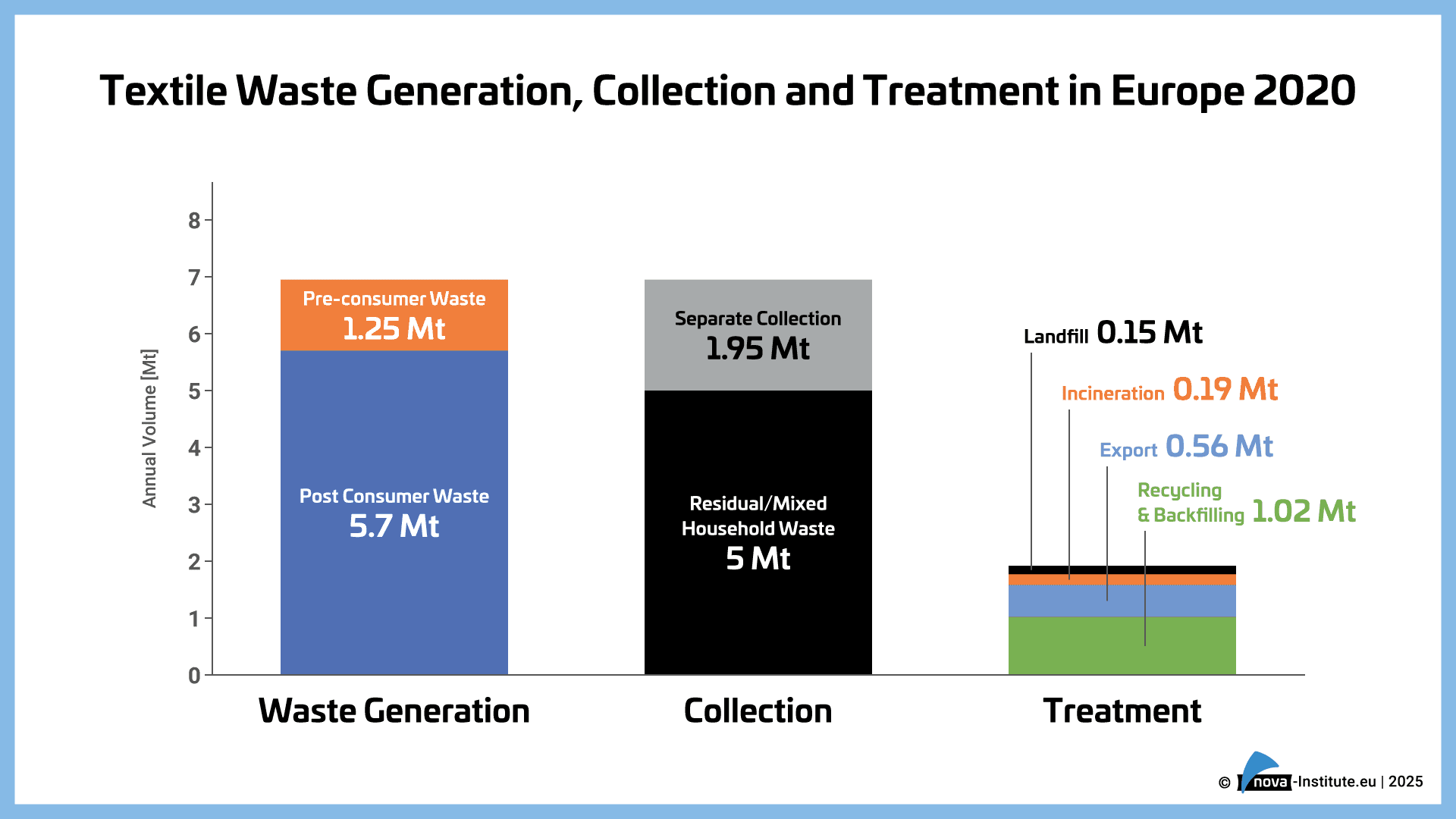
The urgency behind that checklist is structural. Of the roughly 650,000 tonnes of clothing collected annually by UK charities and textile banks, only about 30 percent is sold within the country. Fast fashion has made the sorting problem worse by flooding the donation stream with poorly constructed pieces that degrade after a few washes and carry almost no resale value, dragging down the economics of the entire model. Better incoming quality directly translates to more revenue for Traid's global projects supporting garment workers and organic cotton farmers.
This is Traid's third Closet Clear-Out campaign and the one that won Best Marketing Campaign for brands over £1M at the Drapers Marketing Awards in 2025. The 2026 version runs four weeks through April across all 12 stores: Dalston, Camden, Peckham, Brixton, Clapham, Walthamstow, Kilburn, Hammersmith, Shepherd's Bush, Greenwich, Tooting, and Wood Green. Book a free home collection during April, sign up to Traid's mailing list at the time of booking, and you're entered into a prize draw for £100, £50, or £25 vouchers.
For clothes that don't pass the Code, the routing matters. Items with minor damage are worth taking to a local repair cafe before they hit the donation pile. Freecycle and Freegle move wearables directly to local takers at no cost. Pieces too degraded for any reuse can go into Traid's 700-plus London clothing banks, available 24 hours, where they're sorted for recycling into industrial materials rather than going straight to bin. Outside London, any Collect+ outlet accepts postal donations directly to Traid.
Celebrity donors this season, including Martin Freeman, Sharon Horgan, Patrick Grant, and Lucy Siegle, will have their curated pieces dropping in-store as a shop-the-drop edit later in the summer. The point is to show what a well-considered donation actually looks like. After more than two decades as the only UK charity generating all its income through second-hand clothing sales, Traid knows exactly what the difference between a good donation and a burdensome one looks like at the warehouse level. Now it's putting that knowledge on a checklist and asking the rest of us to use it.
This article was produced by Prism’s automated news system from verified source data, official records, and press releases, then run through automated quality and moderation checks before publishing. The system is built and supervised by the people who set the standards it runs under. Read our full AI policy.
Did this article answer your question?