ThredUp’s 2026 Resale Report: Secondhand to Hit $393B by 2030
Secondhand apparel is now 10% of global fashion spend, and supply, not demand, is the only thing holding back a $393B market.

The number that should worry every retail executive is not the headline forecast. It is the quiet majority: 59 percent of U.S. consumers shopped secondhand in 2025, up seven points in three years. Resale is no longer a sustainability virtue signal. It is how most Americans actually buy clothes.
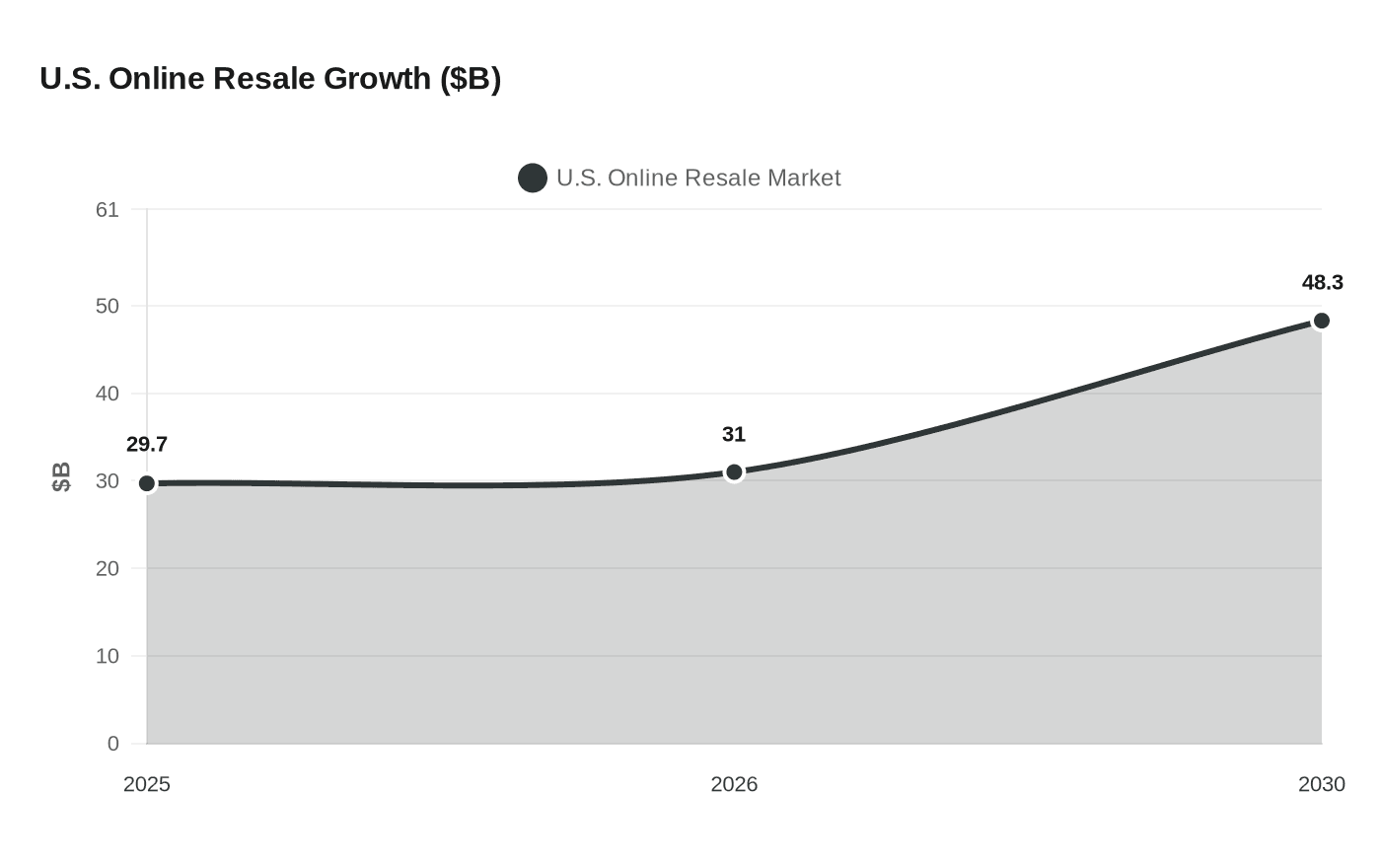
ThredUp's 14th annual Resale Report, released April 2 and based on GlobalData research covering 3,268 U.S. adults and 50 top fashion brands, put hard numbers to that shift. The global secondhand apparel market is projected to reach $393 billion by 2030, representing roughly 10 percent of total apparel spend, growing at a 9 percent compound annual rate and twice the pace of the broader market. In the U.S., resale grew nearly four times faster than traditional retail in 2025 and is forecast to reach $78.8 billion by 2030. Online resale alone is expected to nearly double, from $29.7 billion in 2025 to $48.3 billion by 2030.
"Resale is no longer just growing, it's taking direct market share," said James Reinhart, ThredUp cofounder and CEO. "We're moving from a linear apparel economy toward a resale flywheel, where consumers increasingly buy with future value in mind."
Three counterintuitive findings shape what that flywheel actually looks like in practice. The first: supply, not demand, is the primary constraint on growth. With $23.3 billion in incremental U.S. market value on the table, the focus must shift to making the act of selling just as easy as clicking "buy." Even among consumers who initially said nothing would motivate them to resell their clothing, a third changed their answer when presented with a simpler, more automated listing process.
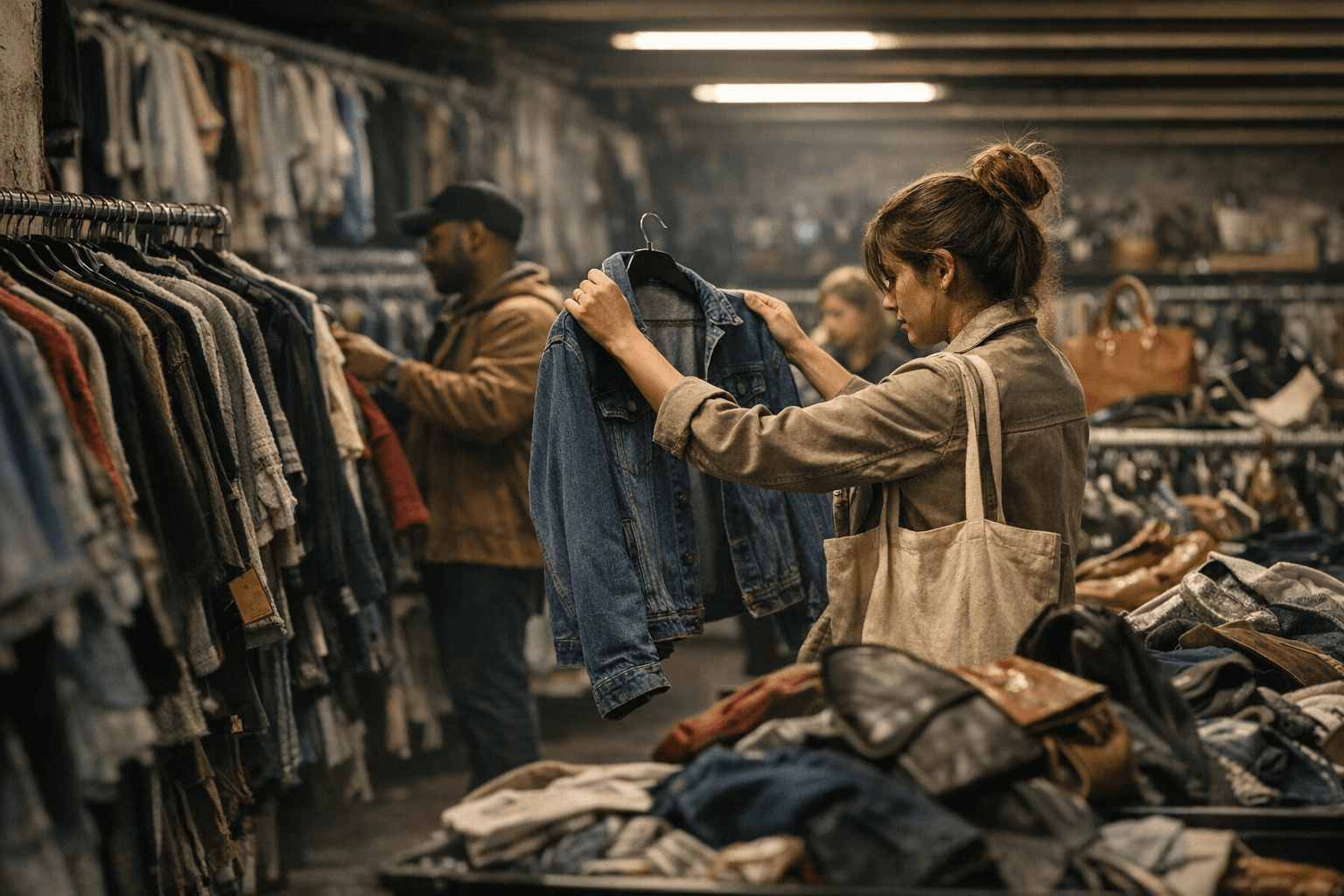
The second is who is driving growth and what they actually want. Gen Z and Millennials are projected to account for 71 percent of all market growth through 2030, but what is striking is not their volume: 60 percent of Gen Z and millennial shoppers say that integrated resale features directly increase their trust in a brand. For labels still treating resale as a peripheral sustainability program, that figure reframes the conversation entirely. Resale participation has become a loyalty mechanism.
The third is AI's role in trust, not just discovery. Eighty-one percent of respondents who use AI say it has improved their resale shopping experience. More telling: 39 percent say AI would bolster their trust in the authenticity of products from peer-to-peer resale platforms, a signal that the counterfeit anxiety historically strangling luxury resale could be technically dissolved within the next few years.
For shoppers, the practical implications over the next 12 to 24 months are concrete. Prices for high-quality, in-demand secondhand pieces will rise as competition for supply intensifies, making timing matter in ways it never did before. Using AI image search tools, already live on platforms like ThredUp, collapses the gap between inspiration and acquisition. Buying with resale value in mind, prioritizing brands with strong secondary market demand and durable construction, converts wardrobe building into something closer to capital allocation.
For brands, the strategic window is narrowing. Designing for repairability extends a garment's resale longevity and, by extension, revenue per item. Maintaining granular SKU data reduces friction in any authentication or takeback program. Pricing new product with visibility into secondary market floors, rather than ignoring the channel entirely, is the difference between owning the resale conversation and ceding it to platform intermediaries.
With U.S. online resale projected to hit $31 billion in 2026 alone, the brands still debating whether to engage have already begun losing ground.
This article was produced by Prism’s automated news system from verified source data, official records, and press releases, then run through automated quality and moderation checks before publishing. The system is built and supervised by the people who set the standards it runs under. Read our full AI policy.
Did this article answer your question?