Charlotte to host North America’s first textile recycling expo
Charlotte’s free textile recycling expo will draw 95-plus exhibitors and 50-plus speakers, testing whether fiber-to-fiber recycling is finally moving into industrial reality.
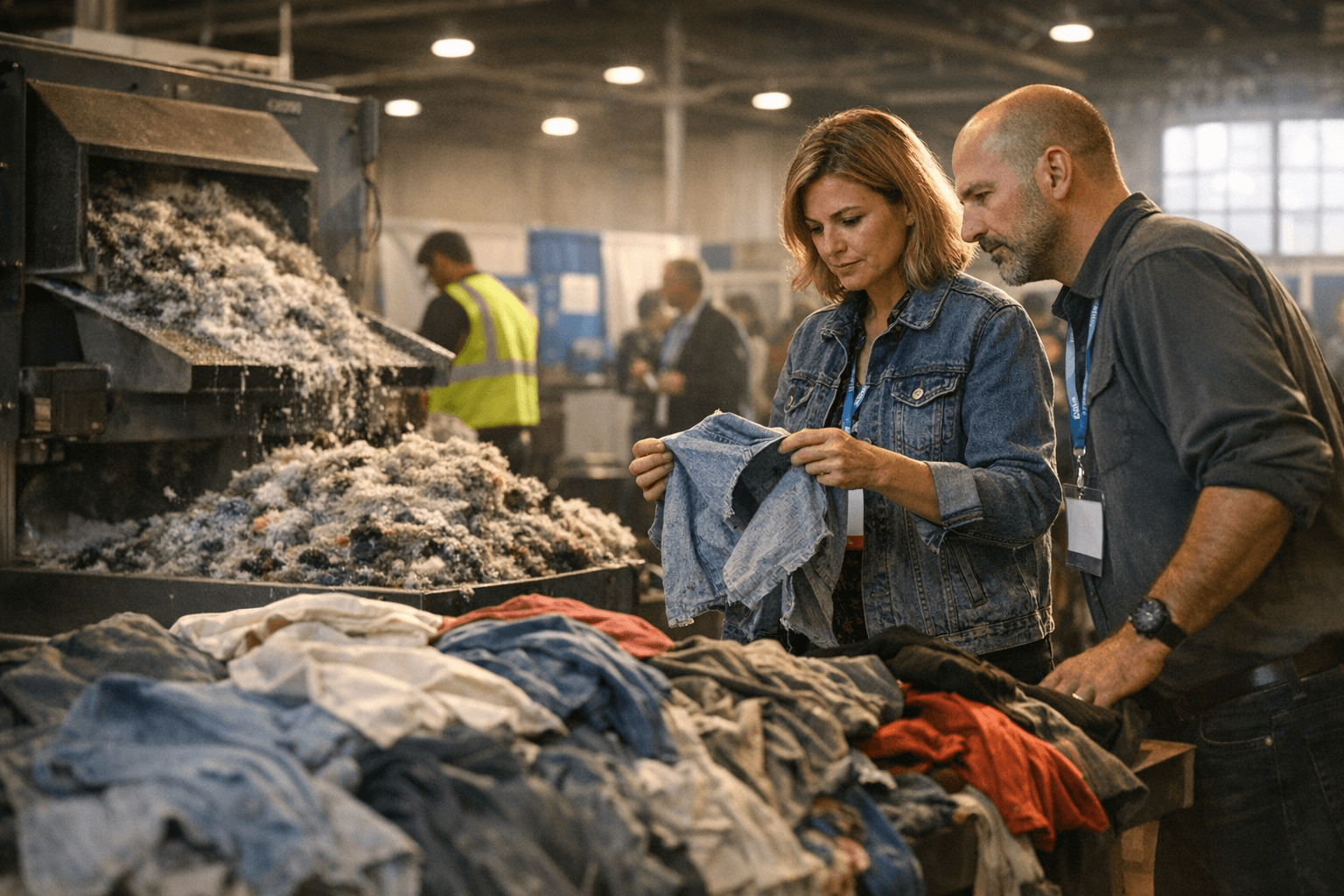
Charlotte is about to become the North American test case for textile recycling at scale. When Textiles Recycling Expo USA opens at the Charlotte Convention Center on April 29 and 30, more than 95 exhibitors and 50-plus speakers will crowd around one big question: can the fashion industry turn discarded clothes into usable fiber fast enough to matter?
The answer will not come from sentiment, but from infrastructure. AMI is positioning the event as North America’s first dedicated exhibition and conference focused exclusively on textile recycling, with a program built around fiber-to-fiber recycling, advanced sorting systems, circular design, and policy development. The expo is free to attend, a practical detail that matters because the audience it needs is wide: brands, recyclers, manufacturers, policymakers, innovators, and the vendors that sit between them. Accelerating Circularity is the structural partner, Goodwill Industries International is sponsoring the open conference theater, and the first confirmed speakers include Jessica Franken of SMART, David Eagles of Goodwill Industries International, Diane Woods of ReJu, Eileen Mockus of Accelerating Circularity, Adam Gardiner of Textile Exchange, Camille Tagle of FABSCRAP, Kelly Drennan of Fashion Takes Action, Morgan Ginn of The Footwear Collective, Rachel Kibbe of American Circular Textiles, Steve Bethell of Bank & Vogue, Jimmy Summers of Elevate Textiles, Olivia Poole of AMI, and Stuart Ahlum of SuperCircle.
The expo arrives with a useful precedent. The first Textiles Recycling Expo in Brussels, held June 4 and 5, 2025, drew 126 exhibitors and 3,336 visitors from 67 countries, proof that the category can pull a real crowd when the supply chain is ready to talk business. Charlotte may be the sharper test. North Carolina still has the country’s second-largest textiles workforce, more than 640 textile and textile-product mills, and a manufacturing base broad enough to make this more than a conference-center meeting. The National Science Foundation’s Textile Innovation Engine stretches across North Carolina, South Carolina, Tennessee, and Virginia, where it says there are more than 27,000 textile workers and about 30,000 more in adjacent industries.
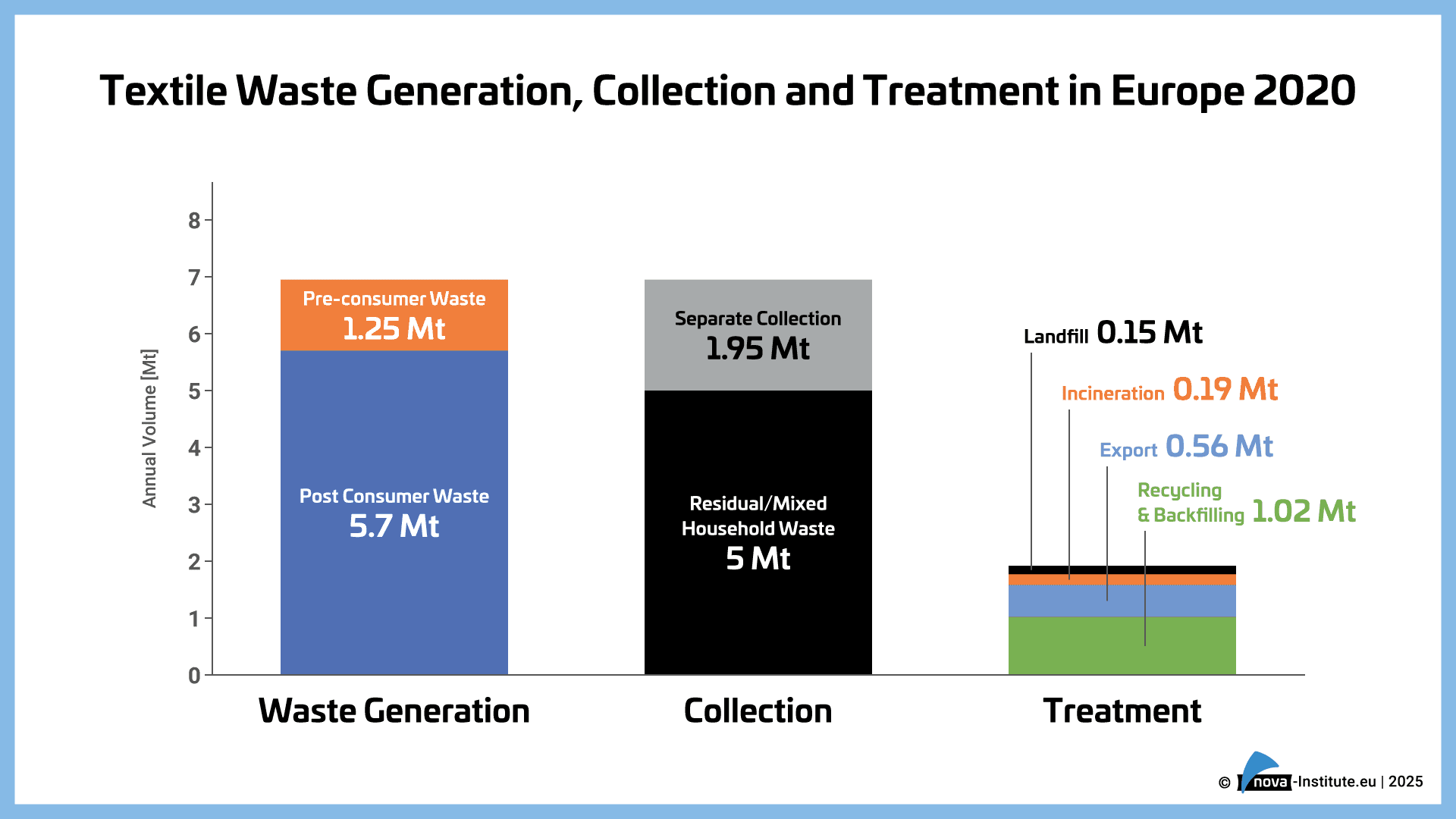
That regional heft matters because the waste problem is already enormous. The U.S. Government Accountability Office says textile waste has risen over the past 20 years, driven in part by fast fashion, and EPA data cited in congressional materials point to an increase of more than 50 percent between 2000 and 2018. Those same materials say the U.S. generated 17 million tons of textiles in 2018, with 11.3 million tons landfilled. Against that backdrop, the National Stewardship Action Council and the Stewardship Action Foundation, which have launched the first National Textile Circularity Working Group, are treating textiles as, in their words, "one of the fastest-growing waste streams in the country."
That is why Charlotte matters. If this expo produces feedstock contracts, sorting partnerships, and policy alignment, it could mark a real supply-chain turning point for textile recycling in North America. If it does not, it will still have captured the industry at an unusually honest moment, when the conversation has moved past feel-good reuse and into the hard mechanics of turning worn fabric back into fiber.
This article was produced by Prism’s automated news system from verified source data, official records, and press releases, then run through automated quality and moderation checks before publishing. The system is built and supervised by the people who set the standards it runs under. Read our full AI policy.
Did this article answer your question?