Rana Plaza survivors demand worker power in safety accord talks
Thirteen years after Rana Plaza, survivors are still pushing for a seat at the table. More than 2,000 factories have been upgraded, but hundreds still carry unresolved hazards.
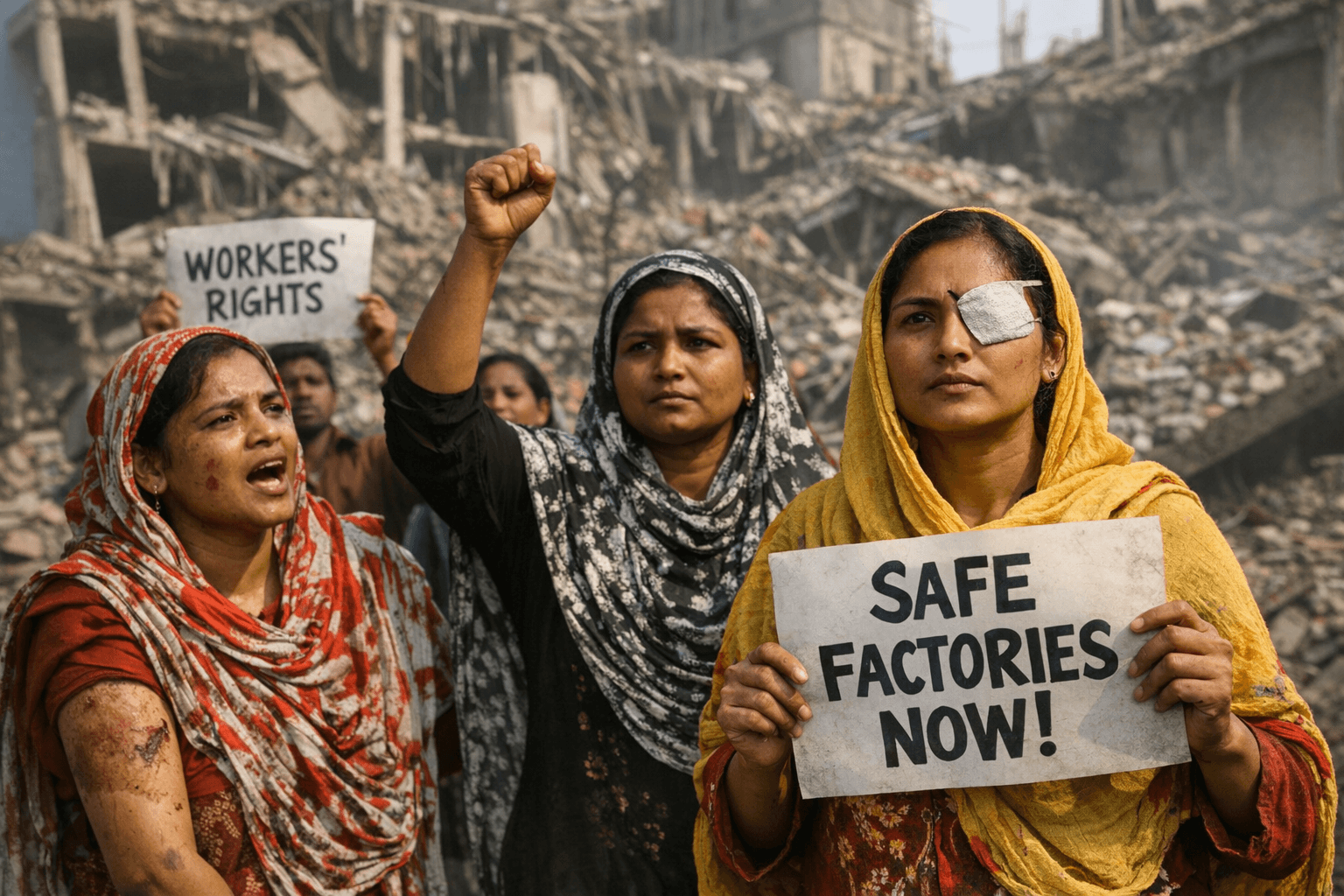
The Rana Plaza anniversary is not a memorial exercise anymore. It is a stress test for power: 13 years after the collapse in Savar, Bangladesh, that killed at least 1,138 people and injured thousands, survivors are pushing the International Accord to move past inspections and remediation and into something harder to stage and easier to avoid, real worker and survivor representation in the talks that shape safety enforcement.
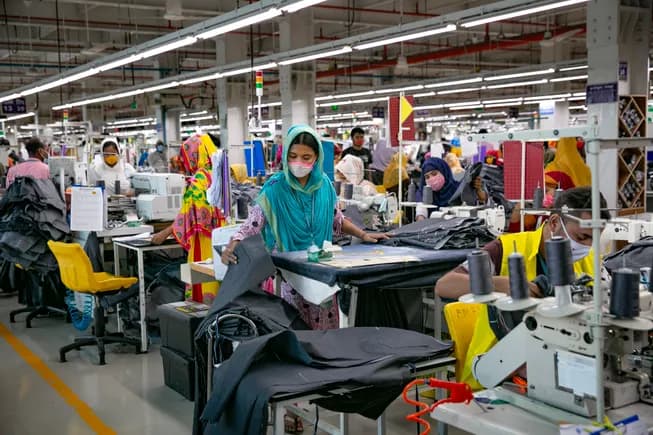
That matters because the Accord has real reach. Its Bangladesh programs say they have driven safety improvements at more than 2,000 garment and textile factories, and the Bangladesh Safety Agreement now binds 240-plus global brands and trade unions. But the same system still admits a brutal gap: hundreds of factories have not fully remediated identified hazards. That is the difference between a polished compliance narrative and actual worker power. One looks good in a press line. The other keeps a production floor from killing someone.
Rana Plaza was never supposed to become a permanent case study in industrial failure. The building housed five garment factories, and its collapse on April 24, 2013, forced a new governance architecture into existence. The International Labour Organization convened the Rana Plaza Arrangement process in September 2013, and the Rana Plaza Donors Trust Fund was established in January 2014 with a target of US$30 million for compensation. The fund became a landmark because it existed at all. It also became a warning about speed, transparency and control, the three things workers tend to lose first when brands start talking about responsibility.
Now the demands are sharper. Survivor groups in 2026 want transparency, long-term rehabilitation and direct involvement in fund management and compensation decisions. That is not a symbolic ask. Many injured workers still live with permanent disabilities, psychological trauma and unemployment, which means the harm did not end when the debris was cleared or the headlines moved on. For survivors, safety cannot stop at a checklist and compensation cannot stop at a one-time payout.
Clean Clothes Campaign has spent years arguing that the post-Rana Plaza promise only became real when brands were forced into binding agreements rather than left to voluntary pledges. Thirteen years on, that still looks like the central lesson. The unfinished story is not whether fashion knows how to inspect a factory. It is whether the people who survived Rana Plaza will finally be allowed to shape the rules that govern the next one.
This article was produced by Prism’s automated news system from verified source data, official records, and press releases, then run through automated quality and moderation checks before publishing. The system is built and supervised by the people who set the standards it runs under. Read our full AI policy.
Did this article answer your question?