Recover urges EU to prioritize textile-to-textile recycling in ESPR
Recover wants EU law to favor fibre-to-fibre recycling, after Brussels said unsold textiles destroy about 5.6 million tons of CO2 a year.
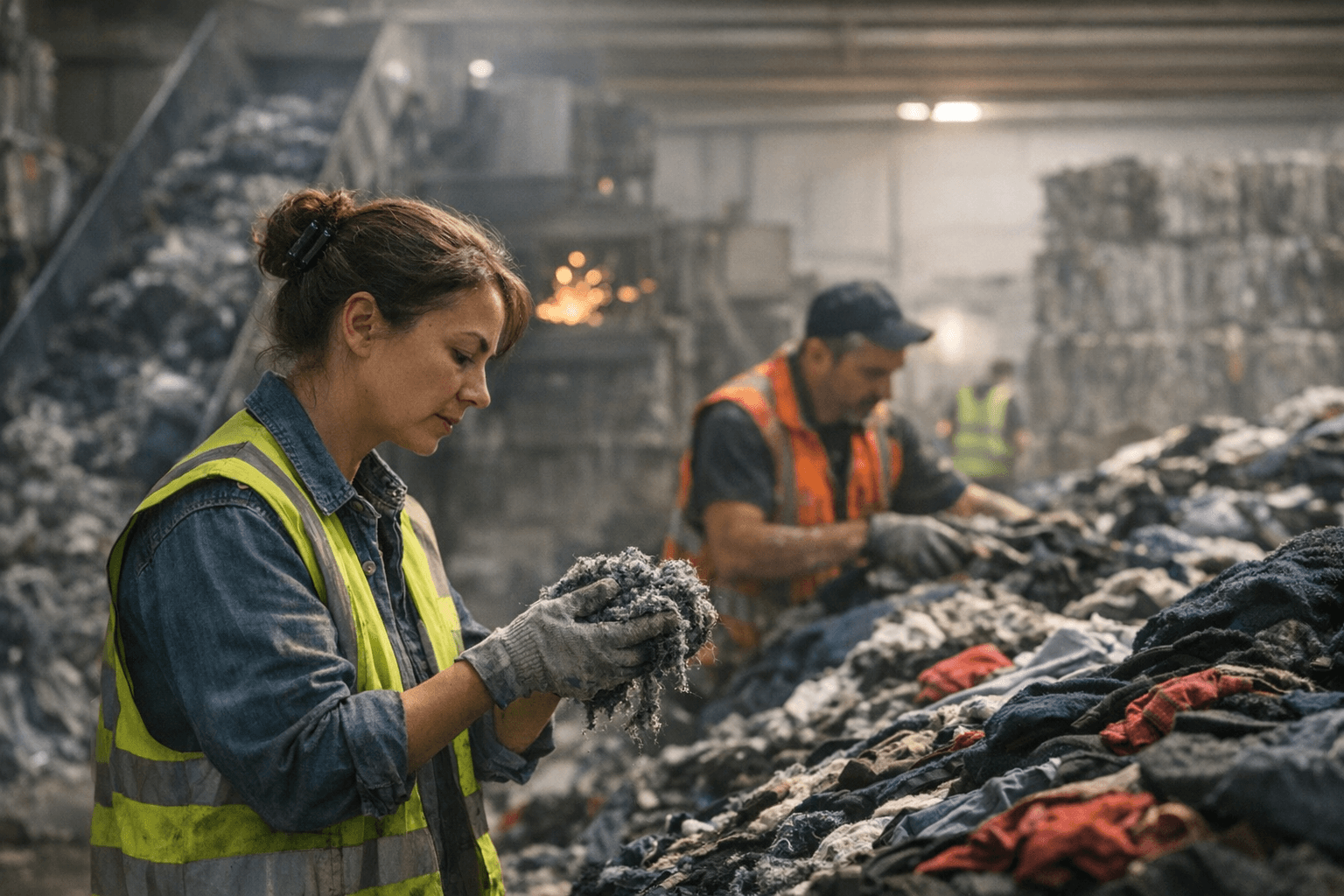
Recover has put the European Union’s textile rules on a sharper edge: should recycled-content law reward true textile-to-textile feedstock, or keep treating bottle-derived and industrial scrap inputs as interchangeable? The Spanish recycler urged lawmakers to make fibre-first rules central to the Ecodesign for Sustainable Products Regulation, arguing that the answer will determine whether Europe builds a real market for recycled textiles or settles for softer accounting that still leaves the sector starved of demand. Recover issued its position paper during the European Commission’s third milestone consultation on the European Commission Joint Research Centre’s preparatory study for textile ecodesign.
The company backed mandatory recycled-content performance and information requirements under ESPR, but it drew a firm line on what should count. Recover wants recycled cotton targets extended beyond denim into knitted and woven products, with thresholds set by product-specific technical feasibility rather than one blunt rule for every garment category. It also wants both post-industrial waste and post-consumer waste recognized as valid feedstock, a practical move that widens the pool of material without blurring the difference between textile loops and lower-value substitutes.
That distinction matters because it shapes the money trail. If lawmakers prioritize textile-to-textile inputs, brands, sorters, recyclers and spinners have a clearer demand signal to build around. Investors can back dedicated textile recycling infrastructure with more confidence, and brands have to source cleaner inputs if they want to make recycled-content claims that hold up. If Brussels instead keeps broader recycled-content accounting, recycled bottle flakes and industrial offcuts can keep competing for the same regulatory credit, which risks leaving post-consumer textile waste on the outside looking in. Recover’s proposal for portfolio-level or company-level targets would give brands more flexibility, but still push the market away from virgin fibres.
Digital Product Passports sit at the center of that argument. Recover says they should be used to verify recycled-content claims and trace post-consumer textile waste, with alignment to verification systems such as the Global Recycled Standard. In a sector where green claims can travel faster than actual material, that kind of proof is becoming the new tailoring detail: invisible, technical and decisive.
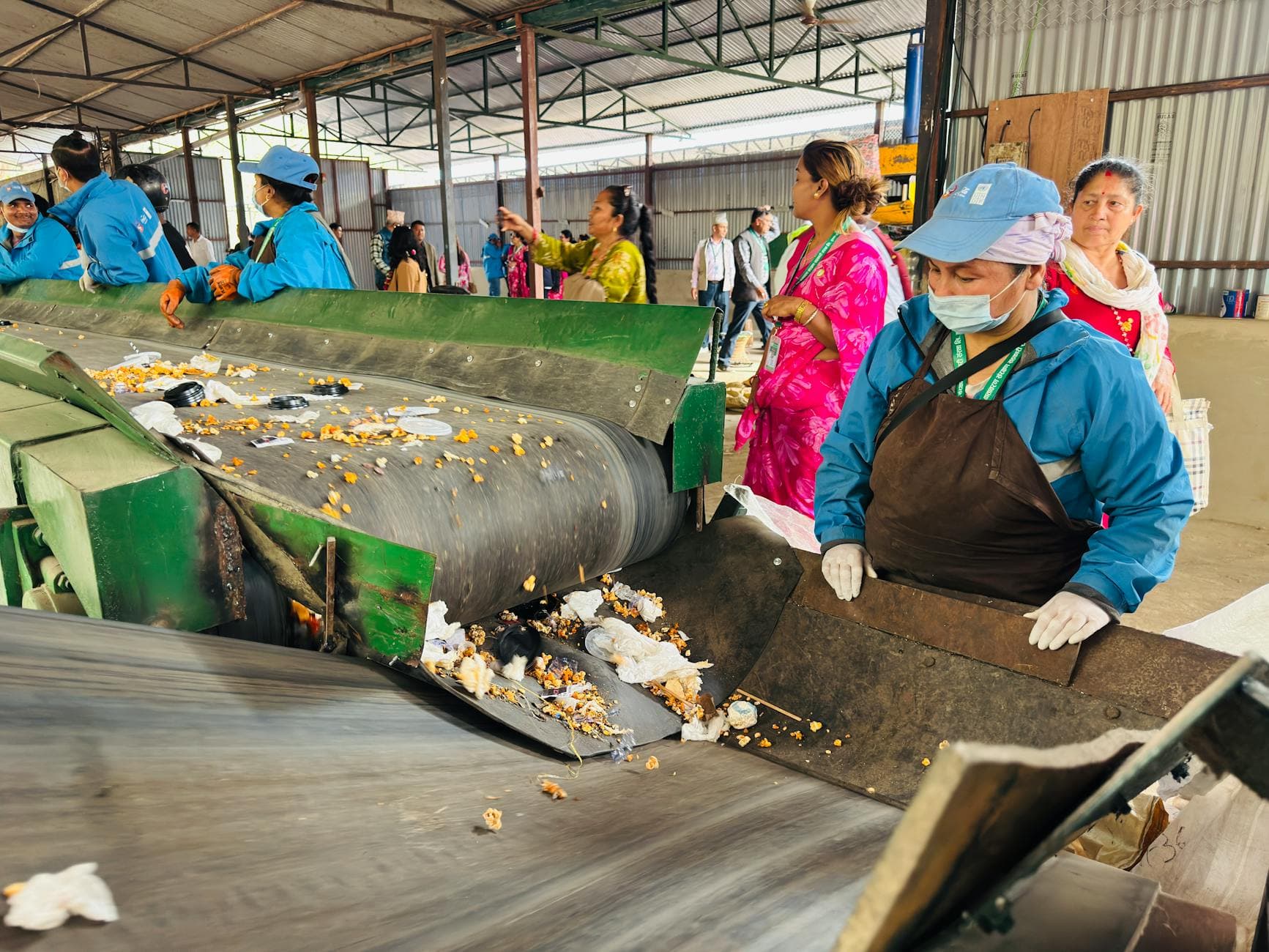
The stakes are high because the policy frame is already set. The European Commission adopted the Ecodesign for Sustainable Products Regulation on 13 June 2024, and the EU Textiles Strategy says that by 2030 textiles placed on the market should be durable, repairable, recyclable and largely made of recycled fibres. Brussels tightened the screws further on 9 February 2026, when it moved to stop the destruction of unsold apparel, clothing, accessories and footwear. The Commission says an estimated 4 to 9 percent of unsold textiles are destroyed each year in Europe, creating about 5.6 million tons of CO2. The ban will apply to large companies from 19 July 2026, with medium-sized firms following in 2030.
Recover’s lobbying push lands alongside a €10 million Horizon Europe call launched in April 2026 for textile collection, sorting-for-reuse and repair systems at city and regional level. Put together, the message is hard to miss: Europe is no longer debating whether textile circularity matters. It is debating which materials, which claims and which factories will get to define it.
This article was produced by Prism’s automated news system from verified source data, official records, and press releases, then run through automated quality and moderation checks before publishing. The system is built and supervised by the people who set the standards it runs under. Read our full AI policy.
Did this article answer your question?


