Circular fashion only helps when it truly replaces new clothing
Circular fashion only works when it kills a new purchase. Otherwise, rental, repair, and resale can become just another way to keep shopping.

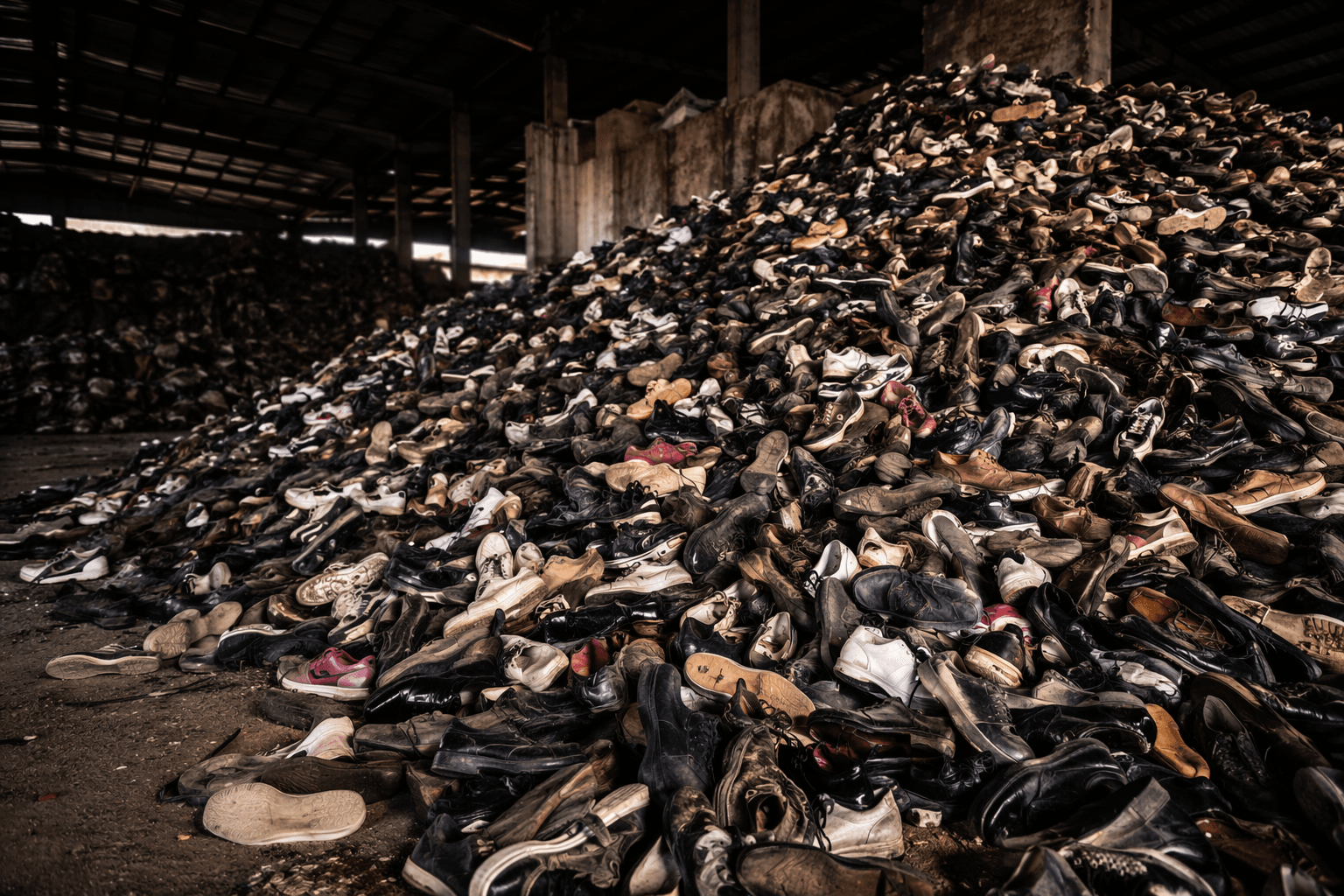
A garbage truck full of clothing is burned or landfilled every second, according to the United Nations Environment Programme.
The cleanest circular fashion story is about displacement: whether a rental, repair, resale, or upcycled piece actually replaces a brand-new garment that would have been produced anyway. If it does, the environmental math can improve fast. If it does not, you just add one more layer of consumption to an industry that already punches far above its weight.
The only question that matters: what did this item replace?
A borrowed dress that gets worn to three weddings instead of buying three separate occasion looks has a shot at real impact. A repaired coat that stays in rotation for another winter instead of being replaced is doing useful work. But a resale haul that sits beside a fresh shopping cart, or a rental membership used as a supplement to full-price buying, is not reducing demand so much as decorating it.
The number that matters is how often a circular model actually prevents new production.
Why the stakes are so high
Fashion accounts for about 10% of global carbon emissions, according to the United Nations Environment Programme.
The industry is already producing about 92 million tonnes of textile waste a year globally, and the problem is not only overproduction at the factory gate. It is the pace at which clothing is made to feel disposable, worn lightly, and replaced quickly.
What the circular playbook is supposed to do
The Ellen MacArthur Foundation’s 2017 report, *A New Textiles Economy: Redesigning Fashion’s Future*, calls for keeping clothing, textiles, and fibres at their highest value during use, then bringing them back into the economy instead of sending them straight into waste streams.
That idea shows up in the business models now attached to the word circular: rental, repair, resale, and remaking. Those models are meant to decouple revenue from production and resource use. The catch is that decoupling only happens if the secondhand or repaired item stands in for a new one, not if it simply becomes an extra purchase on top of the first one.
Where the gains are real, and where they evaporate
A Springer study on garment rental found that extending a dress’s number of uses can reduce its life-cycle impacts. More wears per garment usually means more value extracted from the resources already spent on fibres, dyeing, sewing, transport, and packaging.
But the benefit depends on behavior. If rental garments are used for occasional event dressing that replaces buying a piece that would otherwise be worn once, that is strong displacement. If the same renter keeps buying new clothes for daily wear and uses rental only as a novelty layer, the environmental case weakens fast.
Repair is similar. A mended jacket that avoids replacement can save the materials and emissions of a new purchase. Yet repair services can also become an add-on, especially when the repaired item is still treated as temporary and the shopper buys a fresh version anyway.
Europe is forcing the issue into policy
The European Commission proposed revised waste rules targeting textiles and food waste in July 2023, and the European Parliament puts the EU’s textile waste at 12.6 million tonnes every year.
Clothing and footwear account for 5.2 million tonnes of that total, or about 12 kg per person annually, and less than 1% of textiles worldwide are recycled into new products, according to the Parliament’s briefing. The revised Waste Framework Directive entered into force on 16 October 2025, adding common rules for textile extended producer responsibility and pushing brands toward systems that deal with post-consumer waste.
The fashion industry is trying to rewrite its own script
UNEP’s fashion work frames the sector’s future as a shift away from extraction, exploitation, and disposable consumption toward regeneration, equity, and care. It covers the whole system, from material sourcing to how long clothes stay desirable, wearable, and in circulation.
The UNFCCC Fashion Industry Charter for Climate Action has set a target of 30% aggregate greenhouse-gas reductions across scopes 1, 2, and 3 by 2030, with net-zero emissions by no later than 2050.
How to tell if a circular model is actually doing the job
- Does the rental, resale, repair, or upcycling service replace a likely new purchase?
- Is the customer buying less new clothing because of it, or just buying differently?
- Does the model keep garments in use long enough to increase the number of wears per item?
- Does it reduce the need for virgin fibres, fresh dyeing, finishing, and manufacturing?
- Can the brand show that growth in circular services is tied to lower new production, not higher total shopping?
This article was produced by Prism’s automated news system from verified source data, official records, and press releases, then run through automated quality and moderation checks before publishing. The system is built and supervised by the people who set the standards it runs under. Read our full AI policy.
Know something we missed? Have a correction or additional information?
Submit a Tip